
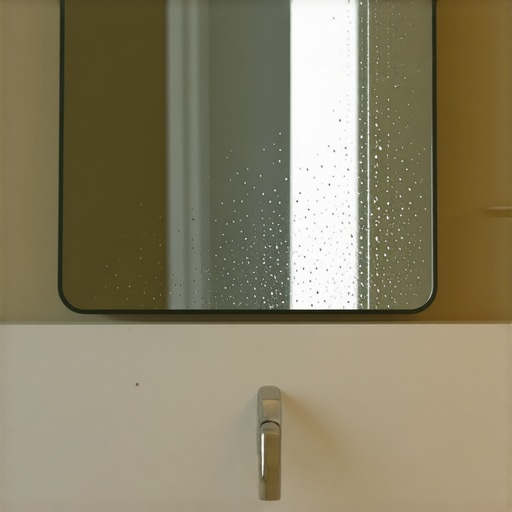
The invisible threat of bathroom humidity
Bathroom humidity originates from hot showers creating water vapor that seeks out the coldest surfaces in the room to reach its dew point. This condensation affects baseboards and tile grout by penetrating porous surfaces and causing structural rot or mold growth if ventilation is insufficient to clear the air. I spent three days grinding concrete on a job last month just so the floor wouldn’t click like a castanet because the previous guy ignored the moisture levels. It was a disaster. The homeowners thought a simple tile swap would fix their issues, but the slab was sweating more than a marathon runner in July. When you see that fog on your mirror, it is not just a nuisance. It is a biological and structural warning. That steam is a high energy state of water looking for a place to crash. It finds the cold floor and the base of your walls. If you have builder grade MDF baseboards, they act like a pack of thirsty sponges. They pull that moisture right off the floor and into the core of the wood fibers. Once those fibers swell, they never go back to their original shape. You end up with flared edges and peeling paint that no amount of caulk can hide. I have seen fifteen thousand dollar bathrooms ruined because someone saved fifty bucks on the wrong baseboard material. It is a tragedy of physics. If you want to avoid this, you need to understand the molecular reality of your bathroom. We are talking about vapor pressure and the way water moves through solids. You can learn more about baseboards makeover ideas to elevate your space but remember that material choice is the first line of defense.
The physics of condensation and capillary action
Capillary action occurs when liquid water travels through microscopic pores in cementitious grout or wood baseboards against the force of gravity. This hydrostatic pressure can lead to delamination of thin-set adhesives and the warping of subfloor materials like plywood or OSB in high humidity environments. Water is a polar molecule. It wants to stick to things. When it turns from steam into liquid on your cold tile floor, it does not just sit there. It looks for a way in. Your grout lines are the highway. Most people use standard sanded grout which is basically a hard sponge. If that grout is not sealed or if the seal has worn off, the water travels down into the thin-set. From there, it hits the subfloor. If you have a wood subfloor, the moisture starts to rot the wood from the bottom up. By the time you see the mold on the surface, the structural integrity of your floor is already compromised. This is why I always tell people to check their grout restoration secrets for long lasting results before the damage becomes permanent. It is not about looks. It is about keeping the water out of the bones of your house.
“A floor is only as good as the subfloor beneath it. Deflection is the enemy of every joint.” – Master Flooring Axiom
Why porous grout acts like a sponge
Porous grout absorbs residual moisture from steam and splash water which then feeds microbial colonies like black mold and mildew. This absorption can be measured by water displacement tests and is significantly reduced by using epoxy grout or high performance sealers that create a hydrophobic barrier on the surface. When we talk about the chemistry of grout, we are looking at a matrix of Portland cement and sand. Under a microscope, this looks like a canyon. Every time you take a hot shower, you are filling those canyons with water. If you do not have a high quality fan, that water stays there for hours. This creates the perfect breeding ground for spores. This is also why tile cleaning tips for a sparkling bathroom in 2025 emphasize the need for deep cleaning. You have to get the contaminants out of the pores before you can seal them. I have seen grout that was so saturated it felt like wet sand. You could scrape it out with a fingernail. That is what happens when you let humidity win the war.
The structural failure of modern baseboards
Modern baseboards made of Medium Density Fiberboard (MDF) fail in bathrooms because the compressed wood fibers expand rapidly when exposed to liquid water or ambient humidity above sixty percent. Solid PVC baseboards or sealed hardwood provide better moisture resistance and prevent the wicking effect that leads to dry rot in the wall studs behind the trim. You see these fancy chic baseboard designs that transform rooms in 2025 and they look great in the showroom. But put them in a room with a steaming shower and no ventilation, and they will look like trash in a year. The problem is the glue used in MDF. It is water soluble over time. Once the water gets past the paint, the board starts to grow. It will push against your tile. It will pop the caulk line. This creates a gap where even more water can hide. It is a vicious cycle. I always recommend a solid material for bathrooms. Even an eco friendly tile solution for sustainable homes in 2025 can be used as a baseboard. It is called a tile base, and it is the only way to be truly waterproof.
Showers that breathe properly
Properly designed showers utilize vapor barriers like Schluter-Kerdi or liquid membranes to ensure that steam does not penetrate the wall cavity. Integrating high-CFM exhaust fans and sloped shower floors ensures that moisture is directed toward the drain or exhaust vent rather than settling on baseboards or grout joints. If you are looking at showers that wow modern designs for 2025 you need to look behind the tile. If I do not see a bright orange or blue membrane on the walls before the tile goes up, I am walking off the job. You cannot trust cement board alone. Water vapor will go right through it. It will hit the wooden studs and start growing mushrooms. Then your mirror fogs up, the water drips down the wall, and it pools right where the wall meets the floor. This is where the baseboard dies. If you have a small space, you need even more careful planning. Check out showers with a style trendy ideas for small bathrooms to see how to manage these tight tolerances.
“The Tile Council of North America requires a minimum slope of one quarter inch per foot for proper drainage. Without it, water becomes a permanent resident of your grout.” – TCNA Installation Handbook
| Material Type | Moisture Absorption Rate | Expected Lifespan in Bathrooms |
|---|---|---|
| MDF Baseboard | High (15-20%) | 2-5 Years |
| Solid Pine Baseboard | Medium (8-12%) | 10-15 Years |
| PVC/Composite Baseboard | Zero (0%) | 50+ Years |
| Sanded Grout (Unsealed) | High (10%+) | 3-7 Years |
| Epoxy Grout | Very Low (<0.5%) | 30+ Years |
Professional remediation strategies
Remediating bathroom moisture involves replacing compromised grout with stain resistant epoxy and upgrading baseboards to non-porous materials. You must also calibrate the ventilation system to achieve at least eight air changes per hour to effectively remove water vapor before it can condense on vulnerable surfaces. If your grout is already gross, you should read how to refresh grout without replacing it before you rip the whole floor out. Sometimes a deep clean and a high quality color sealant can buy you time. But if the baseboards are soft to the touch, they are gone. Toss them. Replace them with something that can handle the wet. And for the love of all that is holy, check your fan. If it can’t hold a single square of toilet paper against the grate while it is running, it is not moving enough air. You are just stewing in your own steam. If you are unsure about the state of your subfloor after years of fog, contact us to get an expert opinion. Do not wait for the floor to fall through.
Bathroom Moisture Audit Checklist
- Check the exhaust fan CFM rating against room square footage.
- Inspect baseboard bottoms for swelling or paint peeling.
- Test grout porosity by dropping water on a dry joint to see if it darkens.
- Verify that the mirror clears within ten minutes of the shower ending.
- Look for dark spots in the corners of the shower floor which indicate standing water.
- Check the caulk line between the floor and the wall for gaps or mold.
- Ensure the bathroom door has at least a half inch undercut for air intake.