
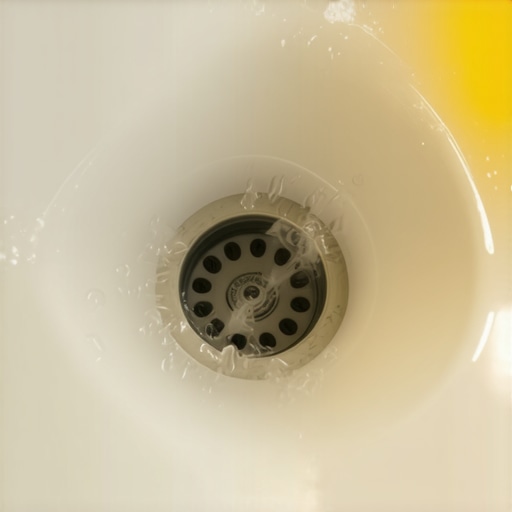
Why Your Shower Smells Like Hard Boiled Eggs and How to Fix the Drain Grout
The smell of sulfur or rotten eggs in a bathroom is a signal of a failing drainage system or a compromised grout joint. This odor usually indicates the presence of hydrogen sulfide gas produced by anaerobic bacteria living in the biofilm of your drain or trapped beneath your tile. Fixing this requires a technical understanding of plumbing traps and grout chemistry.
I once spent four days on my knees in a high-end master suite because the homeowner complained of a persistent sulfur stench that three different cleaners couldn’t solve. They thought it was the water heater. I knew better. After pulling the drain grate and inspecting the weep holes of the three-piece drain assembly, I found a black, gelatinous sludge that had backed up into the mortar bed. The installer had skipped the pea gravel around the weep holes, effectively turning the shower floor into a giant, stagnant sponge. I had to grind out the grout and use a moisture meter to show the owner that their subfloor was basically a swamp. It smelled like a chemical plant and wet oak dust. That is the reality of poor drainage physics.
The chemistry of the sulfur stench and bacterial growth
Hydrogen sulfide gas is the primary culprit when your shower smells like hard boiled eggs and indicates a biological breakdown within the plumbing. This gas is a byproduct of bacteria that thrive in low-oxygen environments, specifically within the biofilm that coats the interior of drain pipes and the porous structures of cementitious grout. When organic matter like skin cells, hair, and soap scum accumulate, they create a food source for these microbes. As the bacteria consume this waste, they release volatile organic compounds that travel up through the drain and into your living space. If your grout is cracked or improperly sealed, these bacteria can also migrate into the mortar bed beneath your tile, creating a localized odor source that is impossible to scrub away from the surface.
“A floor is only as good as the subfloor beneath it; deflection is the enemy of every joint.” – Master Flooring Axiom
The molecular structure of cement-based grout is naturally porous, containing microscopic voids that allow moisture and organic particulates to penetrate deep into the joint. When these voids become saturated and lack airflow, they become the perfect incubator for sulfur-reducing bacteria. This is why a simple surface cleaning often fails to eliminate the smell. You are only treating the top micron of the problem while the colony thrives centimeters below the surface. This is a structural engineering failure of the moisture management system, not just a cleaning issue. If you want to understand the long term solution, you need to look at grout restoration secrets for long lasting results to ensure the chemical bond is restored.
Why your drain is a breeding ground for bacteria
The shower drain serves as a complex intersection of plumbing and masonry where stagnant water often becomes trapped due to improper pitch. In a standard shower construction, the P-trap is designed to hold a small amount of water to block sewer gases from entering the home. However, if the trap is partially clogged or if the drain pipe has a buildup of biofilm, the water becomes stagnant and the gas seal fails. Furthermore, the area around the drain flange is often a site of grout failure where water seeps into the subfloor assembly. This moisture has nowhere to go if the weep holes in the drain assembly are blocked by thin-set or grout during the initial installation phase.
When the weep holes are obstructed, the mortar bed remains perpetually wet. This creates a hydrostatic environment that pushes odors through the grout lines. You can identify this by pressing on the grout near the drain. If you see tiny bubbles or moisture weeping out, your subfloor is saturated. This level of moisture will eventually rot the surrounding structures, including the baseboards in the adjacent room. To prevent this, you must maintain the integrity of the tile joints. Many homeowners find that learning how to refresh grout without replacing it is the first step in regaining control over their bathroom hygiene.
| Factor | Cementitious Grout | Epoxy Grout | High-Performance Resin |
|---|---|---|---|
| Porosity | High (10-15%) | Near Zero | Low (<1%) |
| Stain Resistance | Low | Very High | High |
| Bacterial Growth | High Risk | Extremely Low | Moderate |
| Flexibility | Rigid | Slightly Flexible | Flexible |
The hidden rot beneath your tile and subfloor
Subfloor saturation occurs when the waterproof membrane or the tile grout fails, allowing water to bypass the drainage system. This is not a cosmetic flaw but a structural threat. When I inspect a shower that smells like sulfur, I always check the perimeter where the floor meets the wall. If the grout there is cracked, water is likely traveling behind the tile. In many modern homes, this leads to the degradation of the wall studs and the floor joists. The physics of capillary action means that water will travel upward into the drywall, often manifesting as peeling paint on the baseboards outside the shower stall.
The 1/8 inch gap that ruins everything is often the one left unsealed at the base of the drain. If the grout has eroded here, water sits against the edge of the tile and the drain body. Over time, the constant moisture leads to a breakdown of the adhesive bond. You might notice the tiles around the drain starting to shift or sound hollow when tapped. This is why tile cleaning tips for a sparkling bathroom in 2025 emphasize the need for deep disinfection and structural checks, rather than just wiping down the surface with a damp cloth.
How to fix the drain grout and eliminate odors
Fixing drain grout requires a mechanical removal of the old, contaminated material followed by a deep sterilization of the substrate. You cannot simply layer new grout over the old stinky stuff. That is a recipe for immediate failure. You must use a carbide-tipped grout saw or an oscillating tool to carefully remove the top 1/4 inch of the existing grout. Be extremely careful not to nick the waterproof liner or the drain flange. Once the old grout is removed, you must treat the area with an enzymatic cleaner or a 10 percent bleach solution to kill the bacterial colonies living in the mortar bed.
- Remove all loose debris from the grout joints using a high-powered vacuum.
- Apply an enzyme-based drain cleaner to the P-trap to dissolve the biofilm.
- Ensure the weep holes are clear by using a small wire to probe the drain flange area.
- Dry the area completely using a heat gun or fan for at least 24 hours.
- Apply a high-quality, mold-resistant grout, preferably an epoxy or a modified cement grout.
- Seal the new grout after it has fully cured to prevent future moisture penetration.
While most people want the thickest underlayment or the heaviest sealants, too much cushion or over-sealing a wet floor actually causes the locking mechanisms on LVP to snap or the grout to pop under pressure. It traps the moisture inside the assembly. You want the system to breathe or be entirely waterproof from the start. If you are looking at a full renovation to fix these issues, consider showers that wow modern designs for 2025 which utilize integrated waterproof systems like Schluter or Wedi boards that eliminate the old-school mortar bed problems entirely.
Why your baseboards are rotting from the outside in
Baseboard damage in bathrooms is frequently the first external sign of a hidden shower leak or a failure in the floor-to-wall transition. The grout line at the base of the shower curb is a common failure point. When water escapes the shower pan, it travels across the bathroom floor and gets sucked into the back of the baseboards through capillary action. Since most baseboards are made of MDF or soft pine, they act like a wick. This causes the wood to swell, the paint to bubble, and eventually, a musty smell that competes with the sulfur odor of the drain.
I recommend checking the moisture levels at the base of your walls with a pinless meter. If the reading is over 15 percent, you have a leak. Replacing these with moisture-resistant materials or ensuring a proper silicone caulk joint at the floor-to-wall transition is vital. For aesthetic upgrades that also consider durability, you can look into chic baseboard designs that transform rooms in 2025. These designs often incorporate materials that handle the humidity of a bathroom much better than traditional builder-grade wood.
“Water follows the path of least resistance; your job is to make that path lead directly to the drain.” – TCNA Installation Standards
The truth about waterproof sealants and maintenance
Sealants are not a permanent shield but a sacrificial layer that requires regular reapplication to remain effective. Many homeowners believe that once a shower is grouted and sealed, it is waterproof forever. This is a dangerous myth. Sealants break down due to the pH of soaps, the abrasion of cleaning, and the minerals in hard water. Once the sealer is gone, the grout becomes a sponge again. In a high-moisture environment like a shower, I recommend resealing every six months. This prevents the bacterial infiltration that leads to the hard boiled egg smell.
If the smell persists even after cleaning the drain and refreshing the grout, the problem may be deeper in the venting system. A blocked plumbing vent can cause the P-trap to be siphoned dry, allowing sewer gas to enter freely. This is a job for a plumber, but a floor specialist will see the signs first in the form of efflorescence on the grout lines. Efflorescence is that white, powdery salt that appears when water evaporates from the grout. It is a clear indicator of excessive moisture movement. Proper maintenance is the only way to avoid a full tear-out. Following a rigorous schedule for tile cleaning will keep the biofilm at bay and keep your bathroom smelling fresh. If you have questions about specific installations, you can always contact us for expert advice on subfloor integrity and tile longevity. Understanding the physics of your floor is the only way to ensure it lasts as long as the house itself.
Comments
One response to “Why Your Shower Smells Like Hard Boiled Eggs and How to Fix the Drain Grout”
This post really highlights how complex the issues behind a sulfur smell can be. I’ve had a similar experience where the grout around my shower was cracked, and I didn’t realize how much moisture was seeping behind the tiles until I started experiencing a musty odor. I appreciate the detailed explanation about biofilm buildup and the porosity of cementitious grout — it’s a reminder that surface cleaning isn’t enough for long-term odor control. The steps on removing old grout and properly sterilizing are particularly helpful. I’d love to know, has anyone found that switching to epoxy grout significantly reduces these smells in humid environments? Also, what are your thoughts on using high-performance resins instead of traditional grout for better moisture resistance? I’m considering a renovation soon, and this information is invaluable for ensuring I tackle the root causes rather than just masking the smell.