Shaping the Future of Bathroom Aesthetics with Innovative Baseboard Designs
In the rapidly evolving realm of bathroom architecture, waterproof baseboards are transitioning from mere functional components to design focal points. As professionals recognize the importance of integrating durability with aesthetic appeal, the year 2026 forecast indicates a surge in sophisticated, high-performance baseboard styles that seamlessly blend function and form. These styles are meticulously crafted to withstand the challenging bathroom environment, where moisture, temperature fluctuations, and cleaning agents demand resilient materials and innovative designs.
Emergence of Minimalist Profiles for Enhanced Visual Flow
How do sleek, minimalist baseboard configurations influence the perception of space and hygiene in modern bathrooms?
Minimalist baseboards, characterized by slim profiles and discreet installation, have gained popularity for their ability to create a clean and unobtrusive aesthetic. From a functional perspective, their design simplifies maintenance and reduces water accumulation points, contributing to overall hygiene. Moreover, their unobtrusive presence amplifies the perception of spaciousness, a critical factor in contemporary bathroom layouts aiming for openness. Experts suggest that these styles, often constructed from waterproof PVC or composite materials, provide longevity while complementing trendy tile and shower designs, including innovative grout solutions that prevent mold growth.
Textured and Patterned Waterproof Baseboards to Elevate Design Depth
What benefits do textured surfaces offer in resisting mold and ensuring longevity in wet environments?
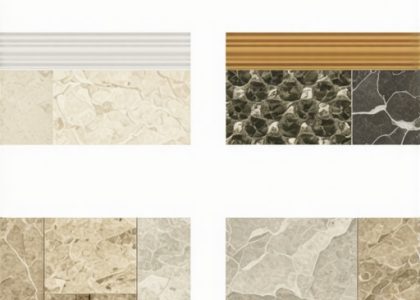
Advancing beyond smooth finishes, textured waterproof baseboards incorporate patterns and tactile surfaces that inherently obscure dirt and water spots, enhancing their aesthetic appeal. These surfaces, engineered with sealed embossings or anti-microbial coatings, serve to inhibit mold and mildew formation—a persistent concern in bathroom settings. Professional applications leverage materials like epoxy resin composites, which resist cracking and peeling, thus maintaining their visual integrity over years of service. Such designs are especially beneficial when paired with eclectic tile arrangements or bold grout contrasts, fostering a bespoke environment tailored for durability and visual impact.
Material Innovation: From Traditional Vinyl to Composite Marvels
Are newer composite materials truly delivering on sustainability while improving waterproof performance?
Material technology plays a crucial role in the evolution of waterproof baseboards. Traditional vinyl remains popular due to its affordability and ease of installation, but recent innovations introduce composite materials infused with recycled content, aligning with eco-conscious renovation trends. These advanced composites offer superior resistance to moisture ingress, UV degradation, and chemical damage, outperforming conventional options. Industry reports published in the Journal of Sustainable Building confirm that recycled polyethylene and polypropylene-based baseboards maintain structural integrity over extended periods, supporting both durability and environmental responsibility. Professionals assessing these materials often cite their low maintenance requirements and compatibility with modern grout sealing methods, ensuring comprehensive waterproofing.
Addressing Common Challenges with Expert Strategies
What are the most overlooked variables that undermine waterproof baseboard longevity in bathroom renovations?
While selecting the right style and material sets the foundation for enduring waterproof baseboards, expert insights reveal that installation practices and environmental factors critically influence longevity. Improper sealing around edges or insufficient grout backing can allow moisture migration, leading to warping or microbial growth. Regular inspection and maintenance, such as deep grout cleaning and sealing, are imperative. For example, professionals recommend employing specialized grout restoration techniques, detailed in sources like grout restoration guides, to sustain the integrity of sealed surfaces. Recognizing these nuances ensures that your investment in cutting-edge waterproof baseboard styles yields durable, lasting results.
For further insights on integrating expert solutions into your bathroom overhaul, explore our contact page for professional consultation.
Transforming Bathroom Resilience with Cutting-Edge Installation Techniques
Achieving long-lasting waterproofing in bathrooms extends beyond material selection; the precision of installation can significantly impact durability. Expert installers emphasize meticulous sealing around baseboards and grout lines, ensuring no water ingress points remain. Employing advanced techniques like corner reinforcement, strategic backer rods, and high-quality sealants is crucial. For those seeking guidance, exploring comprehensive resources such as expert installation tutorials can elevate your renovation outcomes.
Innovative Sealants and Coatings for Enhanced Waterproof Defense
Modern sealants and protective coatings are redefining the longevity of bathroom fixtures. Silicone-based sealants with antimicrobial properties provide a flexible, mold-resistant barrier around grout lines and baseboards. Additionally, applying clear waterproof coatings post-installation can act as a secondary defense, resisting chemical degradation and UV exposure. As research in materials science advances, understanding the optimal combinations of sealant formulations and coating applications becomes vital. Professionals often recommend consulting trusted sources like the trusted grout maintenance guides to select suitable products for specific environments.
Can integrating smart moisture detection systems preempt costly damage before it manifests?
Emerging smart technology now enables real-time moisture monitoring within bathroom structures, providing early alerts for potential leaks or seal failures. These systems utilize sensors embedded in grout or behind baseboards, transmitting data to smartphone applications, empowering homeowners and contractors to react promptly. Integrating such solutions with traditional maintenance routines extends the lifespan of waterproof components, reducing the need for extensive repairs. For innovative insights into this approach, see industry-leading discussions at expert guides on durable installations.”}}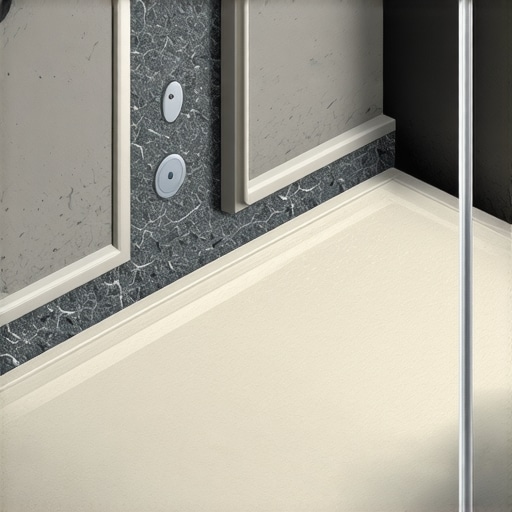 }**Note:** Insert a detailed blueprint-style infographic illustrating a properly sealed shower baseboard and grout line with moisture detection sensors for visual clarity.**
Elevate Your Waterproofing Game with Precision Sealant Application Techniques
Achieving maximum durability in bathroom waterproofing hinges on the meticulous application of sealants around baseboards and grout lines. Experts emphasize the significance of selecting high-quality, mold-resistant sealants specifically designed for damp environments. Proper surface preparation, including thorough cleaning and drying before application, ensures optimal adhesion and performance. Techniques such as applying sealants in optimal temperatures and utilizing professional caulking guns prevent gaps and weak points, which can compromise the entire waterproofing system. For complex installations, employing backing materials like foam backer rods before sealant application can reduce excess sealant use and facilitate a more flexible, durable seal that accommodates bathroom movement without cracking.
Harnessing Smart Technologies to Protect Bathroom Investments
Innovations in sensor technology now permit real-time monitoring of moisture levels behind baseboards and within wall cavities. These intelligent systems utilize wireless sensors that communicate with smartphone apps, alerting homeowners and contractors to early signs of leaks, condensation buildup, or seal failures before significant damage occurs. This proactive approach not only preserves the structural integrity of waterproofed areas but also represents a shift towards predictive maintenance, minimizing costly repairs and downtime. Industry studies, like those published by the Building Research Institute, highlight that integrating IoT-based moisture detection can reduce repair costs by up to 40%, making it a wise investment for high-end bathroom renovations.
Addressing Environmental Challenges That Impair Waterproof Integrity
Environmental variables such as humidity fluctuations, temperature swings, and chemical exposures can accelerate wear and tear on waterproof bases. High humidity levels foster mold growth and degrade sealants over time, while temperature variations cause expansion and contraction, stressing joints and seals. To counter these challenges, professionals recommend incorporating vapor barriers behind baseboards, using climate-appropriate sealants, and selecting materials with proven temperature resilience. Additionally, regular inspection routines become indispensable; implementing scheduled evaluations, especially after seasonal changes, ensures early detection of potential issues. Literature from the American Society of Testing Materials (ASTM) provides standardized testing protocols for assessing material performance under varying environmental conditions, serving as invaluable resources for practitioners aiming to optimize waterproofing longevity.
The Complex Role of Material Compatibility in Long-Term Waterproofing Success
Choosing the right combination of baseboard materials, sealants, and wall substrates is vital. Discrepancies in material expansion rates, adhesion properties, or chemical compatibilities can cause delamination, cracks, or mold infiltration over time. For instance, recent research in polymer science indicates that employing flexible, chemically compatible sealants with high-adhesion primers enhances bond strength and accommodates movement without failure. Experts advise conducting small-scale compatibility tests prior to large installations, referencing comprehensive guidelines like those from the National Association of Waterproofing Manufacturers. Understanding the thermomechanical behavior of combined materials enables professionals to design installations resilient against operational stresses and environmental exposures.
Innovative Grout Formulations to Complement Waterproofing Efforts
While grout is traditionally recognized for its role in tile adhesion and appearance, advances in antimicrobial and hydrophobic grout formulations now play a critical part in sealing the entire environment. Modern epoxy-based or proprietary cementitious grouts incorporate biocidal agents and water-repelling additives, resisting mold growth and reducing capillary water movement. These innovations not only improve hygiene but also extend the lifespan of waterproofed walls by preventing internal moisture accumulation. Industry leaders like Laticrete or Schluter-Systems offer case studies highlighting successful implementations of these advanced grouts in challenging bathroom climates, reinforcing the importance of an integrated approach to waterproofing that combines superior sealants, materials, and installation practices.
Maximizing Moisture Resistance with Advanced Material Synergies
Integrating cutting-edge composite materials with traditional waterproof substrates transcends basic moisture barriers, fostering a resilient interface that adapts to fluctuating bathroom environments. For example, combining epoxy-infused laminates with recycled polymer blends ensures structural integrity while aligning with sustainable building practices. These hybrid solutions can significantly mitigate water ingress risks, especially in high-traffic or steamy areas, by creating a multi-layered defense system. Architects and engineers advocating for such synergistic material usage often consult comprehensive standards outlined by the American Society of Testing Materials (ASTM), ensuring compliance and optimal performance under diverse conditions.
How can Precision Installation Techniques Combat Hidden Environmental Stressors?
Beyond material selection, meticulous installation practices—such as employing laser-guided alignment for grout lines and sealing with high-performance, flexible sealants—play a pivotal role in preventing micro-cracks and water infiltration points that culprits behind deterioration. Incorporating backer rods in conjunction with specialized hybrid sealants accommodates thermal expansion and contraction, thereby extending the lifespan of waterproofed baseboards. Industry-specific guidelines recommend routine audits post-installation, utilizing infrared thermography to detect latent moisture or delamination issues that may compromise long-term resilience.
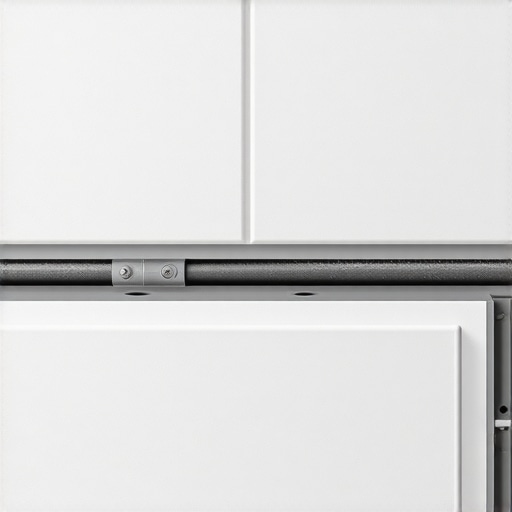
Insert a detailed, high-resolution diagram of a wall assembly showcasing an integrated waterproof baseboard system, complete with thermal expansion joints, sealing techniques, and moisture barrier layers for educational purposes.
Bleeding-Edge Sealant Technologies Transform Bathroom Protection
Latest innovations in sealant chemistry incorporate nanomaterials and reactive polymers that actively repel mold spores while maintaining superior adhesion amid thermal cycling. For instance, silane-modified polymer sealants infused with antimicrobial nanoparticles provide an enhanced protective barrier, minimizing maintenance needs and ensuring aesthetic longevity. These materials are thoroughly tested in environments simulating the extreme conditions found in bathrooms, aligning with ASTM D6100 and ISO 11600 standards, which evaluate durability, flexibility, and mold-resistance properties. The strategic application of such advanced sealants is crucial in high-moisture zones, forming the backbone of a resilient waterproofing system.
What Role Do Smart Technologies Play in Elevating Bathroom Waterproofing?
Wireless sensor networks equipped with moisture detection capabilities are revolutionizing preventative maintenance. Embedded behind baseboards or within wall cavities, these sensors transmit real-time data to cloud-based monitoring systems, alerting homeowners and maintenance teams to early signs of water intrusion or seal degradation. Integrating these IoT devices reduces the reliance on scheduled inspections, enabling proactive interventions that preserve structural and aesthetic integrity. Leading industry reports suggest that combining smart monitoring with high-quality materials can decrease repair costs by up to 50%, emphasizing the importance of technological integration in modern bathroom designs.
How Can Strategic Design Choices Enhance Water Management and Aesthetics?
Thoughtful spatial planning—such as incorporating sloped surfaces for optimal drainage, selecting grout colors that conceal water stains, and designing niches with integrated drainage pathways—can significantly reduce water accumulation points. Additionally, opting for waterproof baseboards with textured surfaces not only improves mold resistance but also creates visual depth that complements diverse tile patterns. Employing concealed sealing systems and hidden drainage channels within niches further minimizes visible maintenance components, resulting in a seamless finish that elegantly balances form and function. Consulting with design specialists who focus on moisture management ensures that aesthetic innovations do not compromise durability or waterproofing efficacy.
Addressing Long-Term Performance through Material-Environment Compatibility
Ensuring sustained waterproofing success requires a nuanced understanding of material interactions under environmental stresses such as UV exposure, chemical contact from cleaning agents, and thermal fluctuations. For instance, selecting baseboard materials with proven UV resistance—like UV-stabilized composites—prevents degradation in exposed settings. Similarly, compatibility testing of sealants with wall wall substrates and finishing coatings ensures adhesion longevity, preventing delamination or cracking. Resources like the National Institute of Standards and Technology (NIST) provide valuable protocols for evaluating material stability, helping professionals tailor solutions to specific environmental challenges, thereby safeguarding investments over decades.
Expert Insights into Remodeling Success
Prioritize Material Compatibility for Seamless Durability
Choosing materials that harmonize is essential. Utilizing sealants and baseboard materials that chemically and mechanically align minimizes delamination, cracks, and mold infiltration, ensuring a resilient bathroom environment.
Implement Precise Installation for Lasting Performance
Meticulous application techniques—including correct surface preparation, strategic sealing, and the use of backer rods—create an impenetrable barrier against moisture ingress, extending the lifespan of waterproof components.
Leverage Smart Monitoring for Preemptive Care
Integrating IoT moisture sensors enables real-time detection of leaks and seal failures, allowing early interventions that prevent costly repairs and preserve bathroom integrity over decades.
Adopt Innovative Sealants Enhancing Resilience
Advanced sealants infused with nanomaterials and antimicrobial agents offer superior waterproofing, flexibility, and mold resistance—critical features for enduring bathroom fixtures.
Curated Resources for Cutting-Edge Waterproofing
- American Society of Testing Materials (ASTM) Standards: Establishes protocols for evaluating material performance under environmental stresses, guiding professionals in selecting resilient products.
- Journal of Sustainable Building: Publishes research on eco-friendly composite materials that marry sustainability with superior waterproof performance.
- Building Research Institute Publications: Offers comprehensive insights on integrating smart moisture detection systems within bathroom designs.
Each of these resources empowers professionals and enthusiasts to elevate their waterproofing expertise, ensuring durable and aesthetically pleasing results enduring years of use.
Elevate Your Bathroom Resilience
Integrating advanced material sciences, precision installation, and smart technology transforms bathroom waterproofing from routine to revolutionary. Engage with these insights and explore further tailored solutions by consulting expert guides and trusted resources. Your commitment to excellence will manifest in bathrooms that not only impress visually but withstand the test of moisture, time, and evolving design trends. Embrace innovation today—because durability in bathroom design is a strategic advantage, not an afterthought.