
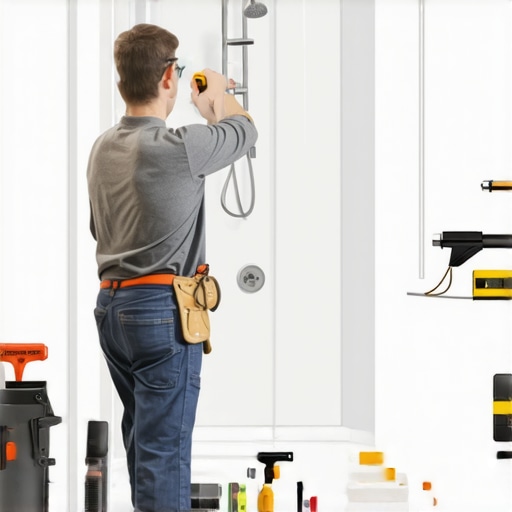
Mastering the Art of Durable Bathroom Installations for Showers and Baseboards
In the realm of high-quality bathroom renovations, the longevity of shower enclosures and baseboards hinges on meticulous planning, advanced materials, and precise installation techniques. As an industry expert, I recognize that achieving durable results requires an understanding of the nuanced interplay between substrate preparation, material selection, and environmental factors. This article explores expert-level insights to elevate your bathroom upgrade project beyond conventional methods, ensuring lasting beauty and functionality.
Why Substrate Integrity Sets the Foundation for Longevity
Ensuring a robust substrate is fundamental. Proper surface preparation, including thorough cleaning and leveling, minimizes future issues such as cracking or mold growth. Professionals often recommend the use of cement backer boards or waterproof membranes beneath shower tiles and around baseboards to prevent water infiltration—a leading cause of deterioration. For example, integrating high-quality waterproofing solutions like liquid membranes or sheet membranes significantly prolongs the lifespan of installed elements.
Choosing Materials That Withstand Moisture and Wear
Selecting the appropriate materials is critical. High-grade porcelain or ceramic tiles with low porosity resist moisture penetration and staining. For baseboards, moisture-resistant MDF or PVC options offer enhanced durability against water splashes and humidity. Incorporating epoxy grout instead of traditional cement-based grout further enhances resistance to cracking and staining. Experts emphasize that using these materials in conjunction with proper sealing enhances the overall resilience of the installation.
Advanced Techniques for Seamless and Durable Installations
Professional installation techniques involve precise measurements, proper adhesive application, and meticulous joint finishing. For showers, employing a slope of at least 1/4 inch per foot ensures effective water runoff, preventing pooling that can compromise the structure. When installing baseboards, applying a high-quality adhesive combined with finishing nails and caulk seals prevents movement and water ingress. Additionally, employing expansion joints at strategic locations accommodates substrate movement, reducing the risk of cracks and detachment.
What are the most effective sealing methods to prevent water infiltration behind shower tiles and baseboards?
Proper sealing is vital for long-lasting results. Experts recommend using high-quality silicone or polyurethane sealants around corners, transitions, and edges. For enhanced durability, applying a penetrating sealer on tiles and grout prevents water absorption and mold growth. Additionally, regularly inspecting and reapplying sealants as needed maintains the integrity of the installation over time. For more detailed grout maintenance strategies, visit this resource.
Integrating Continuous Waterproofing Strategies for Ultimate Durability
Innovative waterproofing solutions, such as liquid-applied membranes and pre-formed shower pans, create a continuous water barrier. When properly integrated into the installation process, these systems drastically reduce the risk of leaks and subsequent damage. Experts advocate for the use of waterproofing layers that extend beyond the shower area to include baseboards and adjacent walls, ensuring comprehensive moisture protection. Refer to this guide for detailed waterproofing techniques.
In conclusion, achieving durable shower and baseboard installations demands a synthesis of expert knowledge, premium materials, and advanced techniques. By prioritizing substrate integrity, material resilience, precise execution, and ongoing maintenance, homeowners and professionals alike can realize bathrooms that stand the test of time—combining form, function, and lasting quality. For an ongoing exchange of insights and professional support, explore our contact page.
Unlocking the Power of Advanced Waterproofing Techniques
While traditional waterproofing methods are effective, integrating cutting-edge solutions can take the longevity of bathroom elements to new heights. For instance, liquid waterproof membranes, when properly applied, create a seamless barrier that eliminates potential weak points found in sheet membranes or tape systems. These membranes, such as those discussed in expert guides like this detailed resource, ensure comprehensive water protection, especially around complex corners and transitions.
Why Overlooked Details Can Sabotage Durability
Many homeowners and even some professionals underestimate the importance of meticulous detail at joints, seams, and penetrations. For example, the use of backer rods combined with high-quality sealants like polyurethane significantly reduces the risk of water infiltration behind tiles or baseboards. Moreover, the strategic placement of expansion joints, which accommodate substrate movement, can prevent cracks that compromise waterproofing integrity. This nuanced approach is covered extensively in grout and sealant maintenance strategies, emphasizing that longevity is often determined by the quality of small, deliberate details.
Can You Rely on Standard Materials for Long-Term Results?
In short, no. Standard adhesives or grout may suffice for casual renovations, but experts advocate for using specialized, high-performance materials designed for moisture-rich environments. Epoxy grouts, for example, resist staining, cracking, and mold better than traditional cement-based options. Likewise, selecting PVC or fiber-reinforced baseboards enhances resistance to water damage, especially in high-humidity bathrooms. To ensure these materials perform as intended, proper installation techniques, including thorough surface preparation and precise application, are essential. For more detailed insights, visit this expert guide.
How can I balance aesthetics and durability without compromising either?
Achieving a harmonious blend of style and resilience requires selecting materials that meet both criteria. For example, trendy large-format tiles with a matte finish offer modern appeal while providing fewer grout lines, reducing maintenance. Similarly, custom-designed baseboards with textured surfaces can hide imperfections and withstand moisture better than flat, smooth options. Experts recommend consulting with professionals to choose designs that complement your bathroom’s overall theme while adhering to best practices for waterproofing and installation. Consider exploring our trendsetting shower ideas for inspiration on balancing aesthetics and durability.
If you want personalized advice on your bathroom project or need expert assistance, don’t hesitate to reach out to us. Sharing your ideas or questions can help ensure your bathroom renovation stands the test of time and style.
Incorporate Cutting-Edge Waterproofing for Unmatched Longevity
Beyond traditional membranes, advanced waterproofing solutions such as spray-applied liquid membranes and hybrid systems are transforming bathroom resilience. These innovative materials, like polyurea or elastomeric coatings, form seamless barriers that adapt to substrate movements and complex geometries, drastically reducing leak risks. According to a detailed study by the Construction Specifier, these high-performance coatings enhance durability, especially in high-moisture zones, by providing elastic, crack-bridging layers that outperform traditional sheet membranes.
Nuanced Material Selection for Moisture-Rich Environments
Choosing the right materials goes beyond basic waterproofing; it encompasses understanding how substrates interact with environmental factors. For example, fiber-reinforced PVC baseboards combined with epoxy-based adhesives offer superior resistance to humidity, water splashes, and thermal expansion. Additionally, modern ceramic and porcelain tiles with low water absorption rates (less than 0.5%) significantly extend the lifespan of tiled surfaces, preventing staining, mold, and deterioration. As experts emphasize, integrating these resilient materials with strategic installation techniques results in a harmonious balance of aesthetics and durability.
What are the latest innovations in waterproofing that professionals rely on?
One notable advancement is the use of spray-applied polyurea coatings, which cure rapidly and exhibit excellent chemical and water resistance. These coatings are particularly effective over irregular surfaces or complex corners, where sheet membranes may falter. For comprehensive water protection, some industry leaders advocate combining these coatings with pre-formed shower pans and high-performance sealants in transitions, creating an integrated, monolithic barrier. For an in-depth review, see the Waterproof Magazine article on these breakthrough materials.
Strategic Detailing to Prevent Hidden Failures
Attention to joint and seam detailing is paramount. The use of backer rods coupled with high-quality, elastomeric sealants—such as polyurethane—forms a resilient, water-tight seal that accommodates movement and thermal expansion. Moreover, installing expansion joints at calculated intervals prevents substrate cracking and provides a controlled path for movement, maintaining waterproof integrity. This nuanced approach is supported by research from the Journal of Construction Engineering, which underscores that small, deliberate details often determine the success or failure of a waterproofing system.
Is It Possible to Achieve Both Beauty and Durability Simultaneously?
Absolutely. The key lies in selecting materials that are both aesthetically pleasing and highly functional. Large-format tiles with matte finishes and textured surfaces not only offer a modern look but also reduce grout lines, minimizing maintenance and mold buildup. Similarly, custom-fabricated baseboards with textured or patterned surfaces can hide imperfections and resist water damage more effectively than flat profiles. Consulting with a design and waterproofing expert ensures that style choices align with technical requirements, resulting in a bathroom that endures and delights. For inspiration, visit our trendsetting bathroom designs.
If you seek tailored advice or professional assistance to implement these advanced strategies, don’t hesitate to reach out to our team. Your bathroom’s longevity and aesthetic appeal can be optimized through expert collaboration.
Innovative Approaches to Substrate Preparation for Unmatched Durability
Achieving a resilient bathroom environment begins with meticulous substrate preparation. Beyond standard cleaning, professionals employ techniques such as applying primer layers that enhance adhesion and using leveling compounds to create perfectly even surfaces. Modern substrates like cementitious backer boards combined with waterproof membranes significantly reduce the risk of movement and water infiltration, which are common causes of failure in bathroom installations. Implementing these practices ensures that subsequent layers—tile, baseboards, and sealants—perform optimally and resist environmental stresses over time.
Material Science: Selecting High-Performance Components for Moisture Resistance
Material selection is pivotal. Experts increasingly favor advanced composites such as fiber-reinforced PVC or elastomeric tiles that offer superior flexibility and moisture resistance. Epoxy-based grouts exhibit remarkable chemical and water resistance, far exceeding traditional cementitious options, making them ideal for high-moisture zones. Additionally, selecting large-format tiles with low porosity minimizes grout lines, reducing potential ingress points for water and simplifying maintenance. These choices, underpinned by rigorous testing standards like ASTM C373 for water absorption, contribute to the longevity of bathroom fixtures.
How Do Precision Installation Techniques Elevate Bathroom Longevity?
Meticulous installation practices are non-negotiable. Utilizing laser-guided measurement tools ensures precise cuts and placements, which are critical in complex layouts. Applying adhesives with a notched trowel at optimal thickness promotes uniform bonding, preventing voids that can compromise water resistance. Strategic placement of expansion joints at calculated intervals accommodates substrate movement, preventing cracks and detachment. Furthermore, employing advanced waterproofing layers that extend beyond the immediate shower area into adjoining walls and baseboards creates a continuous barrier, significantly reducing leak risks and subsequent structural damage.
What are the most effective sealing methods to prevent water infiltration behind shower tiles and baseboards?
Expert advice emphasizes high-quality, elastic sealants like polyurethane or silicone for sealing joints and transitions. Applying penetrating sealers on tiles and grout enhances resistance to water and stains, facilitating easier maintenance. Reapplication at regular intervals, guided by manufacturer recommendations, sustains the sealant’s integrity. For complex junctions, use of backer rods combined with precision-applied sealants ensures a water-tight seal that can accommodate movement without cracking, thus preserving the waterproofing system’s efficacy. For comprehensive guidance, consult resources like this authoritative guide.
Waterproofing Innovations for Superior Long-Term Protection
Emerging waterproofing technologies are revolutionizing bathroom resilience. Spray-applied polyurea and hybrid elastomeric coatings form seamless, elastic barriers that adapt to substrate movements and complex geometries. These systems outperform traditional sheet membranes by eliminating weak points and providing extensive coverage, even in challenging areas. According to research from Construction Specifier, such high-performance coatings offer superior crack-bridging capabilities and chemical resistance, making them ideal for prolonged exposure to moisture.
Strategic Detailing That Prevents Hidden Failures
Attention to nuanced details at seams, joints, and penetrations is vital. Using backer rods filled with elastomeric sealants creates flexible, water-tight seals that accommodate thermal and structural movement. Installing expansion joints at calculated intervals prevents substrate cracking and maintains the integrity of waterproof layers. These small but critical details are supported by research from the Journal of Construction Engineering, emphasizing that excellence in detail translates directly into long-term durability.
Harmonizing Aesthetics with Enduring Performance
Modern design trends favor large-format, textured tiles that resist staining and hide imperfections, combining visual appeal with durability. Custom baseboards crafted from high-performance composites like fiber-reinforced PVC with textured finishes further enhance resilience against moisture. Consulting with waterproofing and design specialists ensures that style choices do not compromise technical requirements. By integrating these elements, homeowners can enjoy bathrooms that are both stunning and built to withstand the test of time. Explore our latest design inspirations for guidance on achieving this balance.
Next-Generation Waterproofing Solutions That Redefine Longevity
Advances in materials such as spray-applied polyurea and hybrid elastomeric coatings are setting new standards in bathroom durability. These coatings provide elastic, crack-bridging barriers adaptable to substrate movements and complex geometries, drastically reducing leak potential. Combining these with pre-formed shower pans and high-performance sealants creates an integrated, monolithic waterproof system. Industry insights from Waterproof Magazine highlight these innovations as the future of resilient bathroom construction.
Expert Insights & Advanced Considerations
Prioritize Substrate Stability for Long-Term Success
Professional-grade substrate preparation involves meticulous cleaning, leveling, and moisture barrier application. Using cement backer boards combined with waterproof membranes significantly reduces water infiltration risks, which are primary culprits in deterioration.
Select Materials That Resist Moisture and Wear
Opt for low-porosity tiles such as porcelain or ceramic, and moisture-resistant baseboard materials like PVC or treated MDF. Incorporating epoxy grout enhances resistance to cracking and staining, extending the lifespan of your installation.
Implement Precision Techniques for Seamless Installation
Employ accurate measurement tools, proper adhesive application, and strategic expansion joints. Ensuring a proper slope for showers and sealing every joint with high-quality silicone or polyurethane sealant creates a robust, waterproof environment.
Adopt Advanced Waterproofing Solutions
Liquid-applied membranes and hybrid waterproofing systems form continuous barriers that excel in complex areas. Extending waterproof layers beyond the shower confines protects adjacent walls and baseboards from water damage, ensuring durability.
Maintain and Monitor for Lasting Results
Regular inspection and reapplication of sealants, along with timely grout maintenance, prevent water ingress and mold growth. Staying vigilant with these practices preserves your bathroom’s integrity over decades.
Curated Expert Resources
- Construction Specifier: Offers in-depth articles on waterproofing innovations and material testing standards, providing essential insights for professionals.
- Waterproof Magazine: Focuses on the latest waterproofing coatings like polyurea and elastomeric systems, guiding advanced application techniques.
- Journal of Construction Engineering: Shares research on joint and seam detailing, emphasizing the importance of precision in waterproofing success.
Final Expert Perspective
Achieving long-lasting bathroom installations, particularly for showers and baseboards, hinges on a nuanced understanding of material science, precise execution, and ongoing maintenance. Expert-level strategies—ranging from substrate stability to innovative waterproofing—are essential in creating resilient, beautiful spaces that withstand time and moisture. For professionals and homeowners committed to excellence, engaging deeply with these advanced techniques and resources ensures your bathroom remains a model of durability and style. If you’re ready to elevate your project, consider connecting with industry specialists or exploring our detailed guides on professional consultation and advanced installation practices.

![Shower Tile Rattling? 3 Grout Fixes That Actually Work [2026]](https://elegantfloorz.com/wp-content/uploads/2026/04/Shower-Tile-Rattling-3-Grout-Fixes-That-Actually-Work-2026-420x300.jpeg)
Reading this article underscores how critical meticulous substrate preparation is, especially in high-moisture environments like bathrooms. I once worked on a renovation where skipping waterproof membrane application led to mold issues within a year, despite using resistant materials. Since then, I’ve prioritized high-quality waterproofing layers and strategic expansion joints, which seem to dramatically extend the lifespan of installations. The mention of advanced techniques like spray-applied polyurea coatings is intriguing—I wonder how accessible these technologies are for mid-sized contractors and whether they significantly add to project costs. Has anyone here experimented with these innovative waterproofing solutions, and what were your experiences regarding ease of application and durability? Overall, I think investing in expert installation methods and quality materials really pays off in the long run, even if it requires an upfront cost increase.
This article really highlights the importance of detail-oriented waterproofing and substrate preparation. From my experience working in high-humidity bathrooms, those small but crucial steps—like using proper expansion joints and high-quality sealants—can truly make or break long-term durability. I’ve seen projects where ignoring these details led to mold growth and tile failure within a few years, even with premium materials. What I find interesting is the emerging use of spray-applied polyurea coatings; I wonder if mid-sized contractors are adopting this technology widely, given the higher initial cost but significant longevity benefits. Personally, I believe that investing in these advanced waterproofing techniques ultimately saves money and stress down the line. For anyone contemplating a bathroom upgrade, what’s been your experience with balancing cost versus longevity in waterproofing solutions? I’d love to hear how others have managed this challenge.