
Elevating Bathroom Renovation Standards: The Critical Role of Reliable Installation Techniques
In the rapidly evolving landscape of bathroom remodeling, achieving durability and aesthetic appeal hinges on an expert understanding of installation intricacies. As professionals anticipate the trends of 2025, mastery over shower, baseboards, and tile installation emerges as a cornerstone for long-lasting results. This guide delves into the nuanced challenges and innovative solutions that define reliable bathroom upgrades, emphasizing the importance of strategic planning, material selection, and execution precision.
Why Precision in Shower Installation Sets Industry Benchmarks
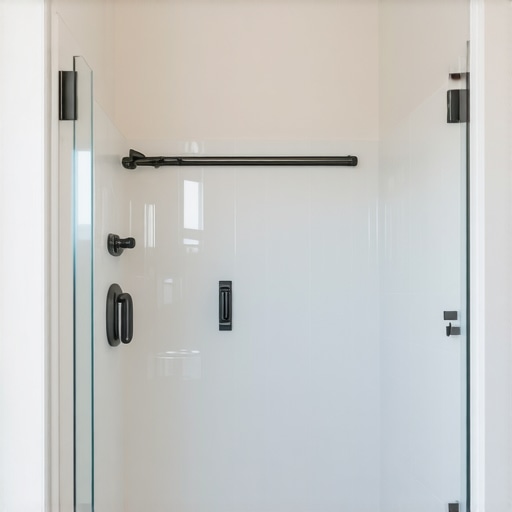
The shower area, often the focal point of a bathroom, demands meticulous attention to waterproofing, structural integrity, and seamless integration with surrounding fixtures. Advanced techniques such as expert shower baseboard installation ensure that moisture intrusion is minimized, preventing mold growth and material deterioration. Experts advocate for high-quality membrane systems coupled with precision sealing methods, which are vital for enduring performance in high-humidity environments.
Harnessing Material Science for Baseboard Longevity
Baseboards serve both functional and decorative purposes, yet their longevity depends on strategic material choices and installation practices. The shift towards eco-conscious and durable materials in 2025 encourages the adoption of composite, PVC, or sustainably sourced woods that resist warping and moisture damage. Proper anchoring techniques and surface preparation are critical—missteps here can lead to cracks, detachment, and aesthetic decline over time. For innovative ideas, explore chic baseboard designs that marry form and function effectively.
Complexities of Tile Adhesion and Grout Sealing
Tile installation transcends mere placement; it encompasses substrate preparation, adhesive selection, and long-term grout integrity. The use of high-performance, flexible adhesives accommodates substrate movement and thermal expansion, which are common in modern bathrooms. Proper grout sealing, as discussed in grout maintenance tips, is essential to prevent water ingress and staining. Industry professionals now favor epoxy or hybrid sealants that offer superior adhesion and chemical resistance, thereby extending the lifespan of tiled surfaces.
What are the most overlooked factors compromising the durability of shower and tile installations?
Common oversights include inadequate substrate assessment, improper moisture barriers, and neglect of thermal expansion allowances. These issues can cause delamination, cracking, and water damage, ultimately undermining the installation’s integrity. Regular inspections and adherence to best practices, such as those outlined in authoritative sources like the Tile Council of North America (TCNA), are indispensable for safeguarding investment and ensuring lasting beauty.
For ongoing professional development, consider exploring advanced installation strategies or contribute insights based on your field experience. Reliable installation is not just a skill but a commitment to excellence that defines industry leaders in 2025.
By integrating innovative materials, precise techniques, and proactive maintenance, contractors and homeowners alike can achieve bathroom environments that withstand the test of time. Embrace the complexities of modern installation to set new standards of quality and reliability in bathroom renovation projects.
Preventing Hidden Damages with Advanced Waterproofing
One of the most underestimated aspects of reliable bathroom renovations is the implementation of superior waterproofing systems. Many overlook the critical importance of multi-layer moisture barriers that extend beyond traditional membranes, especially in shower niches and corners where water tends to accumulate. Employing innovative solutions like liquid-applied waterproof sealants, which conform to complex shapes, significantly reduces the risk of leaks and mold growth. For professional-grade waterproofing techniques, see expert shower baseboard installation strategies that emphasize waterproof integrity. Proper application and curing are essential to create a resilient barrier that endures years of exposure to moisture and temperature fluctuations.
Thinking Ahead: Could Your Material Choices Make or Break Your Renovation
Choosing the right materials is more than an aesthetic decision; it’s a strategic move that impacts long-term durability. The trend toward eco-friendly and resilient materials in 2025 includes options like recycled glass tiles, high-performance porcelain, and moisture-resistant engineered wood. These materials are designed to withstand humidity, temperature changes, and daily wear without cracking or warping. Properly anchoring and sealing these surfaces, especially around edges and joints, is vital—missteps here can lead to costly repairs down the line. Dive into chic baseboard designs that integrate form with long-lasting function seamlessly, reinforcing the importance of strategic material selection and installation.
Are we underestimating the impact of substrate preparation on the longevity of bathroom surfaces?
Most professionals agree that meticulous substrate assessment and preparation are the backbone of durable installations. An uneven or compromised substrate can cause tiles to crack, grout to deteriorate, and even lead to water infiltration. Proper surface cleaning, leveling, and moisture mitigation are non-negotiable steps before any tile or baseboard installation. Industry standards, such as those outlined by the Tile Council of North America (TCNA), recommend comprehensive substrate testing and preparation protocols to prevent future failures. For detailed guidance, refer to expert installation tips that emphasize this often overlooked stage. Consistent quality control here ensures your renovation investment remains protected, and the finished look lasts decades.
To deepen your understanding, consider exploring the ultimate guide to grout and tile durability, which offers actionable insights into maintaining long-term beauty and performance. Remember, a well-prepared substrate combined with expert installation practices forms the foundation of a truly durable bathroom upgrade, resisting the forces of time and moisture with confidence.
Elevate Waterproofing Strategies to Prevent Future Damage
In high-end bathroom renovations, the subtleties of waterproofing can make or break the project’s longevity. While traditional membranes are effective, integrating cutting-edge solutions like **liquid-applied waterproof sealants** offers a conforming, seamless barrier that adapts to complex shapes and tight corners. These advanced coatings, when properly applied and cured, create a resilient shield against water intrusion, significantly reducing mold risk and structural decay. Industry leader TileLetter Magazine emphasizes the importance of multi-layer waterproofing systems, especially in shower niches and floor-to-wall junctions, where failure often occurs. Proper surface preparation, including cleaning and priming, is essential to ensure adhesion and durability of these high-tech barriers.
Innovative Material Selection to Boost Bathroom Resilience
Choosing the right materials is a strategic move that enhances both aesthetics and durability. In 2025, a shift toward **recycled glass tiles**, **high-performance porcelain**, and **moisture-resistant engineered woods** exemplifies this trend. These materials are designed to withstand humidity, thermal fluctuations, and daily wear without cracking or warping. For instance, **high-density porcelain tiles** offer superior strength and stain resistance, making them ideal for high-traffic bathrooms. When combined with meticulous sealing around joints and edges, these choices form a formidable barrier against water damage and structural issues. Explore architectural digest for insights into material innovations that push the boundaries of durability.
What role does substrate preparation play in ensuring the longevity of bathroom surfaces?
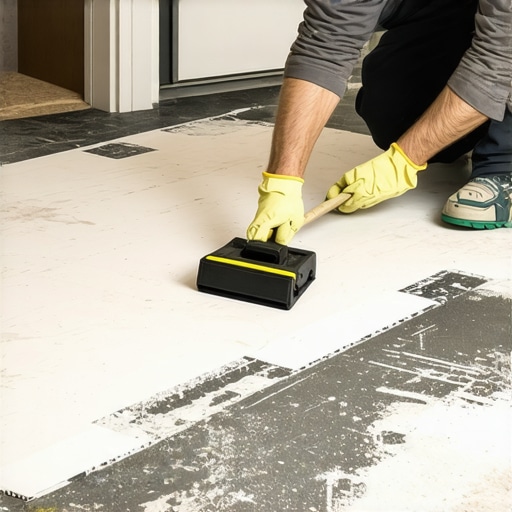
Substrate integrity is often underestimated, yet it is the foundation upon which all other elements depend. An uneven or compromised substrate can lead to cracked tiles, deteriorating grout, and water infiltration—issues that compromise the entire renovation. Industry standards, such as those from the Tile Council of North America (TCNA), recommend comprehensive testing and surface preparation, including leveling, cleaning, and moisture mitigation. Properly prepared substrates ensure adhesives bond effectively and prevent future failures. For expert guidance on substrate assessment and preparation, consult specialized installation protocols that emphasize this crucial step, ensuring your investment stands the test of time.
Deepening your knowledge through resources like the ultimate guide to grout and tile durability can provide actionable strategies for maintaining the integrity of your surfaces. Remember, meticulous substrate preparation combined with expert installation practices forms the bedrock of a durable, long-lasting bathroom remodel.

Innovative Waterproofing Approaches That Outperform Traditional Membranes
Emerging waterproofing technologies have revolutionized bathroom renovations by providing seamless, multi-layer moisture barriers that adapt to complex geometries. Liquid-applied waterproof sealants, such as polyurethane or epoxy-based coatings, offer superior adhesion and flexibility, effectively sealing niches, corners, and joints prone to water accumulation. According to industry insights from TileLetter Magazine, these solutions significantly mitigate the risk of leaks and subsequent mold growth, especially when combined with meticulous surface preparation and curing protocols. Homeowners and contractors who prioritize these advanced systems can ensure their installations withstand moisture exposure for decades, reducing costly repairs and health hazards.
Leveraging Cutting-Edge Material Science for Enhanced Durability
The selection of resilient materials is critical in elevating bathroom longevity beyond standard expectations. In 2025, innovations like recycled glass tiles, high-density porcelain, and engineered woods with moisture-resistant treatments are setting new industry standards. These materials are engineered to resist cracking, warping, and staining under high humidity and temperature fluctuations. For instance, high-performance porcelain tiles—known for their density and low porosity—provide robust resistance against daily wear. When integrated with precision sealing techniques, especially around joints and edges, they form a resilient barrier that preserves aesthetic appeal and structural integrity over time. For a comprehensive overview of material advancements, consult Architectural Digest for expert analyses on material innovations.
How does substrate integrity influence the lifespan of bathroom surfaces?
Substrate preparation is often the unseen hero of successful installations. An uneven or compromised base can lead to tile cracking, grout deterioration, and water infiltration—issues that undermine the entire renovation. Industry standards from the Tile Council of North America (TCNA) emphasize comprehensive testing, cleaning, leveling, and moisture mitigation before tile and baseboard installation. Proper substrate assessment ensures optimal adhesion, preventing future failures and prolonging surface integrity. To refine your expertise, explore specialized substrate preparation protocols and implement these best practices for enduring results.
Elevate your renovation projects by integrating these advanced strategies—your expertise can set new standards of durability and sophistication in bathroom design.
Exceptional Waterproofing Techniques That Protect Investments
Implementing superior waterproofing is a decisive factor in preventing costly damages. Beyond traditional membranes, innovative solutions like multi-layer liquid-applied barriers provide conforming, seamless coverage that withstands thermal expansion and complex shapes. These high-performance coatings, when correctly applied and cured, create a resilient shield against moisture intrusion, significantly reducing mold and decay risks. Industry leader TileLetter Magazine underscores the importance of multi-layer systems in high-risk areas such as shower niches and floor joints. Proper surface preparation—including cleaning, priming, and controlled curing—ensures maximum adhesion and long-term effectiveness, safeguarding your investment from future water-related failures.
Strategic Material Selection for Future-Proof Bathrooms
The choice of materials in bathroom renovation is a strategic decision that influences long-term performance. The trend in 2025 favors eco-friendly, moisture-resistant options like recycled glass tiles, high-performance porcelain, and engineered woods treated for humidity resistance. These selections not only enhance aesthetic appeal but also resist cracking, warping, and staining. When combined with precise sealing around edges and joints, these materials create an integrated barrier against common moisture issues. For detailed insights into material selection, browse Architectural Digest’s latest features on innovative building materials.
Why is substrate assessment crucial for ensuring surface longevity?
Thorough substrate assessment and preparation are indispensable for achieving durable, long-lasting surfaces. An uneven or compromised base can cause tiles to crack, grout to degrade, and water to infiltrate, leading to costly repairs and aesthetic decline. Industry standards from the Tile Council of North America (TCNA) recommend detailed testing, cleaning, and leveling procedures prior to installation. Implementing these protocols ensures optimal adhesion, minimizes future failures, and extends the lifespan of the entire bathroom environment. Enhance your workflow with expert substrate preparation guidance and safeguard your renovation investments.
Deepen your mastery by exploring comprehensive guides on grout and tile durability, ensuring your projects achieve lasting beauty and resilience.
Elevate Your Bathroom Renovation Game with Industry Secrets
In the competitive landscape of bathroom remodeling, only those who embrace cutting-edge techniques and strategic material choices will stand out. Expert insight reveals that meticulous preparation, innovative waterproofing, and resilient materials are the backbone of a successful upgrade in 2025. This guide arms professionals and homeowners with tactical knowledge to forge bathrooms that resist time, moisture, and wear.
Why Precision in Shower Installation Transcends Expectations
A shower isn’t just a fixture; it’s a testament to craftsmanship. Advanced sealing methods, high-performance membranes, and expert baseboard installation prevent leaks and mold infiltration. The latest trends favor liquid-applied waterproof sealants that conform to complex shapes, ensuring seamless moisture barriers and longevity.
Long-Term Benefits of Material Science in Baseboards
Baseboards are more than decorative accents—they’re critical to structural integrity. Modern choices like recycled composite and engineered wood resist warping, especially when combined with proper anchoring and surface prep. Investing in these durable materials minimizes future repairs and aesthetic deterioration, aligning with sustainability goals for 2025.
The Hidden Risks in Tile Adhesion and Grout Sealing
Substrate quality, adhesive flexibility, and grout sealing are often underestimated. Using high-performance, flexible adhesives and epoxy grout seals provides superior water resistance and crack prevention. Regular maintenance and expert application protocols are essential for preserving tile integrity over time.
Advanced Waterproofing, Beyond Traditional Membranes
Innovations like multi-layer liquid-applied barriers and conforming sealants drastically reduce leak risks. Proper surface preparation, including cleaning and priming, ensures these high-tech solutions deliver maximum durability, making them indispensable for high-moisture environments.
Choosing Resilient Materials for a Sustainable Future
Recycled glass tiles, high-density porcelain, and moisture-resistant engineered woods are at the forefront of 2025’s material innovations. Their ability to resist cracking, warping, and staining under daily stresses guarantees a visually appealing yet durable bathroom.
What Substrate Preparation Reveals About Longevity
The unseen hero of a long-lasting renovation is substrate integrity. Proper assessment, leveling, and moisture mitigation are non-negotiable. Following standards from the Tile Council of North America (TCNA) and expert protocols ensures tiles and grout maintain their beauty and function over decades.
Expert Resources to Deepen Your Knowledge
- Tile Council of North America (TCNA): Industry standards and comprehensive guidelines for substrate preparation and installation techniques.
- Tile Letter Magazine: Cutting-edge waterproofing and tile installation innovations from industry leaders.
- Architectural Digest: Insights into the latest materials and design trends shaping future-proof bathrooms.
- ElegantFloorz Blog: A treasure trove of detailed tutorials, expert tips, and case studies for professional-grade renovations.
The Final Word: Crafting Tomorrow’s Bathroom Today
In the realm of bathroom renovation, mastery over installation precision, innovative waterproofing, and resilient materials defines the industry’s future. The integration of expert insights and advanced resources empowers professionals to push beyond conventional boundaries. Remember, a truly durable bathroom in 2025 isn’t just about aesthetics—it’s about creating a resilient haven that withstands the tests of time and moisture. Engage with these strategies, share your expertise, and lead the way in elevating bathroom standards for generations to come.

![Shower Tile Rattling? 3 Grout Fixes That Actually Work [2026]](https://elegantfloorz.com/wp-content/uploads/2026/04/Shower-Tile-Rattling-3-Grout-Fixes-That-Actually-Work-2026-420x300.jpeg)
This article really highlights the importance of meticulous substrate preparation, which is something I’ve seen many professionals overlook, leading to premature tile failures. I totally agree that consistent quality control at this stage can save time and money in the long run. I’ve recently started incorporating comprehensive substrate testing and leveling as standard practice, and the results have been impressive, especially in high-moisture areas like showers. The emphasis on advanced waterproofing solutions like liquid-applied sealants is a game-changer, especially for complex shapes and tight corners that traditional membranes struggle with. In your experience, do you find that homeowners are increasingly interested in these high-tech waterproofing methods, or is it still mainly driven by the contractor’s expertise?
Reading this comprehensive guide reminds me of some recent bathroom projects where early attention to substrate assessment and sealing really made a difference in long-term performance. I especially appreciated the detail on liquid-applied waterproof sealants; they seem to be elevating standards for waterproofing, especially in complex shower designs. My question is, have you seen a shift in homeowner preferences towards more innovative waterproofing solutions like these? In my experience, many clients are now more aware of the importance of these systems, especially after seeing the potential issues caused by leaks or mold. It’s encouraging to see industry trends moving in this direction, but I wonder if contractors are universally adopting these advanced techniques or if there’s still some hesitancy. Also, in your opinion, what’s the most common mistake that leads to waterproofing failures, and how can it be avoided during installation? Looking forward to hearing your insights.
I completely agree with the emphasis on substrate preparation and advanced waterproofing techniques. In my experience, many bathrooms face issues down the line simply because these initial steps aren’t given enough attention. I’ve started recommending multi-layer waterproof systems that include liquid sealants instead of traditional membranes, especially in complex shower designs. Recently, I worked on a project where proper surface priming and moisture barrier application prevented leaks that could have become mold problems later. It’s interesting how homeowners are gradually becoming more educated about these high-tech solutions, likely due to the rise in leak-related damages we’ve seen in the industry. From your perspective, what are the key signs contractors should look for during initial inspections to ensure the substrate and waterproofing are up to standard before proceeding? It’s all about spotting potential issues early to avoid costly repairs down the road.