
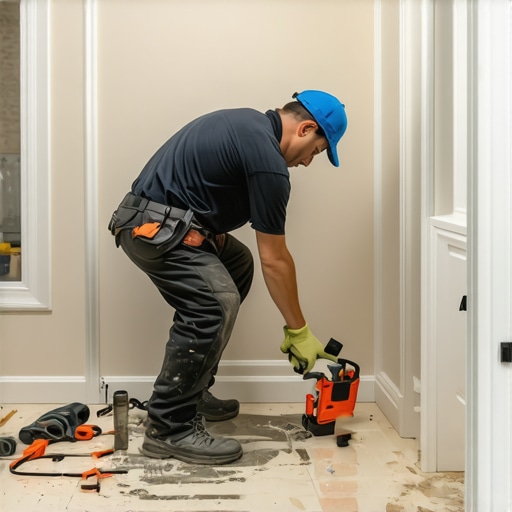
Elevating Bathroom Durability: The Critical Role of Expert-Selected Baseboards and Shower Installations
In the realm of modern bathroom renovation, selecting the right materials and installation techniques is paramount for longevity and aesthetic appeal. With advancements in construction materials and a deeper understanding of moisture management, experts now emphasize precision in baseboard and shower tile installation to prevent common issues like warping, mold, and water infiltration.
Innovative Materials Transforming Baseboard Durability
Traditional wood baseboards, while visually appealing, often succumb to moisture damage in bathrooms. Contemporary solutions involve moisture-resistant MDF, PVC, or composite materials that maintain integrity under humid conditions. Expert installers recommend seamless integration with waterproofing membranes, such as liquid-applied or sheet membranes, to enhance longevity.Explore creative baseboard makeover ideas that combine durability and style.
Advanced Techniques Ensuring Shower Installation Excellence
Shower installation in 2025 hinges on meticulous waterproofing, precise tile setting, and reliable grout choices. Experts advocate for the use of epoxy grout or high-performance cementitious grout, which resist cracking and staining. Moreover, proper sloping and drainage are vital for preventing standing water, which can deteriorate substrate layers over time.Learn about reliable shower baseboard installation techniques that guarantee lasting results.
What Are the Most Common Pitfalls in Shower Tile Grout Application and How Can They Be Avoided?
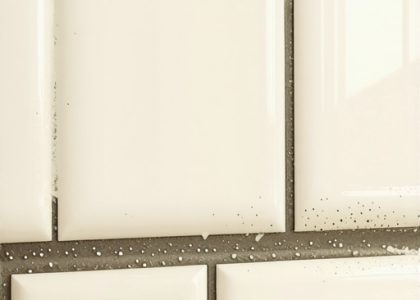
Incorrect grout application, such as inadequate curing or improper sealing, can lead to water ingress and mold growth. Professionals recommend using a grout bag for precise application and applying a high-quality sealant post-curing to prevent moisture penetration. Regular maintenance, including cleaning with pH-neutral products, prolongs grout lifespan and maintains hygiene.
For those seeking expert guidance on integrating these advanced practices, consulting dedicated resources or contacting specialized contractors can be invaluable. To maintain your bathroom’s aesthetic and structural integrity, consider exploring our trusted grout solutions.
In sum, achieving durable baseboards and shower installations in 2025 requires an informed approach rooted in the latest materials science and installation technology. Continuous education and adherence to best practices are essential for professionals aiming to deliver results that stand the test of time.
Innovating Beyond Basics to Boost Bathroom Longevity
While selecting moisture-resistant materials like PVC or composite for baseboards and employing high-performance grout are critical steps, understanding the nuances of proper installation techniques can dramatically extend the lifespan of your bathroom features. For instance, incorporating advanced waterproofing layers beneath tile and baseboards, such as liquid-applied membranes, creates an extra barrier against moisture infiltration, a practice recommended by industry experts for long-lasting results.Learn more about durable installation strategies.
Refining Technique for Superior Results
Achieving professional-grade durability requires meticulous attention to detail during installation. Ensuring tiles are correctly sloped towards drains prevents water pooling, which can compromise substrates over time. Similarly, sealing grout with high-quality, breathable sealants prevents moisture ingress while allowing vapor escape, reducing mold risks. Experts also highlight the importance of using flexible adhesives that accommodate substrate movement, minimizing cracking and detachment over years of use.Explore expert grout maintenance tips.
What Are the Hidden Risks of Neglecting Proper Shower Baseboard and Tile Installation?
Overlooking the critical details in installation can lead to costly repairs and compromised hygiene. For example, inadequate waterproofing can cause water to seep behind tiles, fostering mold and rot that threaten structural integrity. Conversely, following best practices, like precise leveling and sealing, ensures your bathroom remains pristine and durable. Professionals also recommend periodic inspections and maintenance to catch issues early, saving time and money in the long run. For comprehensive guidance, consider consulting trusted resources such as expert shower grout maintenance tips.
If you’re looking to elevate your bathroom’s resilience, sharing your experiences or reading about innovative products can be equally valuable. Consider exploring our article on baseboard makeover ideas to inspire your renovation projects.
Sealing the Deal: The Science Behind Waterproofing Layers in Bathroom Renovations
One of the most overlooked yet critical factors influencing bathroom durability is the application of waterproofing membranes beneath tiles and baseboards. Industry leaders like the Tile Council of North America emphasize that seamless, liquid-applied waterproofing layers create an impervious barrier against moisture seepage, which is essential in high-humidity environments. These membranes, when properly installed, prevent water from reaching the substrate, thereby averting mold growth, wood rot, and substrate deterioration. Implementing multiple layers or incorporating vapor barriers can significantly enhance the protective envelope of your bathroom structures.
Why Proper Substrate Preparation Sets the Foundation for Long-Lasting Results
Before any waterproofing or tile installation, meticulous substrate preparation ensures adhesion and longevity. Experts recommend leveling surfaces, removing dust and debris, and applying bonding agents tailored to the substrate material. In bathrooms with existing moisture issues, replacing compromised drywall with cement backer board or Schluter® Kerdi Board provides a resilient base capable of resisting water damage. These practices, although seemingly foundational, are crucial for preventing future repairs and ensuring that advanced waterproofing and finishing layers perform optimally.
Addressing the Nuances of Tile Adhesives for Dynamic Bathroom Environments
Choosing the right adhesive is vital, particularly in areas prone to movement or temperature fluctuations. Flexible adhesives, such as epoxy or acrylic-based mortar, accommodate substrate expansion and contraction, reducing the risk of cracking and detachment. According to a comprehensive study published in the journal Construction and Building Materials, the use of high-performance adhesives coupled with proper curing protocols can extend the lifespan of tiled surfaces by decades. This nuanced consideration underscores the importance of expert knowledge in selecting materials that align with the specific demands of bathroom environments.
How Can Modern Grouting Techniques Prevent Long-Term Water Damage?
Advanced grouting methods involve the use of high-quality, breathable, and chemically resistant grouts like epoxy or hybrid variants. Post-application sealing with vapor-permeable sealants maintains the grout’s integrity while allowing vapor escape, preventing moisture entrapment that leads to mold or efflorescence. Regular maintenance, including gentle cleaning with neutral pH products, significantly prolongs grout lifespan and preserves hygiene standards. For professionals and DIY enthusiasts alike, mastering these techniques is key to achieving a truly durable bathroom finish.
If you’re ready to elevate your renovation project, consulting with specialists who understand these technical nuances can make all the difference. Explore our detailed guides on waterproofing and tile installation to deepen your knowledge and ensure your bathroom stands the test of time.
Innovative Materials and Techniques for Next-Level Bathroom Resilience
Emerging materials, such as nano-enhanced waterproofing membranes and self-healing grout formulations, promise even greater longevity. When combined with meticulous installation practices—like incorporating expansion joints and thermal breaks—these innovations create a resilient environment that withstands moisture, temperature swings, and daily wear. Industry leaders advocate for staying abreast of these advancements, integrating them into their projects for superior results. As the technology evolves, so too does the potential for achieving bathrooms that are not only beautiful but built to last decades.
Elevate Your Expertise: Continuous Learning and Practical Application
The path to mastering bathroom durability lies in ongoing education and hands-on experience. Attend industry seminars, participate in workshops, and review case studies documenting successful implementations of advanced waterproofing and installation techniques. Remember, the devil is in the details—small adjustments in substrate prep, membrane application, or grout sealing can profoundly impact the lifespan of your bathroom features. For those seeking to perfect their craft, connecting with industry professionals and reputable suppliers is an invaluable step toward excellence.
The Hidden Art of Seamless Waterproofing in Modern Bathrooms
In the relentless pursuit of bathroom durability, the meticulous application of waterproofing membranes emerges as a cornerstone. Industry titans like the Tile Council of North America underscore that seamless, liquid-applied waterproofing layers serve as the ultimate shield against moisture ingress. These membranes, when expertly installed, create an impervious barrier that safeguards underlying substrates, preventing mold proliferation, wood rot, and structural decay. Incorporating multiple layers or vapor barriers enhances this protective envelope, ensuring your bathroom remains resilient against high humidity and water exposure.
Revolutionizing Substrate Preparation for Enhanced Tile Adhesion
Before waterproofing, substrate preparation must be executed with surgical precision. Experts advocate for leveling surfaces, eliminating dust and debris, and applying specialized bonding agents tailored to the substrate. In environments plagued by prior moisture issues, replacing compromised drywall with cement backer boards such as Schluter® Kerdi Board establishes a robust foundation resistant to water damage. These foundational steps, though seemingly basic, are pivotal in preventing future failures and ensuring the efficacy of advanced waterproofing systems.
Can Modern Adhesives withstand the Dynamic Conditions of Bathrooms?
Selecting flexible, high-performance adhesives like epoxy or acrylic-based mortar is crucial in accommodating substrate movements caused by temperature fluctuations or structural settling. According to a comprehensive study in Construction and Building Materials, the synergy of these adhesives with proper curing protocols significantly extends the lifespan of tiled surfaces. Such nuanced material choices exemplify the sophistication required in expert bathroom installations, ensuring longevity and aesthetic integrity.
What Are the Cutting-Edge Grouting Techniques to Prevent Long-Term Water Damage?
Advanced grouting practices involve using high-quality, breathable, and chemically resistant options like epoxy or hybrid variants. Post-application sealing with vapor-permeable sealants maintains grout integrity while allowing vapor escape, thus preventing moisture entrapment that fosters mold and efflorescence. Regular maintenance with neutral pH cleaning products further prolongs grout lifespan and hygiene. Mastering these techniques is vital for professionals and DIY enthusiasts committed to lasting durability.
Engage with specialists and leverage authoritative resources such as the Tile Council of North America for in-depth guidance. Elevate your bathroom renovation knowledge to craft spaces that defy time and moisture challenges.
Innovations Pushing the Boundaries of Bathroom Resilience
The future of bathroom durability hinges on integrating emerging materials like nano-enhanced waterproofing membranes and self-healing grout formulations. When combined with meticulous installation practices—such as incorporating expansion joints and thermal breaks—these innovations create environments capable of withstanding moisture, temperature swings, and daily wear. Industry leaders advocate embracing these advancements to deliver bathrooms that are not only visually stunning but built to endure for decades.
Continuous Education as the Key to Expert Mastery
Achieving unparalleled durability requires ongoing learning, including industry seminars, workshops, and detailed case studies. Small adjustments in substrate preparation, membrane application, or grout sealing can profoundly impact longevity. Connecting with reputable suppliers and industry professionals ensures mastery over emerging techniques and materials, ultimately translating into superior craftsmanship and long-lasting results.
Expert Insights & Advanced Considerations
Prioritize Moisture Management in Material Selection
Choosing moisture-resistant materials like PVC, composite, or treated MDF for baseboards significantly reduces warping and mold growth, especially when combined with seamless waterproofing integration. Experts recommend continuous research into emerging materials that offer superior durability and environmental resistance.
Emphasize Precision in Waterproofing Layers
Applying multiple, properly bonded waterproofing membranes beneath tiles and baseboards creates a robust barrier against water infiltration. Liquid-applied membranes, in particular, provide seamless coverage, minimizing potential failure points and extending the lifespan of bathroom features.
Implement Substrate Preparation as a Critical Step
Meticulous substrate preparation, including leveling, cleaning, and the use of high-quality bonding agents, ensures optimal adhesion and long-term stability of installed components. This foundational step is essential to prevent future issues like cracking or detachment.
Choose Flexible, High-Performance Adhesives
In environments with temperature fluctuations and substrate movement, flexible adhesives such as epoxy or acrylic-based mortars accommodate expansion and contraction, reducing cracking risks and enhancing installation durability.
Adopt Advanced Grouting and Sealing Practices
Utilize breathable, chemically resistant grouts like epoxy variants, complemented by vapor-permeable sealants. Regular maintenance with neutral pH cleaners further prolongs grout integrity and hygiene, vital for long-lasting bathroom finishes.
Curated Expert Resources
- Tile Council of North America: Offers authoritative guidelines on waterproofing and tile installation best practices, essential for professionals aiming for durability.
- Schluter Systems: Renowned for innovative waterproofing and substrate preparation solutions that enhance installation longevity.
- Construction and Building Materials Journal: Publishes peer-reviewed research on high-performance adhesives and grouts suitable for bathroom environments.
- Professional Tile Installation Guides: Comprehensive manuals that detail advanced techniques for moisture management and durable finishes.
Final Expert Perspective
In the realm of bathroom renovation, integrating expert insights into baseboard and shower installation elevates the project from ordinary to enduring. Prioritizing moisture management, precision in waterproofing, and meticulous substrate preparation ensures that your investment withstands time and humidity challenges. For those committed to excellence, continuous learning and leveraging authoritative resources are indispensable. Engage with industry specialists and explore our related guides to deepen your mastery—your bathroom’s longevity depends on it.

![Shower Tile Rattling? 3 Grout Fixes That Actually Work [2026]](https://elegantfloorz.com/wp-content/uploads/2026/04/Shower-Tile-Rattling-3-Grout-Fixes-That-Actually-Work-2026-420x300.jpeg)
This article really emphasizes the importance of meticulous preparation and high-quality materials for ensuring longevity in bathroom renovations. I’ve personally seen projects where cutting corners on waterproofing or using inferior adhesives led to ongoing issues like mold and tile detachment within a few years. The practice of seamless liquid-applied membranes, as highlighted, seems especially effective at creating an impervious barrier. I wonder, though, how DIY homeowners can best ensure these advanced techniques are correctly implemented without professional experience? Are there particular products or tutorials you recommend for amateurs eager to get started on such high-standard installations? Also, as technology advances, I’d be interested in hearing more about self-healing grout or nano-enhanced waterproof membranes—how feasible are these options for everyday projects, and do they significantly increase upfront costs? Overall, this comprehensive outline provides a solid foundation for anyone looking to make their bathroom not just beautiful but truly resilient for decades to come.
This article sheds a lot of light on the importance of choosing durable materials and mastering installation techniques to boost bathroom longevity. I recently did a small remodel and opted for PVC baseboards and epoxy grout, mainly because I wanted something moisture-resistant and easy to maintain. The detailed focus on waterproofing layers really resonated with me, especially the use of seamless liquid-applied membranes which you mentioned. I’ve heard about self-healing grout and nano-enhanced membranes but haven’t looked into their real-world application much. Do you think these advanced materials are worth the additional investment for a typical homeowner? Also, I wonder how much the skill level impacts the effectiveness of using these products—can a dedicated DIYer achieve professional results with proper tutorials, or is it better to always consult a specialist? Personally, I believe ongoing education is key; I’d love to attend workshops or seminars on waterproofing and grout techniques. It would be interesting to hear from others who’ve tested these modern innovations and how they’ve held up over time.
I really appreciate this article’s focus on the importance of precise installation techniques and high-quality materials for ensuring bathroom durability. Having recently renovated my own bathroom, I found that paying close attention to waterproofing layers and substrate preparation made a noticeable difference in the longevity of the finish. I’ve also explored emerging innovations like self-healing grout and nano-enhanced waterproof membranes. While these options seem promising, I wonder if their benefits justify the higher costs for a typical homeowner. Has anyone here had experience with these advanced materials—do they significantly extend the lifespan compared to traditional products? Additionally, I believe that regular maintenance and periodic inspections play a crucial role in prolonging the life of these features. For DIYers considering tackling these upgrades, what product recommendations or tutorials would you suggest for achieving professional results? It seems that continuous education is key if you want your bathroom to withstand humidity and daily wear over the years.