
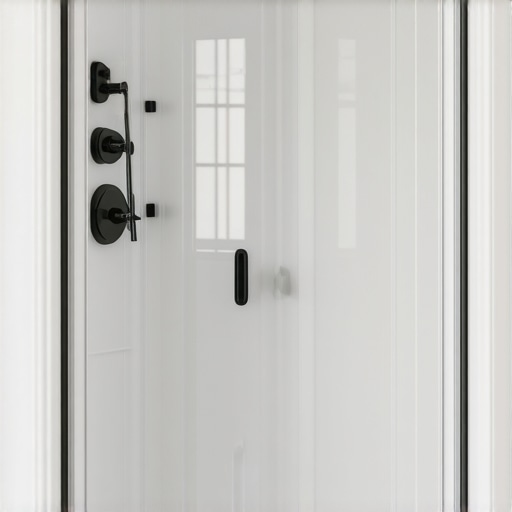
Elevating Bathroom Longevity Through Expert Tile Showers and Baseboards Integration
In the realm of high-end bathroom design, durability remains paramount, especially when considering the longevity of tile showers, grout, and baseboards. Leveraging expert installation techniques not only enhances aesthetic appeal but also fortifies these elements against the rigors of daily use. This comprehensive overview explores advanced insights into maintaining and installing tile and grout systems that withstand time and moisture exposure, ensuring lasting beauty and functionality.
Advanced Material Selection for Resilient Bathroom Environments
Choosing the right materials is the foundation of durability. Natural stones like porcelain and ceramic tiles, combined with high-performance grout formulations, create robust surfaces resistant to cracking and staining. The integration of innovative sealants, such as epoxy-based products, offers superior moisture barriers, essential for shower enclosures. Additionally, selecting moisture-resistant baseboards crafted from PVC or composite materials enhances overall resilience, especially in high-humidity settings.
Strategic Installation Techniques for Long-Lasting Surfaces
Expert installation involves meticulous surface preparation, precise tile placement, and optimal grout application. Employing mechanical fasteners and leveling systems during tile setting ensures flat, even surfaces that reduce stress points. Grout joints must be meticulously sealed with high-quality sealants to prevent water ingress, a common culprit in deterioration. When installing baseboards, experts prioritize proper adhesive selection and anchoring methods to prevent warping or detachment over time.
Maintaining and Restoring Grout and Tile for Enduring Results
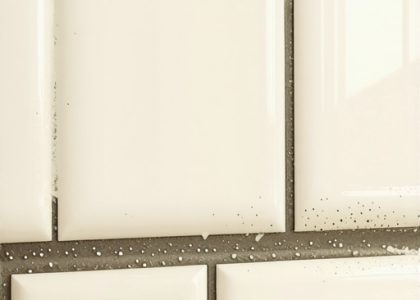
Routine maintenance is essential for preserving the integrity of tile and grout. Professional-grade cleaning with pH-neutral solutions prevents surface damage. Periodic reapplication of sealants, especially in shower areas, extends the lifespan of grout lines. For existing grout that shows signs of wear, expert restoration techniques, such as grout repainting or re-grouting, can rejuvenate surfaces without complete replacement, as detailed in grout restoration insights.
What are the most effective methods for preventing grout cracking under dynamic thermal shifts?
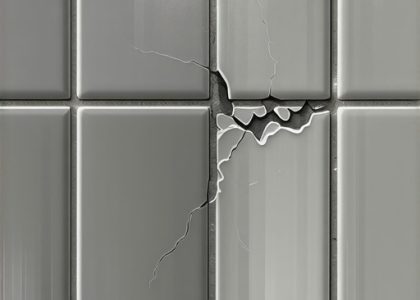
Addressing grout cracking requires understanding thermal expansion and contraction dynamics. Experts recommend flexible, epoxy-based grout, which accommodates movement without cracking. Incorporating expansion joints and ensuring proper substrate preparation further mitigate stress accumulation. Additionally, selecting tiles with compatible thermal coefficients minimizes differential movement, safeguarding grout integrity over the long term.
For those committed to bathroom excellence, exploring modern shower designs and stylish baseboard ideas can elevate space aesthetics while maintaining expert-driven durability standards. Sharing insights and professional experiences through community forums or industry platforms can further refine these practices and contribute to the evolving standards of bathroom resilience and design.
Innovative Sealant Technologies for Unmatched Moisture Protection
In the quest for enduring bathroom surfaces, advanced sealant solutions play a pivotal role. Epoxy-based sealants, known for their superior adhesion and moisture resistance, are transforming how professionals approach grout and baseboard sealing. These sealants not only provide an impermeable barrier but also resist chemical degradation and staining, ensuring surfaces remain pristine over years of use. Incorporating such high-performance products, as recommended in trusted grout solutions, elevates the durability of your bathroom renovation projects.
Precision in Cutting and Placement to Minimize Stress Points
Achieving long-lasting results begins with meticulous craftsmanship. Advanced tile cutting tools, such as wet saws with diamond blades, allow for precise sizing that fits perfectly within designated spaces, reducing stress on grout joints. During installation, employing leveling systems and expansion joints helps absorb movement from thermal shifts and structural settling, preventing cracks and detachment. Proper substrate preparation, including leveling and moisture barrier application, ensures a stable foundation. For expert guidance, consult shower installation protocols that emphasize precision and durability.
Can You Really Prevent All Bathroom Cracks and Stains?
While no method can guarantee absolute prevention, strategic choices in materials, installation, and maintenance significantly reduce the risk of cracks, staining, or deterioration. The key lies in understanding the interplay between material properties and environmental factors. For example, selecting tiles with matching thermal expansion coefficients and using flexible grout formulations can accommodate movement without damage. Regular maintenance, including re-sealing grout lines and inspecting for early signs of wear, extends surface longevity. For comprehensive guidance, explore trusted maintenance tips tailored for durability.
If you’re eager to learn how to implement these advanced techniques effectively, sharing your experiences or asking questions in professional forums can offer invaluable insights. Additionally, discovering innovative eco-friendly tile options at sustainable tile solutions can align durability with environmental responsibility, ensuring your bathroom remains beautiful and resilient for years to come.
Innovating Sealant Applications for Unmatched Moisture Defense
To truly elevate bathroom resilience, integrating cutting-edge sealant technologies is paramount. Modern epoxy and polyurethane-based sealants are revolutionizing moisture management, providing impermeable barriers that resist chemical degradation and staining. These advanced products ensure that grout lines and baseboards remain unaffected by prolonged exposure to humidity and water splashes, thus extending the lifespan of the entire installation. When selecting sealants, professionals prioritize formulations with high flexibility to accommodate substrate movement without cracking, a crucial factor in maintaining long-term integrity. As noted by industry leader Tile Council of North America (TCNA), using high-performance sealant systems is a cornerstone of durable bathroom design, especially in high-moisture zones.
How do innovative sealants adapt to the dynamic movements in bathroom structures?
Innovative sealants incorporate elastomeric properties and superior adhesion qualities, allowing them to stretch and contract with substrate movements caused by thermal shifts or structural settling. These materials typically feature enhanced chemical resistance, ensuring longevity even when exposed to cleaning agents or moisture ingress. Proper application techniques, including surface preparation and curing protocols, are critical for maximizing these benefits. For a detailed guide on sealant selection and application, consult industry standards outlined in the TCNA Handbook.
Precision Cutting and Placement for Stress-Free Installations
Achieving flawless tile and baseboard installations requires mastery over advanced cutting and placement techniques. Utilizing wet saws equipped with diamond blades allows for precise, clean cuts that fit perfectly within designated spaces, reducing stress on grout joints. Incorporating expansion joints is equally vital; these act as controlled flex zones, absorbing thermal and structural movements that could otherwise lead to cracks or detachment. An often-overlooked aspect is the importance of substrate preparation—ensuring surfaces are level, dry, and free of debris minimizes uneven stress distribution. For professional insights, review the comprehensive protocols provided by Canadian Hardwood & Tile Installers Association.
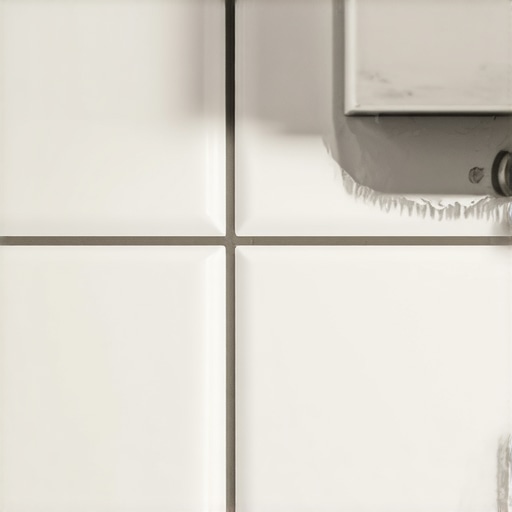
Illustration of advanced tile cutting tools and expansion joints in a bathroom setting, emphasizing precision and flexibility in installation.
Can Modern Materials Completely Eliminate Bathroom Cracks and Stains?
While absolute prevention remains elusive due to environmental variables and material limitations, strategic choices significantly mitigate risks. Selecting tiles with compatible thermal expansion coefficients, employing flexible grout formulations, and ensuring proper substrate conditioning collectively reduce the likelihood of cracks and staining. Routine maintenance, such as re-sealing grout lines and inspecting for early signs of wear, further enhances durability. For those seeking to maximize longevity, exploring innovative materials like nano-enhanced sealants or bio-based grout options could provide additional resilience. Industry research, such as the findings published in the Journal of Construction and Building Materials, underscores the potential of these technologies in extending bathroom surface life.
Engaging with industry professionals, participating in specialized forums, and staying updated on emerging products are excellent ways to refine your approach. If you’re passionate about mastering the art of bathroom durability, consider consulting with experts who can tailor solutions to your specific environment and needs. For eco-conscious upgrades, see the latest sustainable tile solutions at Green Building Advisor for environmentally friendly, high-performance options.
The Science Behind High-Performance Bathroom Tile Materials
In the pursuit of bathroom longevity, selecting cutting-edge materials is paramount. Advanced porcelain composites and engineered stone tiles offer superior resistance to moisture, staining, and cracking. Incorporating nano-technology-enhanced grout formulations further fortifies joints against water ingress and chemical degradation. Notably, high-quality epoxy sealants provide an impermeable barrier, extending the lifespan of grout lines and preventing mold growth. According to the Ceramic Industry Journal, innovations in ceramic surface treatments are revolutionizing bathroom resilience, making professional material selection a vital step in durable design.
Precision Techniques That Elevate Installation Durability
Expert installers leverage state-of-the-art tools such as diamond-tipped wet saws and laser-guided leveling systems to ensure perfect cuts and alignments. These practices minimize stress points that typically lead to cracking. Moreover, employing flexible, high-performance adhesives like polyurethane-based mortars accommodates substrate movement, reducing the risk of detachment. Strategic placement of expansion joints and proper substrate preparation—ensuring surfaces are flat, dry, and free of debris—creates a stable foundation. Industry standards from the National Tile Testing Institute emphasize that meticulous craftsmanship is the backbone of enduring tile installations.
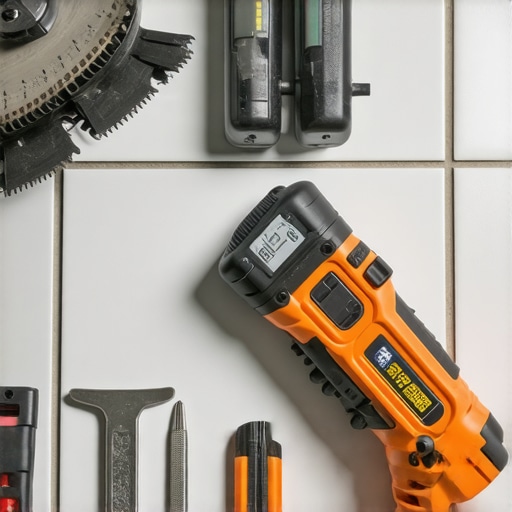
Close-up of a professional tiler using a diamond saw and laser level for precise tile cutting and placement in a bathroom.
How Can Advanced Sealants Adapt to Structural Movements?
Modern sealants, such as elastomeric polyurethane and hybrid polymer formulations, are engineered to stretch and contract in response to thermal fluctuations and substrate shifts. These materials maintain adhesion over years of high humidity and water exposure, resisting cracking and peeling. Proper application—cleaning surfaces thoroughly and curing under recommended conditions—is essential for optimal performance. According to the Tile Letter, selecting sealants with high elongation properties is critical for dynamic environments like bathrooms, where movement is inevitable.
Can Routine Maintenance and Restoration Truly Preserve Your Investment?
While perfect prevention is unattainable, diligent maintenance significantly prolongs the life of bathroom surfaces. Using pH-neutral cleaners and reapplying sealants biannually prevents grout deterioration. For existing grout that shows wear, professional restoration techniques such as grout repainting or re-grouting can rejuvenate surfaces without costly replacements. The HGTV Renovation Guide reports that timely maintenance is the most cost-effective strategy for sustainable bathroom durability.
Innovative Eco-Friendly Materials for Sustainable Bathroom Design
Emerging eco-conscious options, including recycled glass tiles and bio-based grout compounds, marry sustainability with durability. These materials undergo rigorous testing to meet industry standards, ensuring they withstand moisture and daily wear. Incorporating such solutions aligns with LEED certification requirements and supports environmentally responsible renovations. The Green Building Solutions highlights that sustainability and longevity are increasingly intertwined in high-end bathroom projects, encouraging eco-minded design choices that do not compromise durability.
Key Insights from Industry Leaders in Bathroom Surface Durability
Prioritize Material Compatibility to Prevent Cracks
Selecting materials with compatible thermal expansion properties is vital. Experts recommend using porcelain or engineered stone tiles alongside epoxy-based grout to accommodate movement and moisture fluctuations, significantly reducing cracking risk.
Emphasize Precision Installation for Long-Term Success
Meticulous surface preparation, including leveling and moisture barriers, combined with professional-grade tools like diamond saws and laser levels, ensures perfect alignment and minimizes stress points that can lead to deterioration over time.
Adopt Advanced Sealant Technologies for Superior Moisture Resistance
Utilize elastomeric or hybrid polymer sealants that stretch with substrate movements. Proper application and curing are critical to maintain adhesion and prevent water ingress, especially in high-humidity zones like showers.
Implement Routine Maintenance for Surface Longevity
Regular re-sealing with high-quality products and professional grout restoration techniques preserve the integrity of tile and grout, extending the lifespan of bathroom surfaces and avoiding costly repairs.
Integrate Sustainable, High-Performance Materials
Eco-friendly options like recycled glass tiles and bio-based grout compounds are now tested to meet durability standards, offering environmentally conscious solutions without compromising resilience.
Curated Resources for Expert-Level Bathroom Optimization
- Tile Council of North America (TCNA): Industry standards and comprehensive guidelines for tile and grout installation, ensuring adherence to durability best practices.
- Journal of Construction and Building Materials: Cutting-edge research on innovative materials and technologies enhancing bathroom surface longevity.
- Green Building Advisor: Sustainable material options and eco-conscious design strategies that align durability with environmental responsibility.
- National Tile Testing Institute: Certification processes and testing standards for high-performance bathroom tiles and sealants.
Reflection: The Future of Bathroom Surface Durability
Achieving ultimate durability in bathroom design hinges on the expert integration of material science, precise installation techniques, and proactive maintenance strategies. Staying informed through authoritative sources like the TCNA and embracing innovative, sustainable materials will define future standards. For professionals and homeowners alike, engaging with these advanced insights ensures resilient, beautiful, and sustainable bathroom environments. Your next project should embody these principles—explore related resources and share your experiences to elevate industry standards further.

![Shower Tile Rattling? 3 Grout Fixes That Actually Work [2026]](https://elegantfloorz.com/wp-content/uploads/2026/04/Shower-Tile-Rattling-3-Grout-Fixes-That-Actually-Work-2026-420x300.jpeg)
This post highlights some really important points about durability that often get overlooked in typical bathroom renovations. I agree that material choice, especially using epoxy-based sealants and flexible grout, makes a big difference over time. I’ve personally experienced issues with rigid grout cracking after a few years in my previous bathroom, which could have been prevented with more flexible options. The focus on precise installation techniques like proper surface prep and expansion joints really resonates because I’ve seen how neglecting these details leads to costly repairs later on. One thing I’d add is the importance of regular professional inspections to catch early signs of wear before they develop into significant issues. Has anyone found specific eco-friendly materials that outperform standard options in high-moisture environments? I’m keen to explore sustainable solutions that don’t compromise durability—definitely a good direction for future projects.