Revolutionizing Bathroom Aesthetics and Functionality with Advanced Tile and Baseboard Materials
In the evolving landscape of bathroom renovation, selecting the optimal materials for tiles, grout, showers, and especially baseboards, is crucial to achieving both durability and aesthetic appeal. Experts observe a significant shift towards innovative composite materials, with stone-composite baseboards emerging as a formidable choice for 2026 bathrooms. These materials combine the natural elegance of stone with engineered resilience, addressing longstanding issues of moisture exposure and wear that traditional wood or PVC baseboards struggled with.
Deciphering the Complexities of Material Performance in Wet Environments
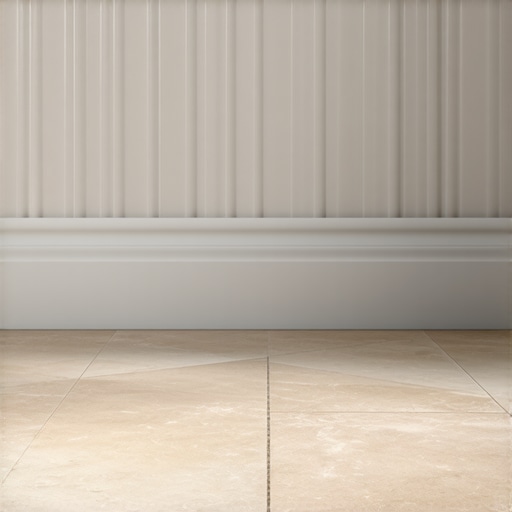
Traditional wooden baseboards, while visually appealing, are prone to warping, mold, and deterioration under constant moisture exposure. PVC, although resistant to moisture, often lacks the premium appearance and can become brittle over time. Stone-composite baseboards leverage bonded stone particles within a polymer matrix, providing an exceptional balance of waterproofing, strength, and refined aesthetics. Their low porosity reduces susceptibility to grout staining and mold proliferation, thereby extending their lifespan and maintaining crisp, clean lines in high-moisture zones.
How Do Stone-Composite Baseboards Influence Shower and Tile Integration Strategies?
The integration of baseboards with surrounding tiles and shower enclosures demands meticulous attention to joint resilience and visual continuity. Expert installers prioritize seamless transitions with matching textures and colors, leveraging the adaptability of stone-composite materials to create cohesive designs. This approach minimizes grout stress points and enhances the structural integrity of shower surrounds, making repairs or replacements less frequent. For insights into specific installation techniques, visit the trusted shower grout care tips.
Innovative Design Tips for Incorporating Baseboards that Elevate Bathroom Luxury
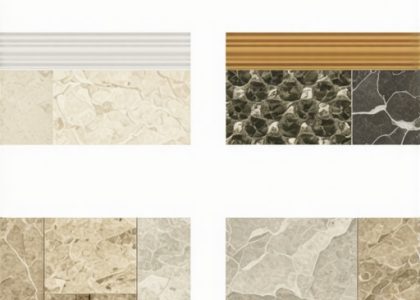
In 2026, bathroom aesthetics extend beyond mere functionality to encompass design philosophies rooted in sustainable luxury. Stone-composite baseboards offer a palette of customizable finishes—mimicking natural stone, polished concrete, or textured ceramics—allowing architects to craft nuanced spatial narratives. Pairing these with trendy tile choices—such as large-format porcelain or textured mosaics—can dramatically enhance visual harmony. For a broader exploration of stylish baseboard options, explore baseboard makeover ideas.
What Are the Key Challenges in Maintaining Advanced Tile and Baseboard Systems?
While stone-composite baseboards excel in resisting moisture and staining, their maintenance requires specialized knowledge to preserve their appearance. Regular cleaning with non-abrasive, pH-neutral solutions prevents surface degradation. Furthermore, sealing joints with quality grout sealants—like those discussed here—protects against grout deterioration and water ingress. Open questions about long-term performance invite ongoing professional discourse, emphasizing the importance of expert guidance in tile and baseboard upkeep.
Can Industrial-Grade Materials Outperform Traditional Choices in High-Humidity Settings?
Given the relentless moisture cycles in bathrooms, the debate persists about whether advanced composite materials genuinely outperform even the most resilient traditional options. Industry research, such as the comprehensive analyses found in the Journal of Building Engineering, suggests that stone-composite baseboards significantly mitigate common failure modes, leading to lower lifecycle costs and enhanced user satisfaction.
For professionals interested in maximizing durability and design flexibility, exploring the latest in composite material science is indispensable. Engage with industry peers through forums or contribute your insights at our contact page, where detailed discussions on innovative bathroom solutions are ongoing.
Bold Design Choices for Statement-Making Bathroom Renovations
As bathroom aesthetics evolve, integrating standout elements like eco-friendly tiles with innovative grout solutions becomes essential. Sustainable materials such as recycled glass or porcelain derived from industrial waste are gaining popularity, aligning with the broader trend toward eco-conscious living. Such choices not only elevate visual appeal but also promote environmental responsibility. For inspiration on incorporating these trends, visit eco-friendly tile options for sustainable homes in 2025.
The Role of Advanced Grout Technologies in Long-Lasting Bathrooms
Traditional grout inevitably faces challenges like discoloration, staining, and cracking over time. However, the advent of UV-resistant, antimicrobial, and flexible grout formulations revolutionizes maintenance and durability. These innovations significantly reduce the frequency of re-grouting and simplify cleaning routines. For a comprehensive guide on optimizing grout longevity, explore trusted grout sealant solutions.
Incorporating Smart Technology into Bathroom Materials—Is It Worth It?
Emerging smart features—such as heated tile floors that can be controlled via mobile apps or moisture sensors integrated into baseboards—are redefining bathroom comfort and functionality. These systems not only enhance user experience but can also contribute to energy efficiency. Yet, their integration demands careful planning regarding electrical safety, durability, and connectivity. For insights on smart bathroom innovations, visit modern shower designs for 2025.
How Can Professionals Balance Cutting-Edge Technology with Proven Durability in Bathroom Upgrades?
Striking the right balance involves selecting materials and systems that have proven long-term resilience while embracing innovative features. Experts advocate for rigorous testing of new products under real-world conditions and engaging with trusted manufacturers who prioritize durability. Consider consulting the detailed findings in industry research articles to inform decisions. Incorporating reliable technological enhancements ensures a harmonious blend of modernity and longevity, securing investments in bathroom renovations.
If you’re seeking expert advice on integrating the latest materials and technologies into your bathroom project, reach out through our contact page to connect with seasoned professionals dedicated to innovative and durable results.
,
Pioneering Sealant Innovations for Moisture-Resistant Bathrooms
Recent advancements in sealant chemistry have introduced multi-layered formulations that offer unprecedented resistance against water ingress, mold proliferation, and chemical degradation—crucial in ensuring the longevity of high-moisture environments like bathrooms. These next-generation sealants combine silane-siloxane copolymer matrices with nano-filler reinforcements, creating a resilient barrier that exhibits self-healing properties when minor cracks form, thereby reducing maintenance downtime and costs.
What Are the Molecular Mechanics Behind Self-Healing Sealants?
Self-healing sealants operate on a sophisticated polymer network capable of reversible bonds at the molecular level. When microcracks occur due to thermal expansion or mechanical stress, these bonds re-establish through reversible covalent interactions or supramolecular assemblies, effectively sealing gaps before water penetrates. This innovative mechanism aligns with findings published in the Nano Letters journal, which details the chemistry behind such responsive materials. Embracing these technologies could revolutionize routine bathroom sealing practices, especially in areas prone to frequent moisture fluctuations.
Engineering Material Layers for Optimal Moisture Barrier Performance
Designing a multi-layered barrier system involves strategic stacking of materials with complementary properties—each layer serves a specific purpose: vapor diffusion control, adhesion enhancement, and mechanical reinforcement. For example, combining a permeable microporous membrane with a hydrophobic, flexible polymer layer ensures water vapor can escape without silicone or grout degradation. Additionally, incorporating inorganic nanocoatings enhances the surface hardness, reduces biofilm accumulation, and maintains aesthetic integrity over prolonged periods.

Visualize a cross-section diagram illustrating multi-layered sealant deployment within tile joints, highlighting the distinct functions of each layer in moisture prevention.
The Future of Material Customization in Bathroom Environments
Advanced material engineering not only focuses on performance but also on aesthetic adaptability. Researchers are developing customizable nanostructured coatings capable of mimicking natural stone textures or matte ceramics, enabling architects and homeowners to achieve personalized interiors without compromising durability. The integration of smart sensor coatings, which can detect and signal early signs of sealant failure or moisture breaches, marks another leap toward intelligent bathroom environments. Exploring these cutting-edge options requires an understanding of nanotechnology, polymer science, and IoT integration—a multidisciplinary approach that only a handful of specialists have mastered.
What Role Do Computational Models Play in Predicting Sealant Lifecycle?
Predictive modeling leverages finite element analysis (FEA) and molecular dynamics simulations to forecast how sealants respond under varying environmental stressors over time. By inputting parameters such as temperature fluctuations, humidity cycles, and mechanical loads, engineers can simulate degradation pathways and optimize formulations before field application. These models, validated against accelerated aging tests, provide significant insights into sealing system reliability and help tailor materials to specific climate zones, thereby reducing unforeseen failures. As detailed in the Construction and Building Materials journal, the integration of computational simulation is transforming material design paradigms.
Harnessing Nano-Coatings to Elevate Bathroom Material Resilience
Recent advancements in nanotechnology have led to the development of ultra-thin, multifunctional coatings that can be applied to tiles, grout, and baseboards, imparting enhanced hydrophobicity, antimicrobial properties, and scratch resistance. These nano-coatings form an invisible barrier at the molecular level, significantly extending the lifespan of bathroom surfaces and simplifying maintenance routines. Experts highlight that incorporating such technologies can reduce the frequency of repairs, preserve aesthetic integrity, and contribute to healthier indoor environments.
Can Computational Fluid Dynamics Transform Shower Enclosure Designs?
Applying computational fluid dynamics (CFD) simulations allows designers and engineers to optimize the aerodynamics and water flow patterns within shower enclosures. By modeling complex interactions between water spray, vapor, and surface geometries, professionals can identify configurations that minimize water accumulation, reduce fogging, and improve drying efficiency. This precision-driven approach not only enhances user comfort but also prevents issues like mold growth and surface corrosion, aligning with sustainable design principles.
How Does Smart Material Integration Fine-Tune Bathroom Environmental Control?
The integration of smart, responsive materials—such as thermochromic tiles that change color with temperature or moisture-sensitive baseboards that signal potential leaks—ushers in a new era of interactive bathroom spaces. These intelligent systems provide real-time feedback, enabling homeowners and contractors to address issues proactively, thereby minimizing damage and fostering energy-efficient climate management. For instance, sensors embedded within flooring materials can detect humidity spikes, triggering automated ventilation adjustments that prevent mold proliferation.
The Art and Science of Adaptive Lighting for Moisture-Prone Zones
Advanced lighting solutions utilizing circadian rhythm principles and moisture-resistant LEDs contribute to healthier, more inviting bathrooms. Incorporating color temperature controls and motion sensors can create dynamic ambiances while reducing energy consumption. Moreover, integrating these lighting systems with sensor networks allows for adaptive brightness and color adjustments based on real-time environmental parameters, ensuring optimal visibility and mood setting without compromising longevity or safety.
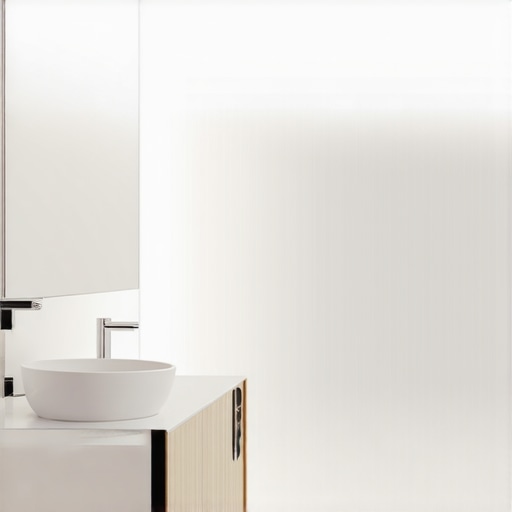
Illustration of a bathroom with integrated smart lighting, moisture sensors, and nano-coated surfaces demonstrating the convergence of technology and material innovation.
Embracing Bio-Inspired Materials for Enhanced Hygiene and Sustainability
Drawing inspiration from nature, researchers are developing bio-mimetic materials that inherently possess self-cleaning, antimicrobial, and moisture-regulating properties. Examples include surfaces modeled after lotus leaves, which repel water and dirt, and shark skin mimetics that inhibit bacterial colonization. Such materials can dramatically reduce the need for chemical cleaning agents, promoting eco-friendly practices and maintaining pristine bathroom environments over extended periods.
What Are the Benefits of Modular, Reconfigurable Bathroom Components?
Modular systems—comprising prefabricated, reconfigurable tiles, baseboards, and shower panels—offer unparalleled flexibility for renovations and repairs. Designed with interlocking mechanisms and standardized sizes, these components facilitate quick installation, effortless upgrading, and tailored aesthetic combinations. Advanced versioning includes integrated features like embedded heated channels or customizable surface textures, empowering designers and homeowners to craft personalized yet practical spaces that adapt over time.
Is Augmented Reality Changing the Way Professionals Visualize Bathroom Renovations?
Augmented reality (AR) tools enable stakeholders to virtually overlay material selections, component placements, and lighting schemes within existing bathroom spaces. This immersive visualization technique enhances decision-making accuracy, minimizes costly errors, and fosters collaborative design processes. As AR technology becomes more accessible and precise, it is poised to redefine client engagement and project planning in high-end bathroom renovations, supported by efforts documented in specialized industry reports such as the Journal of Construction Engineering and Management.
Expert Insights & Advanced Considerations
Durability Demands Innovative Solutions in Moisture-Rich Environments
In high-humidity bathrooms, traditional materials often fall short, prompting experts to advocate for composite solutions like stone-based baseboards which combine resilience with aesthetic appeal, ensuring long-term performance without compromising style.
Sealing Technologies Are Shifting Toward Self-Healing Properties
Advancements at the molecular level have led to sealants capable of autonomously repairing micro-cracks, dramatically reducing maintenance frequency and enhancing moisture barriers in vulnerable joint areas.
Customization Meets Sustainability in Material Development
Emerging nanostructured coatings allow for personalized textures and colors that imitate natural stone, supporting bespoke designs while offering durability and environmental benefits in line with eco-conscious building trends.
Integrated Smart Features Are Becoming Standard
Bathroom materials now incorporate sensors that monitor humidity or detect leaks, transmitting data to smart home systems and enabling proactive maintenance for prolonged surface integrity and hygiene.
Computational Modeling Guides Material Optimization
Simulations such as finite element analysis help predict material longevity under varied conditions, empowering professionals to select components that balance aesthetics with performance, reducing costly failures.
Curated Expert Resources
- Construction and Building Materials Journal: Offers cutting-edge research on nanocoatings, polymer composites, and molecular self-healing technologies specific to bathroom environments.
- Nano Letters: Features in-depth studies on smart, responsive materials with applications in moisture barriers and sealants for resilient bathroom surfaces.
- Industry Symposium on Sustainable Materials: Provides consensus on integrating nanotechnology and biomimicry into eco-friendly, durable bathroom materials.
- Smart Home Integration Reviews: Guides on embedding sensors into building materials for real-time water ingress detection and environmental monitoring.
Final Expert Perspective
For those committed to advancing bathroom aesthetics and functionality, embracing innovative composite materials, self-healing sealants, and integrated smart technologies is essential. These developments not only elevate design possibilities but also ensure resilient, sustainable spaces that withstand the test of time. Engage with leading research and tools such as our design guides and modern shower ideas to stay ahead in this transformative industry. Your journey toward a future-proof bathroom starts now—collaborate with experts, leverage advanced resources, and push beyond traditional boundaries for exceptional results.