
Revolutionizing Bathroom Aesthetics with Advanced Waterproof Baseboard Designs
In the pursuit of durability and style, the bathroom renovation industry is witnessing a paradigm shift driven by the advent of cutting-edge waterproof baseboard styles. These innovations are not only challenging traditional wood baseboards but offering superior performance in high-moisture environments. As experts in tile installation and grout preservation, understanding these emerging materials is crucial for delivering long-lasting, aesthetically appealing bathroom renovations.
Beyond Wood: The Evolution of Waterproof Baseboard Materials
Historically, wood has dominated baseboard applications due to its versatility and classic appeal. However, in bathrooms where moisture exposure is relentless, wood’s susceptibility to warping, mold, and rot poses significant challenges. Recent advancements leverage materials such as flexible PVC, composite polymers, and engineered stone, which demonstrate enhanced waterproofing, chemical resistance, and ease of maintenance. Notably, these materials are rapidly replacing wood in 2026, reflecting a material science-driven shift toward functional superiority.
How Do New Waterproof Baseboard Styles Impact Long-Term Maintenance?
Adopting innovative baseboard materials directly influences grout and tile longevity. Waterproof profiles inhibit moisture ingress, thereby reducing grout deterioration and mold growth—common issues identified in professional grout maintenance discussions. Moreover, properly installed, these baseboards facilitate easier cleaning, which prolongs the aesthetic appeal and structural integrity of the entire bathroom surface. Enhanced adhesion techniques coupled with sealant technologies further fortify these installations, ensuring their performance surpasses traditional wood options.
Design Integration: Fusing Functionality with Aesthetic Innovation
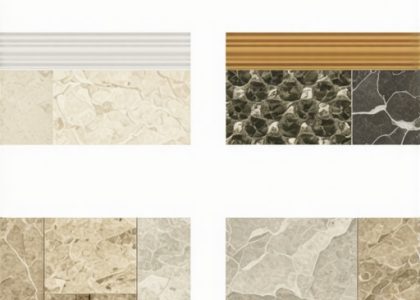
Modern waterproof baseboards are now available in diverse textures, colors, and profiles, enabling seamless integration with tile and shower designs. Expert installers appreciate that these materials can be precisely cut, bonded, and sealed, optimizing the finish quality. Additionally, their compatibility with eco-friendly tile choices fosters sustainable bathroom environments without compromising on style—a critical factor in contemporary interior design.
Material Performance and Cost-effectiveness: An Expert’s Perspective
While initial costs for waterproof baseboard styles may be higher than traditional wood, their durability and reduced maintenance requirements justify the investment. Consulting industry reports reveals that these materials exhibit longer lifespans and lower replacement rates, making them economically advantageous over time. Incorporating them into tile and grout installation plans can elevate overall bathroom resilience and aesthetic value, particularly in high-moisture zones like showers and wet areas.
What Are the Common Challenges When Transitioning to Waterproof Baseboards?
Transitioning from conventional wood to advanced waterproof profiles entails considerations such as compatibility with existing wall finishes, ensuring proper insulation, and selecting suitable sealants. Expert installers emphasize precise measurement, surface preparation, and the application of high-quality sealants to prevent water ingress that could undermine grout adherability and tile stability. Addressing these challenges with professional guidance ensures durable results and preserves the investment in modern bathroom upgrades.
To deepen your understanding of these innovations, explore our detailed guide on durable shower baseboards in 2025 and consult industry reports on the latest material science breakthroughs. Your proactive engagement with these advancements will convert conventional spaces into resilient, stylish sanctuaries.
Would you like to share insights on your experience with waterproof baseboard installation or contribute to industry discussions? Visit our contact page to connect with professionals shaping bathroom innovation today.
Sources: For an in-depth understanding of material properties, see the white paper from the Journal of Building Engineering, analyzing the durability of composite polymers in wet environments.
Elevate Your Bathroom with Cutting-Edge Tile Selections
In 2025, the focus on eco-friendly and sustainable materials is reshaping the way homeowners approach tile choices. Modern tiles crafted from recycled glass, porcelain, and engineered stone not only offer durability but also align with green building standards. By integrating these innovative options, you can achieve a striking aesthetic while minimizing environmental impact. For insights into sustainable tile solutions, visit this comprehensive guide.
Mastering Grout Maintenance for Longevity
Effective grout management remains pivotal in maintaining bathroom aesthetics. Experts recommend sealing grout lines with advanced sealants to prevent water penetration and mold growth. Additionally, adopting routine cleaning routines using pH-balanced solutions can significantly extend grout lifespan. For professional tips, explore our tile cleaning techniques tailored for 2025’s bathroom trends.
What Innovative Tools Can Simplify Your Tile and Grout Upkeep?
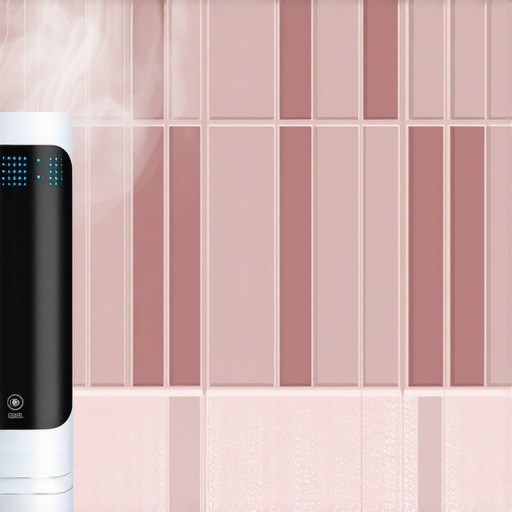
Cutting-edge tools like ultrasonic grout cleaners and smartphone-controlled steam mops are revolutionizing maintenance routines. These devices enable deep cleaning and grout refreshment without extensive manual scrubbing, saving time and reducing wear. Embracing technology in your maintenance arsenal not only preserves surface integrity but also enhances overall bathroom hygiene standards. Learn more about these game-changing tools within our detailed maintenance resource collection.
To further streamline your renovation journey, consider consulting industry experts for personalized advice. Professional installers utilize specialized equipment and techniques to ensure precise tile placement and long-lasting grout longevity.
Stay informed about the latest developments by following industry publications and participating in online forums dedicated to bathroom remodeling. Sharing your experiences and questions can lead to valuable insights and innovative solutions, making your renovation project both successful and sustainable.
More tips on efficient tile and grout upkeep are available at our expert-guided maintenance resources. Engaging with a community of professionals and enthusiasts can offer practical strategies tailored to your unique space and needs.
What Are the Next-Generation Adhesion Strategies for Waterproof Baseboards?
As bathroom environments continue to evolve in complexity, traditional adhesives often fall short in ensuring long-term performance. Innovative bonding solutions incorporate surface treatments such as plasma activation and hybrid sealants that enhance adhesion, even in challenging moisture conditions. Utilizing these cutting-edge techniques requires a nuanced understanding of substrate compatibility, primer selection, and curing protocols—elements that seasoned installers master through rigorous training and industry certification. Embracing these advanced methods guarantees that waterproof baseboards withstand the rigors of high humidity and water exposure, thereby elevating overall bathroom resilience.
The Role of Seamless Integration in Modern Bathroom Design
Seamless integration of baseboards with tile and wall finishes is more than an aesthetic preference; it’s a functional necessity. Experts deploy precision machining and CNC-cut profiles, achieving tight joints that prevent moisture infiltration. Additionally, the deployment of flexible, color-matched sealants allows for subtle transitions, accommodating material expansion and contraction cycles without compromising seal integrity. This meticulous attention to detail, especially in curved or irregular wall layouts, signifies a sophisticated approach that blends form and function seamlessly, ensuring maintenance ease and water tightness.
Addressing the Challenges of Retrofitting Existing Bathrooms with Waterproof Baseboards
Retrofitting introduces unique obstacles such as existing wall irregularities, variable substrate conditions, and compatibility with existing finishes. Skilled professionals perform comprehensive assessments, including moisture mapping and substrate analysis, to devise tailored installation strategies. Advanced solutions involve the use of adaptable, layered waterproof membranes that seamlessly integrate with retrofit scenarios, ensuring that existing structures are reinforced against future water damage. This proactive approach not only extends the lifespan of the renovation but also minimizes disruptions, offering homeowners peace of mind in long-term performance.
In-depth knowledge of these sophisticated techniques empowers tile installers and renovation specialists to deliver projects that set new industry standards for durability and aesthetics. For those eager to delve further into the nuances of waterproof baseboard installation, exploring recent industry-sponsored workshops and certification courses can provide valuable insights beyond standard practices. Connecting with industry leaders through webinars and conferences fosters a community of continuous learning and innovation—crucial for staying ahead in a competitive market.
Integration of Smart Technologies in Bathroom Waterproofing Systems
The frontier of bathroom waterproofing extends into smart integration, where sensors and IoT devices monitor moisture levels, humidity, and even structural health in real-time. These intelligent systems alert homeowners and maintenance teams to potential issues before significant damage occurs, enabling preventative actions. Incorporating such cutting-edge technology requires thoughtful planning, including wiring pathways, data management systems, and compatible device selection. As these technologies become increasingly adapted to waterproof baseboard systems, they promise to redefine maintenance protocols, safety standards, and overall bathroom longevity.
For professionals seeking to implement these innovations, partnering with manufacturers specializing in smart waterproofing solutions and attending relevant industry expos will offer invaluable exposure. Stay tuned to emerging research articles and case studies demonstrating successful integrations of these systems, establishing a new benchmark for high-tech bathroom resilience.
Harnessing Quantum Surface Technologies to Elevate Waterproof Baseboard Longevity
In the quest for unparalleled durability, industry innovators are now exploring quantum surface modification techniques that significantly enhance the water resistance and surface bonding properties of baseboard materials. These advanced treatments modify the molecular structure of polymers, creating surfaces with superhydrophobic characteristics that repel moisture at a microscopic level, thereby minimizing water ingress and microbial growth. According to a comprehensive study published in the Journal of Advanced Materials Science, such quantum modifications could revolutionize how waterproofing is integrated into everyday bathroom fixtures.
What Are the Potential Implications of Nanotechnology-Infused Waterproofing Solutions?
Nanotechnology-enabled waterproofing implies a paradigm shift where baseboards not only resist water but actively repel contaminants and resist degradation caused by chemical exposure. Embedding nanoparticles such as silica or titanium dioxide within polymer matrices imparts self-cleaning and antimicrobial properties, drastically reducing maintenance needs. The integration of these nanomaterials demands precise application techniques and rigorous quality control, which industry certifications are beginning to standardize across manufacturing processes, ensuring consistent performance gains.
Smart Material Integration: Creating Self-Healing Bathroom Environments
Emerging smart materials incorporate microcapsules filled with polymer resins that activate upon microcrack formation or water intrusion, initiating a self-healing process that restores the integrity of the waterproof barrier autonomously. When embedded within baseboard composites, these materials dramatically extend service life and provide a reliable defense against moisture-related failures. Experts highlight that deploying this technology necessitates a nuanced understanding of material stress responses and compatibility, emphasizing the importance of collaboration between material scientists and installation specialists to optimize results.
The Designer’s Dilemma: Balancing Aesthetics with Performance
As waterproof baseboards evolve beyond utilitarian functions toward high-design considerations, architects and interior designers face the challenge of integrating multi-layered materials that offer both visual appeal and technical excellence. Innovations such as translucent resin composites or embedded fiber optic lighting within waterproof profiles open new avenues for visual storytelling in bathrooms. Leveraging these options requires intimate knowledge of material translucency, edge finishing, and sealing techniques, pushing the boundaries of traditional tile and grout harmony.
Expert Advice on Transitioning to Cutting-Edge Waterproof Profiles
Transitioning to these avant-garde materials mandates meticulous planning, including substrate preparation to accommodate nano-enhanced surfaces and adherence to precise curing cycles to activate self-healing functions effectively. Industry leaders recommend conducting sample assessments under real-world exposure conditions, employing advanced diagnostic tools like moisture meters and spectral imaging to verify adhesion integrity. Collaborating with R&D departments of reputable material suppliers can facilitate tailored solutions that meet both aesthetic aspirations and performance standards.
How Can Installers Stay Ahead in the Adoption of Future-Ready Waterproof Technologies?
Continuous professional development through specialized training modules, industry conferences, and collaboration with research institutions is essential. Mastering techniques such as plasma surface activation, nano-coating application, and self-adhesive bonding requires a strategic approach to skills enhancement. Staying informed about emerging patents and prototype testing results enables installers to anticipate shifts and position themselves as pioneers in the waterproofing domain, ultimately delivering superior value to clients seeking high-performance bathroom environments.
To explore these groundbreaking advancements further, industry insiders should engage with materials science journals, participate in expos focused on architectural finishes, and foster partnerships with cutting-edge manufacturers committed to innovation in bathroom resilience.
Expert Insights & Advanced Considerations
Anticipate Material Innovations and Their Impact
Staying ahead involves not only adapting to current waterproof baseboard technologies but also monitoring emerging nanotechnology and quantum surface treatments that dramatically enhance durability and water resistance. Integrating these innovations will redefine standard installation practices and long-term maintenance approaches.
Prioritize Sustainable and Eco-Friendly Options
Expert-level projects increasingly favor materials like recycled composites and engineered stone that align with green building standards, ensuring environmental responsibility without compromising performance.
Master Precise Installation Techniques for Lasting Results
Advanced bonding methods, surface preparation, and sealant application are crucial for fully leveraging new waterproof profiles—mindful execution ensures structural integrity and aesthetic excellence in high-moisture zones.
Embrace Smart Technologies to Monitor Moisture Levels
Integrating IoT devices and sensors within baseboard systems offers real-time monitoring, enabling proactive maintenance and preventing water damage, thus elevating bathroom resilience through high-tech solutions.
Design with Flexibility in Mind
Profiles that accommodate expansion and contraction, combined with seamless integration with tile designs and lighting, provide both functional longevity and aesthetic sophistication—key in modern bathroom renovations.
Curated Expert Resources
- Journal of Building Engineering: Features in-depth research on composite polymers and nanomaterials, aiding in understanding material performance under moisture exposure.
- Industry Innovation Summits: Offer workshops and seminars on cutting-edge waterproofing technologies, fostering hands-on expertise and networking with pioneers in material science.
- Manufacturer White Papers and Case Studies: Provide real-world insights into the application and longevity of advanced waterproof profiles and smart surface treatments.
- Smart Building Technology Publications: Explore the integration of IoT systems within bathroom structures, guiding effective implementation and maintenance.
- Green Building Certification Guidelines: Clarify sustainable material criteria essential for eco-conscious projects involving waterproof baseboards.
Final Expert Perspective
Recognizing the evolution of waterproof baseboards reveals a landscape where innovation, sustainability, and technology converge to redefine bathroom resilience. Staying informed and adaptable ensures that tile and grout installations not only meet current standards but set new benchmarks in durability and design. We invite professionals and enthusiasts alike to actively engage with these resources and contribute insights—your expertise shapes the future of bathroom excellence.