The Evolution of Baseboard Integration in Contemporary Shower Designs
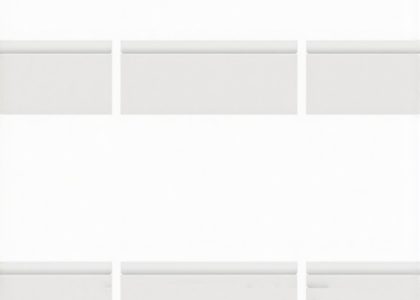
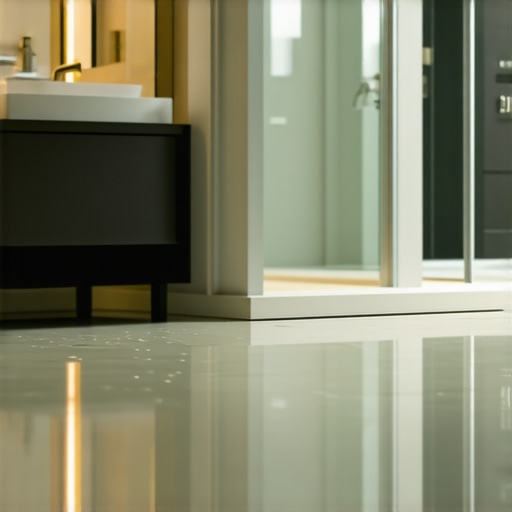
As bathroom aesthetics and functional durability become increasingly intertwined, the role of baseboards—particularly recessed variants—has surged in importance within high-end and modern wet room configurations. Expert insight indicates that the strategic integration of recessed baseboards into shower environments not only elevates the visual integrity but significantly enhances the longevity of tile and grout systems, addressing longstanding concerns about moisture infiltration and maintenance complexities.
Why Recessed Baseboards Outperform Traditional Mouldings in Humid Conditions
Conventional baseboard installations often face challenges in moist environments, primarily due to their exposure to water splashes and humidity fluctuations that lead to swelling, warping, and eventually, failure. Recessed baseboards, designed to sit flush within wall cavities or below tile surfaces, minimize direct water contact and provide a seamless transition between tile surfaces and wall finishes. This design reduces the accumulation of grime and mold, facilitating easier cleaning—elements detailed in authoritative sources like the trusted expert grout maintenance tips.
Material Innovations and Their Impact on Shower Durability
Modern materials such as PVC, composite polymers, and waterproofed wood alternatives are revolutionizing baseboard choices. In wet room contexts, these materials resist rot, mold, and warping much more effectively than traditional timber, providing a resilient framework that sustains both aesthetic fidelity and functional integrity over decades. This paradigm shift is underpinned by research from leading industry publications emphasizing the long-term advantages of these innovations.
Design Considerations for Expert-Grade Shower Environments
Effective implementation requires careful planning around grout lines, sealing techniques, and installation methods. The use of high-quality sealants and proper insulation of recessed elements prevents moisture penetration behind tiles. Experts often recommend the meticulous application of [grout restoration methods](https://elegantfloorz.com/grout-restoration-secrets-for-long-lasting-results) to maintain the appearance and seal integrity of tiled surfaces adjacent to recessed baseboards.
Do recessed baseboards compromise accessibility or maintenance in wet spaces?
Contrary to common concerns, expert installations are tailored to facilitate cleaning and repairs. By choosing materials with non-porous finishes and employing accessible designing techniques, maintenance becomes straightforward, avoiding the pitfalls associated with protruding mouldings. This approach underscores the strategic benefits of recessed baseboards in achieving both aesthetic coherence and practical longevity.
Transforming Spaces Without Compromise: The Future of Bathroom Design
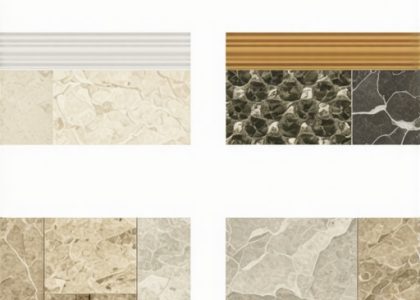
Integrating recessed baseboards exemplifies the broader movement toward minimalistic, yet highly durable, bathroom environments. As homeowners and designers push boundaries with innovative tile patterns and shower architectures—such as trendy corner showers or mosaic accents—the baseboards serve as a unifying element that balances style, function, and resilience.
What advanced sealing technologies ensure that recessed baseboards withstand the rigors of daily moisture exposure?
In-depth analysis suggests that the application of acrylic or epoxy-based sealants, combined with waterproof backer boards and moisture-resistant adhesives, offers robust protection. For more insights, [trust our expert tips](https://elegantfloorz.com/trust-our-expert-tips-for-durable-shower-tile-grout-maintenance) on grout and tile maintenance, which dovetail with baseboard longevity strategies.
For any professional venturing into high-moisture environments, exploring [tile solutions tailored for sustainable homes](https://elegantfloorz.com/eco-friendly-tile-solutions-for-sustainable-homes-in-2025) can offer additional benefits regarding environmental resilience and compliance with emerging regulations. To share your expertise or seek tailored advice, contact our team for specialized consultation.
Reimagining Baseboard Materials for Maximum Moisture Resistance
While PVC and composite polymers have revolutionized shower baseboards, ongoing material advancements continue to push the envelope. Researchers highlight that nanocoating technology, applied to traditional materials, offers unparalleled water repellency and microbial resistance, further extending the lifespan of bathroom fixtures. Selecting baseboards embedded with such cutting-edge coatings not only enhances visual appeal but also simplifies maintenance, reducing the frequency of deep cleaning routines.
Optimizing Installation Techniques for Flawless Results
Proper installation is critical to ensure the longevity of recessed baseboards, especially in high-moisture environments. Professionals emphasize the importance of securing moisture barriers and employing precise, level mounting techniques to prevent water ingress behind tiles. Incorporating adjustable mounting brackets can accommodate uneven wall surfaces, ensuring a seamless integration that withstands everyday humidity fluctuations. For a detailed guide, consult our comprehensive expert installation tips.
Can smart technology redefine moisture control in bathroom design?
Emerging smart solutions, such as sensor-activated ventilation and humidity monitors, are transforming how bathrooms manage moisture levels. These systems proactively reduce humidity, preventing mold growth and material degradation. Integrating such technologies with recessed baseboard installations can create an intelligent bathroom environment, promoting both hygiene and structural integrity. For insights into these innovations, explore eco-friendly tile solutions and smart tech.
Share your bathroom renovation experiences or ask for personalized recommendations in the comments below—let’s elevate your space together!
Innovative Sealing Solutions: Elevating Moisture Resistance with Cutting-Edge Technologies
As bathroom environments become increasingly sophisticated, the adoption of advanced sealing technologies plays a pivotal role in extending the lifespan of recessed baseboards. Modern sealants such as epoxy-resin based compounds, combined with waterproof backer boards, create a formidable barrier against moisture ingress. Polymer-modified cementitious sealants further enhance adhesion and flexibility, accommodating thermal expansion and contraction cycles common in humid areas. For professionals seeking comprehensive guidance, exploring industry standards set by the ASTM International provides valuable benchmarks for sealant selection and application techniques.
How Do Microbial-Resistant Coatings Transform Bathroom Hygiene?
Beyond traditional water resistance, antimicrobial coatings embedded with silver nanoparticles or copper ions are revolutionizing bathroom fixture longevity. These coatings inhibit bacterial and mold proliferation on surface layers, significantly reducing maintenance needs and health risks. Integrating such technology into baseboard materials, especially those with nanocoatings, ensures a hygienic environment while maintaining aesthetic harmony. A recent study published in the Journal of Coatings Technologies & Research details the microbial resistance mechanisms and their practical applications.
Customize Your Space: The Intersection of Material Science and Design Flexibility
Marrying material science innovations with design flexibility opens a new frontier for bathroom aesthetics. Modular baseboard systems composed of lightweight, durable composites enable installers to achieve precise, flush finishes even in complex layouts or irregular wall surfaces. Moreover, the advent of customizable nanocoatings allows for pigment integration, enabling the creation of tailored color palettes without sacrificing water repellency. Such advancements affirm that functionality and style are no longer mutually exclusive but synergistic in high-end wet room design.
Addressing Accessibility and Maintenance in Recessed Installations
While recessed baseboards are generally favorable for moisture management, consideration must be given to accessibility for ongoing maintenance and repair. Incorporating removable panels or service ports into recessed systems facilitates routine cleaning and quick repairs without extensive demolition. An innovative approach involves utilizing magnetic or snap-fit components that can be detached effortlessly, streamlining maintenance routines and minimizing potential damage. These strategies align with universal design principles aimed at accommodating users with varying needs and technical capabilities.
The Future of Baseboard Materials: Nanotechnology and Sustainable Innovations
The trajectory of material advancements points toward integrating nanotechnology to imbue baseboards with multifunctional properties. For instance, nanocoatings with self-cleaning, UV-resistant, and microbial-repellent attributes can dramatically reduce long-term upkeep costs. Simultaneously, eco-conscious material development prioritizes biodegradable composites and recycled content, ensuring environmental sustainability alongside durability. Industry leaders are actively researching bio-based polymers reinforced with nanostructures to achieve this balance, promising a future where bathroom fixtures are both resilient and responsible.
Implementing Flawless Installation Techniques: Expert Secrets
Achieving perfection in recessed baseboard installation involves meticulous preparation—levelling surfaces, securing moisture barriers, and selecting compatible adhesives are essential steps. Employing laser-guided tools ensures precise alignment, reducing installation errors that compromise water resistance. Additionally, calibrating mounting brackets to accommodate uneven walls prevents stress concentration points that could lead to cracks or detachment over time. For a comprehensive overview, consult the detailed procedures outlined in the installation manual by our experts.
Can Smart Technologies Revolutionize Moisture Management in Wet Rooms?
Emerging smart solutions offer unprecedented control over bathroom humidity levels. Devices like IoT-enabled hygrometers and automatic exhaust fans intelligently adjust airflow based on real-time data, preventing excess moisture accumulation. When integrated with recessed baseboard systems, these smart devices create a dynamic environment that proactively sustains optimal conditions, thereby extending the lifespan of materials. As the Internet of Things (IoT) continues to evolve, embracing these innovations positions professionals at the forefront of sustainable and healthy bathroom design. For instance, companies like ecobee are pioneering smart ventilation solutions tailored for high-moisture environments.
Interested in elevating your bathroom project with smart moisture control? Reach out to our experts for tailored advice and innovative solutions!
Revealing the Hidden Power of Material Microstructures in Shower Baseboards
Beyond surface-level durability, advanced material science reveals that manipulating microstructures within baseboard materials can dramatically influence water repellency and microbial resistance. By engineering nanoporous layers or incorporating micro-textured surfaces, manufacturers achieve a self-cleaning effect that minimizes mold growth and simplifies maintenance. This microscopic approach, supported by recent research from the Scientific Reports, signifies a transformative leap in bathroom fixture longevity.
How Can Geometric Design Minimize Water Infiltration in Recessed Filings?
Intelligent geometric configurations, such as beveled edges or interlocking profiles, serve as passive defenses against moisture intrusion. These designs direct water runoff away from vulnerable joints, reducing capillary action along grout lines. Specialized CAD modeling ensures seamless integration with tile layouts and optimized water drainage pathways, as detailed in the Architectural Toolbox. Embracing such precise geometries enhances the overall water resilience of shower enclosures.
Is there a scientific basis for selecting the optimal grout composition for moisture-prone environments?
Indeed, material compatibility and chemistry underpin grout performance in humid conditions. High-performance formulations incorporate hydrophobic additives, cement-based binders with nanosilica reinforcement, and polymer modifiers to achieve superior adhesion, flexibility, and water resistance. Recent ASTM standards, such as C110 for grout materials, outline rigorous testing procedures validating these properties, ensuring that grout not only seals but also adapts to thermal and moisture cycling.
Leveraging Smart Technologies to Enforce Moisture Control Strategies
Integrating IoT-enabled sensors with automated ventilation and humidity regulation systems offers real-time environmental management within bathrooms. These smart ecosystems can trigger adjustments in airflow or activate dehumidifiers before moisture levels reach critical thresholds, thereby preserving recessed baseboard integrity. Such proactive measures align with the goals outlined by the IEEE Smart Homes Initiative, emphasizing that digital intervention enhances traditional waterproofing measures.
Incorporating Bio-Inspired Coatings to Repel Moisture and Microbial Growth
Drawing inspiration from lotus leaves and other biological surfaces, superhydrophobic coatings utilizing nanostructures can be applied to baseboard materials, creating a barrier that repels water and inhibits biofilm formation. These coatings, often based on silica or fluoropolymer composites, can be integrated during manufacturing or via surface treatments. Industry reports from Coatings Technologies & Research highlight their potential to reduce cleaning frequency and extend lifespan—an essential advancement for luxury wet room environments.
Why Precision Installation Dictates the Future Longevity of Shower Components
Meticulous installation techniques, including laser-guided alignment and controlled curing times for sealants, significantly impact the performance of recessed baseboards under moist conditions. Employing adjustable mounting systems allows customization to accommodate uneven wall surfaces, preventing stress points that could compromise water barriers. For comprehensive methods, consult the Building Journal expert guide, which emphasizes the symbiosis between craftsmanship and material health outcomes.
Can Adaptive Ventilation Systems Transform Bathroom Drying Cycles?
Advanced adaptive ventilation harnesses feedback algorithms to optimize airflow, moisture removal, and temperature control dynamically. By integrating with shower automation systems, these solutions reduce humidity peaks, minimizing the risk of mold growth and material degradation around recessed baseboards. Industry pioneers like Hiome exemplify this convergence of smart home technology and high-performance bathroom architecture, fostering healthier and more resilient spaces.
Elevate your bathroom renovation approach—reach out for tailored insights into cutting-edge moisture mitigation strategies and materials
Expert Strategies for Elevating Bathroom Durability
Innovative design and material science converge to redefine how luxury bathrooms withstand humidity. Incorporating recessed baseboards crafted from nanocoated composites not only elevates aesthetics but creates a formidable barrier against water infiltration, setting new standards for longevity. Attention to precise installation techniques, including moisture barriers and adjustable mounting, ensures these advancements translate into real-world resilience.
Harness Microstructure Engineering to Combat Mold
Manufacturers leveraging microtextured surfaces embedded with antimicrobial nanoparticles dramatically reduce microbial buildup. This microscopic approach transforms bathroom hygiene by preventing mold at the foundational level, ensuring that beauty and cleanliness persist without constant maintenance.
Leverage Intelligent Moisture Management Systems
Smart ventilation and humidity sensors are following homeowners’ lead toward a fully integrated bathroom environment. Automated moisture regulation minimizes the risk of future damage to recessed baseboards, while also optimizing comfort and health.
Curated Resources for the Avid Expert
- ASTM International Standards: Provides comprehensive benchmarks and testing protocols essential for selecting the most durable sealants and materials in high-moisture scenarios.
- Scientific Reports on Microbial-Resistant Coatings: Offers insights into nanocoatings that provide self-cleaning and microbial resistance features, driving innovation in bathroom fixtures.
- Architectural Toolbox on Water Management Designs: Showcases geometric and structural considerations that can be integrated into tile and baseboard layouts to prevent water ingress effectively.
Synthesizing Insights for a Threshold-Defying Future
Our exploration reveals that the confluence of high-performance materials, microstructural engineering, and smart environmental controls positions modern shower environments at the forefront of moisture-resistant design. For professionals committed to breakthroughs in bathroom longevity, embracing these strategies and resources offers a pathway to space that’s not only visually compelling but engineered for endurance. Share your experiences or inquire about tailored solutions and stay ahead in this evolving field by connecting with industry leaders or consulting authoritative guides available through our contact page.