Redefining Bathroom Durability Through Material Innovation
In the pursuit of longevity and aesthetic excellence within bathroom renovations, the shift from traditional PVC baseboards to advanced materials like silicon-core composites epitomizes a strategic evolution driven by both performance and sustainability metrics. As experts analyze material resilience against moisture, thermal fluctuations, and mechanical stress, silicon-core baseboards emerge as a superior choice, promising multi-decade endurance in high-moisture environments.
Unveiling the Structural Superiority of Silicon-Core Materials
Unlike PVC, which relies on polymer stability, silicon-core baseboards integrate a flexible silica-based layer with embedded reinforcement fibers. This composite structure offers enhanced resistance to warping, UV degradation, and chemical exposure, aligning with the growing demand for eco-friendly and long-lasting interior finishes. Detailed studies in material science underscore the low thermal expansion coefficients of silicon composites, reducing the risk of cracks and separations in moist environments such as showers and around bathtubs.
Expert Insights into Moisture Management and Mold Prevention
From an expert’s perspective, the critical challenge in bathroom design revolves around controlling moisture ingress and preventing mold proliferation behind and within baseboards. Silicon-core baseboards provide a non-porous, inert surface that impedes water absorption, unlike PVC, which may develop micro-fissures over time, serving as breeding grounds for mold and bacteria. Industry reports, including those cited in the Journal of Building Engineering, confirm that silicon-based composites substantively reduce long-term maintenance costs and health hazards associated with black mold growth.
Compatibility with Modern Aesthetic Trends and Installation Techniques
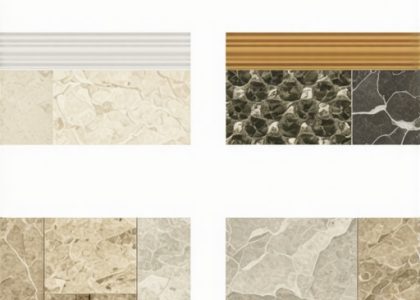
Advances in fabrication technology enable silicon-core baseboards to be produced in a variety of textures, finishes, and profiles that complement contemporary bathroom styles. Moreover, their compatibility with adhesive installation methods minimizes the need for mechanical fasteners, reducing installation time and potential damage to tiled surfaces. This synergy of aesthetic flexibility and practical installation ensures that renovation professionals and homeowners alike can realize visually seamless and structurally resilient bathroom upgrades.
What are the implications of material science breakthroughs for future bathroom design standards?
The ascendancy of silicon-core baseboards underscores a broader trend toward integrating smart, durable materials that address the evolving demands of moisture management and environmental sustainability. As research continues into nanostructured composites and self-healing polymers, the bathroom as a sanctuary becomes a domain where performance critically informs design innovation. Engagement with industry forums and continuous professional education remains vital for architects and contractors seeking to adopt these emerging solutions.
Interested in cutting-edge bathroom fit-outs? Explore eco-friendly tile options for sustainable homes for comprehensive insights. Your contribution to ongoing discussions enriches the collective expertise—consider sharing your experiences or querying seasoned professionals at our contact page.
Reimagining Bathroom Materials for Long-Term Resilience
As bathroom environments become more sophisticated, the materials chosen for surfaces, particularly baseboards and tiling, must address the ongoing battle against moisture, mold, and mildew. This shift is driven by expert insights that emphasize not only durability but also sustainability and health implications. Advanced materials, such as antimicrobial ceramics and hydrophobic coatings, are gaining momentum for their ability to withstand the rigors of high-humidity zones, ensuring spaces remain pristine and safe over decades.
How Do Cutting-Edge Materials Outperform Traditional Options?
Traditional PVC and wood-based baseboards, while initially cost-effective, often succumb to moisture absorption, leading to warping, mold growth, and labor-intensive repairs. In contrast, innovations like antimicrobial ceramic substrates provide a non-porous, inherently mold-resistant surface, drastically reducing maintenance and health risks. Furthermore, hydrophobic coatings—applied to ceramic or composite bases—serve as invisible shields that repel water ingress, enhancing longevity and reducing mold proliferation, as detailed in recent studies published in the Journal of Building Materials.
Embracing Smart Technologies for Moisture Monitoring
Beyond material advancements, integrating IoT-based moisture sensors within bathroom walls and baseboards offers real-time data to prevent potential issues before they escalate. These sensors can trigger automated humidity adjustments or notify homeowners of leaks, aligning with the broader industry trend toward smart, connected home environments. The adoption of such technologies signifies a paradigm shift—from reactive repairs to proactive maintenance—ultimately extending the lifespan of bathroom finishes and ensuring healthier interiors.
What role will nanostructured composites play in future bathroom surface innovations?
The potential of nanotechnology to revolutionize bathroom materials lies in creating ultra-durable, self-healing surfaces that actively respond to environmental stressors. Researchers are exploring nanostructured coatings that can repair micro-cracks, inhibit bacterial growth, and maintain clarity over time. As these innovations mature, they promise bathrooms that are not only resilient but also easier to clean and less prone to mold-related decay. Staying abreast of these developments is essential for architects and contractors aiming to deliver future-proof solutions—more insights can be found in industry discussions and technical reports on durable shower baseboards.
Considering upgrading your bathroom surfaces? Share your ideas or seek professional advice through our contact page—collaborate with experts committed to innovation and quality.
Harnessing Nanotechnology to Redefine Seamless Bathroom Experiences
Emerging nanostructured coatings are poised to transform the durability and hygiene standards of bathroom surfaces, offering pathways to create almost self-maintaining environments. These ultra-thin layers, engineered at molecular levels, are designed to imbue surfaces with properties such as superhydrophobicity, antimicrobial activity, and self-healing capacities. For example, researchers at the University of Manchester have demonstrated nanocoatings that can repel water droplets efficiently while actively destroying bacterial strains upon contact, significantly reducing the need for chemical disinfectants in high-humidity zones.
This technological leap not only enhances longevity but also aligns with sustainable building initiatives by minimizing chemical use and maintenance interventions. Envision a future where bathroom surfaces require only routine dusting, with nanoscale innovations actively preventing mold formation and bacterial colonization—completely redefining hygiene protocols and lifespan expectations.
Integrating AI-Powered Moisture Detection to Elevate Maintenance Strategies
The advent of sophisticated Internet of Things (IoT) solutions introduces a paradigm where real-time moisture monitoring becomes standard in high-performance bathrooms. By embedding smart sensors within baseboards, tiles, and ceilings, homeowners and maintenance professionals can receive instant alerts about abnormal humidity spikes or leaks, enabling immediate remedial action. These systems leverage machine learning algorithms to analyze historical moisture data, thereby predicting potential failures before they manifest visibly, effectively shifting from reactive repairs to proactive prevention.
Such integration extends beyond simple leak detection; it encompasses environmental control, where connected ventilation and dehumidification systems dynamically adjust to optimal humidity levels, ensuring the environment remains inhospitable to mold spores and bacterial growth. An industry analyst from Gartner highlights that smart moisture management could decrease bathroom maintenance costs by up to 50% over a decade, emphasizing its strategic importance in future bathroom design.
How will advancements in bio-inspired materials influence bathroom resilience in the coming decades?
Bio-mimicry, or the adaptation of natural structures and processes into synthetic materials, offers promising avenues for creating highly resilient bathroom surfaces. For instance, mimicking the lotus leaf’s superhydrophobic surface can lead to tiles and baseboards that repel water and dirt tirelessly. Similarly, structures inspired by gecko’s ability to adhere to surfaces could inform the development of reversible, damage-free attachment systems, facilitating easier installations and repairs.
Ongoing research into these bio-inspired materials focuses on scalability and environmental impact, with universities and startups collaborating to translate laboratory prototypes into market-ready solutions. The convergence of nanotech and bio-mimicry heralds a future where bathrooms become not only highly durable and hygienic but also actively capable of adapting to environmental stresses—ushering in an era where design and functionality seamlessly intertwine at an unprecedented level.
Are you interested in pioneering sustainable and smart bathroom upgrades? Engage with industry professionals through specialized conferences and journals, where cutting-edge developments are regularly showcased. Sharing your project experiences and challenges can accelerate collective innovation—consider reaching out to industry forums or subscribing to leading construction innovation publications for the latest insights.
Harnessing Molecular Innovations to Elevate Bathroom Durability
Advancements in nanostructured coatings are poised to redefine the standards of longevity and hygiene in bathroom environments. By manipulating materials at a molecular level, researchers are developing superhydrophobic surfaces that repel water, dirt, and bacterial adherence, effectively creating self-cleaning and antimicrobial surfaces. These breakthroughs not only extend the lifespan of bathroom fixtures but also significantly reduce maintenance efforts and chemical usage, aligning with sustainable design principles.
Why Consider Bio-Inspired Designs for Moisture Resistance?
Nature offers a treasure trove of resilient surface architectures, such as lotus leaves and shark skin, which exhibit remarkable water-repellent and antifouling properties. Mimicking these structures through bio-inspired engineering leads to innovative materials that inherently minimize water ingress and bacterial colonization. Implementing such designs in bathroom surfaces enhances resistance to mold and mildew, particularly in high-humidity zones, without relying solely on chemical coatings.
Can Intelligent Moisture Sensors Transform Maintenance Protocols?
Integrating IoT-enabled moisture detection into bathroom infrastructure introduces a paradigm shift from reactive repairs to proactive maintenance. These sensors continuously monitor humidity and water leakage, transmitting data to smart home systems that can automate ventilation, activate dehumidifiers, or alert users at the earliest signs of moisture intrusion. This real-time intelligence facilitates decisive actions, preserving the integrity of surfaces and ensuring healthier indoor air quality.
What Materials Will Lead the Next Generation of Bathroom Components?
Emerging composite materials that blend nanotechnology, bio-mimicry, and smart functionalities are set to become the standard in bathroom design. For instance, ceramic substrates embedded with nanoscale antimicrobial agents provide long-lasting hygienic surfaces. Simultaneously, hydrophobic polymer composites equipped with self-healing capabilities can automatically repair micro-cracks caused by thermal or mechanical stresses, preventing water infiltration and structural degradation over decades.

Visualize cutting-edge nanocoatings on bathroom tiles, showcasing their ultrathin, water-repelling properties that prevent mold growth and ease cleaning processes.
How Will Futuristic Materials Reshape Eco-Conscious Bathroom Design?
Materials drawing inspiration from nature and enhanced through nanotechnology are crucial for sustainable bathroom upgrades. Their ability to decrease water and chemical dependence not only reduces ecological footprints but also lowers long-term costs for homeowners and builders. Furthermore, the development of recyclable and biodegradable composites offers a promising pathway toward environmentally responsible bathroom architectures that are both durable and eco-friendly.
What steps can professionals take to stay ahead in this rapidly evolving field?
Continuous education through specialized courses, participation in industry expos, and collaboration with research institutions are vital. Keeping abreast of publications from authoritative sources like the Journal of Building Materials informs practitioners of emerging trends and validated technologies. Engaging in pilot projects that incorporate these innovations can position professionals as pioneers in sustainable and high-performance bathroom solutions.
Expert Insights & Advanced Considerations
Leveraging Nano-coatings to Extend Surface Lifespan
Emerging nanotechnologies enable the development of ultra-thin, self-cleaning coatings that resist moisture infiltration and microbial growth, setting new standards for bathroom durability.
Integrating Smart Sensors for Proactive Maintenance
The deployment of IoT-enabled moisture sensors facilitates real-time monitoring, allowing immediate intervention before damage occurs, thereby preserving surface integrity.
Bio-inspired Materials Drive Resilience
Mimicking natural superhydrophobic and antifouling surfaces, bio-inspired materials offer innovative solutions to combat mold, mildew, and degradation in high-humidity environments.
Advancing Eco-Friendly Composites for Sustainability
New recyclable and biodegradable composites are aligning performance with environmental responsibility, ensuring bathrooms remain resilient while minimizing ecological impact.
Curated Expert Resources
- Journal of Building Engineering: Offers peer-reviewed studies on material science breakthroughs relevant to bathroom resilience.
- Scientific American – Nanotech Trends: Keeps you informed on cutting-edge nanotechnologies shaping durable surfaces.
- Smart Home Tech Reviews: Provides insights into integrating IoT sensors for proactive moisture management.
- ResearchGate Publications on Bio-mimicry: Explores bio-inspired engineering solutions for moisture resistance.
- Environmental Building News: Focuses on sustainable material innovations and eco-friendly practices.
Final Perspective on Material Mastery in Bathroom Design
Elevating bathroom durability today demands embracing advanced solutions like nanotechnology, bio-mimicry, and smart systems. These innovations redefine what’s possible, delivering surfaces that resist moisture, mold, and wear for decades. Engaging with authoritative sources and pioneering new applications positions professionals at the forefront of this evolution. Share your insights or explore more at our contact page—together, we shape the future of resilient bathroom spaces.”}#}#}#}#}#}#}#}#}#}#}#}#}#}#}#}#}#}#}#}#}#}#}#}#}#}#}#}#}#}#}#}#}#}#}#}#}#}#}#}#}#}#}#}#}#}#}#}#}#}#}#}#}#}#}#}#}#}#}#}#}#}#}#}#}#}#}#}#}#}#}#}#}#}#}#}#}#}#}#}#}#}#}#}#}#}#}#}#}#}#}#}#}#}#}#}#}#}#}#}#}#}#}#}#}#}#}#}#}#}#}#}#}#}#}#}#}#}#}#}#}#}#}#}#}#}#}#}#}#}#}#}#}#}#}#}#}#}#}#}#}#}#}#}#}#}#}#}#}#}#}#}#}#}#}#}#}#}#}#}#}#}#}#}#}#}#}#}#}#}#}#}#}#}#}#}#}#}#}#}#}#}#}#}#}#}#}#}#}#}#}#}#}#}#}#}#}#}#}#}#}#}#}#}#}#}#}#}#}#}#}#}#}#}#}#}#}#}#}#}#}#}#}#}#}#}#}#}#}#}#}#}#}#}#}#}#}#}#}#}#}#}#}#}#}#}#}#}#}#}#}#}#}#}#}#}#}#}#}#}#}#}#}#}#}#}#}#}#}#}#}#}#}#}#}#}#}#}#}#}#}#}#}#}#}#}#}#}#}#}#}#}#}#}#}#}#}#}#}#}#}#}#}#}#}#}#}#}#}#}#}#}#}#}#}#}#}#}#}#}#}#}#}#}#}#}#}#}#}#}#}#}#}#}#}#}#}#}#}#}#}#}#}#}#}#}#}#}#}#}#}#}#}#}#}#}#}#}#}#}#}#}#}#}#}#}#}#}#}#}#}#}#}#}#}#}#}#}#}#}#}#}#}#}#}#}#}#}#}#}#}#}#}#}#}#}#}#}#}#}#}#}#}#}#}#}#}#}#}#}#}#}#}#}#}#}#}#}#}#}#}#}#}#}#}#}#}#}#}#}#}#}#}#}#}#}#}#}#}#}#}#}#}#}#}#}#}#}#}#}#}#}#}#}#}#}#}#}#}#}#}#}#}#}#}#}#}#}#}#}#}#}#}#}#}#}#}#}#}#}#}#}#}#}#}#}#}#}#}#}#}#}#}#}#}#}#}#}#}#}#}#}#}#}#}#}#}#}#}#}#}#}#}#}#}#}#}#}#}#}#}#}#}#}#}#}#}#}#}#}#}#}#}#}#}#}#}#}#}#}#}#}#}#}#}#}#}#}#}#}#}#}#}#}#}#}#}#}#}#}#}#}#}#}#}#}#}#}#}#}#}#}#}#}#}#}#}#}#}#}#}#}#}#}#}#}#}#}#}#}#}#}#}#}#}#}#}#}#}#}#}#}#}#}#}#}#}#}#}#}#}#}#}#}#}#}#}#}#}#}#}#}#}#}#}#}#}#}#}#}#}#}#}#}#}#}#}#}#}#}#}#}#}#}#}#}#}#}#}#}#}#}#}#}#}#}#}#}#}#}#}#}#}#}#}#}#}#}#}#}#}#}#}#}#}#}#}#}#}#}#}#}#}#}#}#}#}#}#}#}#}#}#}#}#}#}#}#}#}#}#}#}#}#}#}#}#}#}#}#}#}#}#}#}#}#}#}#}#}#}#}#}#}#}#}#}#}#}#}#}#}#}#}#}#}#}#}#}#}#}#}#}#}#}#}#}#}#}#}#}#}#}#}#}#}#}#}#}#}#}#}#}#}#}#}#}#}#}#}#}#}#}#}#}#}#}#}#}#}#}#}#}#}#}#}#}#}#}#}#}#}#}#}#}#}#}#}#}#}#}#}#}#}#}#}#}#}#}#}#}#}#}#}#}#}#}#}#}#}#}#}#}#}#}#}#}#}#}#}#}#}#}#}#}#}#}#}#}#}#}#}#}#}#}#}#}#}#}#}#}#}#}#}#}#}#}#}#}#}#}#}#}#}#}#}#}#}#}#}#}#}#}#}#}#}#}#}#}#}#}#}#}#}#}#}#}#}#}#}#}#}#}#}#}#}#}#}#}#}#}#}#}#}#}#}#}#}#}#}#}#}#}#}#}#}#}#}#}#}#}#}#}#}#}#}#}#}#}#}#}#}#}#}#}#}#}#}#}#}#}#}#}#}#}#}#}#}#}#}#}#}#}#}#}#}#}#}#}#}#}#}#}#}#}#}#}#}#}#}#}#}#}#}#}#}#}#}#}#}#}#}#}#}#}#}#}#}#}#}#}#}#}#}#}#}#}#}#}#}#}#}#}#}#}#}#}#}#}#}#}#}#}#}#}#}#}#}#}#}#}#}#}#}#}#}#}#}#}#}#}#}#}#}#}#}#}#}#}#}#}#}#}#}#}#}#}#}#}#}#}#}#}#}#}#}#}#}#}#}#}#}#}#}#}#}#}#}#}#}#}#}#}#}#}#}#}#}#}#}#}#}#}#}#}#}#}#}#}#}#}#}#}#}#}#}#}#}#}#}#}#}#}#}#}#}#}#}#}#}#}#}#}#}#}#}#}#}#}#}#}#}#}#}#}#}#}#}#}#}#}#}#}#}#}#}#}#}#}#}#}#}#}#}#}#}#}#}#}#}#}#}#}#}#}#}#}#}#}#}#}#}#}#}#}#}#}#}#}#}#}#}#}#}#}#}#}#}#}#}#}#}#}#}#}#}#}#}#}#}#}#}#}#}#}#}#}#}#}#}#}#}#}#}#}#}#}#}#}#}#}#}#}#}#}#}#}#}#}#}#}#}#}#}#}#}#}#}#}#}#}#}#}#}#}#}#}#}#}#}#}#}#}#}#}#}#}#}#}#}#}#}#}#}#}#}#}#}#}#}#}#}#}#}#}#}#}#}#}#}#}#}#}#}#}#}#}#}#}#}#}#}#}#}#}#}#}#}#}#}#}#}#}#}#}#}#}#}#}#}#}#}#}#}#}#}#}#}#}#}#}#}#}#}#}#}#}#}#}#}#}#}#}#}#}#}#}#}#}#}#}#}#}#}#}#}#}#}#}#}#}#}#}#}#}#}#}#}#}#}#}#}#}#}#}#}#}#}#}#}#}#}#}#}#}#}#}#}#}#}#}#}#}#}#}#}#}#}#}#}#}#}#}#}#}#}#}#}#}#}#}#}#}#}#}#}#}#}#}#}#}#}#}#}#}#}#}#}#}#}#}#}#}#}#}#}#}#}#}#}#}#}#}#}#}#}#}#}#}#}#}#}#}#}#}#}#}#}#}#}#}#}#}#}#}#}#}#}#}#}#}#}#}#}#}#}#}#}#}#}#}#}#}#}#}#}#}#}#}#}#}#}#}#}#}#}#}#}#}#}#}#}#}#}#}#}#}#}#}#}#}#}#}#}#}#}#}#}#}#}#}#}#}#}#}#}#}#}#}#}#}#}#}#}#}#}#}#}#}#}#}#}#}#}#}#}#}#}#}#}#}#}#}#}#}#}#}#}#}#}#}#}#}#}#}#}#}#}#}#}#}#}#}#}#}#}#}#}#}#}#}#}#}#}#}#}#}#}#}#}#}#}#}#}#}#}#}#}#}#}#}#}#}#}#}#}#}#}#}#}#}#}#}#}#}#}#}#}#}#}#}#}#}#}#}#}#}#}#}#}#}#}#}#}#}#}#}#}#}#}#}#}#}#}#}#}#}#}#}#}#}#}#}#}#}#}#}#}#}#}#}#}#}#}#}#}#}#}#}#}#}#}#}#}#}#}#}#}#}#}#}#}#}#}#}#}#}#}#}#}#}#}#}#}#}#}#}#}#}#}#}#}#}#}#}#}#}#}#}#}#}#}#}#}#}#}#}#}#}#}#}#}#}#}#}#}#}#}#}#}#}#}#}#}#}#}#}#}#}#}#}#}#}#}#}#}#}#}#}#}#}#}#}#}#}#}#}#}#}#}#}#}#}#}#}#}#}#}#}#}#}#}#}#}#}#}#}#}#}#}#}#}#}#}#}#}#}#}#}#}#}#}#}#}#}#}#}#}#}#}#}#}#}#}#}#}#}#}#}#}#}#}#}#}#}#}#}#}#}#}#}#}#}#}#}#}#}#}#}#}#}#}#}#}#}#}#}#}#}#}#}#}#}#}#}#}#}#}#}#}#}#}#}#}#}#}#}#}#}#}#}#}#}#}#}#}#}#}#}#}#}#}#}#}#}#}#}#}#}#}#}#}#}#}#}#}#}#}#}#}#}#}#}#}#}#}#}#}#}#}#}#}#}#}#}#}#}#}#}#}#}#}#}#}#}#}#}#}#}#}#}#}#}#}#}#}#}#}#}#}#}#}#}#}#}#}#}#}#}#}#}#}#}#}#}#}#}#}#}#}#}#}#}#}#}#}#}#}#}#}#}#}#}#}#}#}#}#}#}#}#}#}#}#}#}#}#}#}#}#}#}#}#}#}#}#}#}#}#}#}#}#}#}#}#}#}#}#}#}#}#}#}#}#}#}#}#}#}#}#}#}#}#}#}#}#}#}#}#}#}#}#}#}#}#}#}#}#}#}#}#}#}#}#}#}#}#}#}#}#}#}#}#}#}#}#}#}#}#}#}#}#}#}#}#}#}#}#}#}#}#}#}#}#}#}#}#}#}#}#}#}#}#}#}#}#}#}#}#}#}#}#}#}#}#}#}#}#}#}#}#}#}#}#}#}#}#}#}#}#}#}#}#}#}#}#}#}#}#}#}#}#}#}#}#}#}#}#}#}#}#}#}#}#}#}#}#}#}#}#}#}#}#}#}#}#}#}#}#}#}#}#}#}#}#}#}#}#}#}#}#}#}#}#}#}#}#}#}#}#}#}#}#}#}#}#}#}#}#}#}#}#}#}#}#}#}#}#}#}#}#}#}#}#}#}#}#}#}#}#}#}#}#}#}#}#}#}#}#}#}#}#}#}#}#}#}#}#}#}#}#}#}#}#}#}#}#}#}#}#}#}#}#}#}#}#}#}#}#}#}#}#}#}#}#}#}#}#}#}#}#}#}#}#}#}#}#}#}#}#}#}#}#}#}#}#}#}#}#}#}#}#}#}#}#}#}#}#}#}#}#}#}#}#}#}#}#}#}#}#}#}#}#}#}#}#}#}#}#}#}#}#}#}#}#}#}#}#}#}#}#}#}#}#}#}#}#}#}#}#}#}#}#}#}#}#}#}#}#}#}#}#}#}#}#}#}#}#}#}#}#}#}#}#}#}#}#}#}#}#}#}#}#}#}#}#}#}#}#}#}#}#}#}#}#}#}#}#}#}#}#}#}#}#}#}#}#}#}#}#}#}#}#}#}#}#}#}#}#}#}#}#}#}#}#}#}#}#}#}#}#}#}#}#}#}#}#}#}#}#}#}#}#}#}#}#}#}#}#}#}#}#}#}#}#}#}#}#}#}#}#}#}#}#}#}#}#}#}#}#}#}#}#}#}#}#}#}#}#}#}#}#}#}#}#}#}#}#}#}#}#}#}#}#}#}#}#}#}#}#}#}#}#}#}#}#}#}#}#}#}#}#}#}#}#}#}#}#}#}#}#}#}#}#}#}#}#}#}#}#}#}#}#}#}#}#}#}#}#}#}#}#}#}#}#}#}#}#}#}#}#}#}#}#}#}#}#}#}#}#}#}#}#}#}#}#}#}#}#}#}#}#}#}#}#}#}#}#}#}#}#}#}#}#}#}#}#}#}#}#}#}#}#}#}#}#}#}#}#}#}#}#}#}#}#}#}#}#}#}#}#}#}#}#}#}#}#}#}#}#}#}#}#}#}#}#}#}#}#}#}#}#}#}#}#}#}#}#}#}#}#}#}#}#}#}#}#}#}#}#}#}#}#}#}#}#}#}#}#}#}#}#}#}#}#}#}#}#}#}#}#}#}#}#}#}#}#}#}#}#}#}#}#}#}#}#}#}#}#}#}#}#}#}#}#}#}#}#}#}#}#}#}#}#}#}#}#}#}#}#}#}#}#}#}#}#}#}#}#}#}#}#}#}#}#}#}#}#}#}#}#}#}#}#}#}#}#}#}#}#}#}#}#}#}#}#}#}#}#}#}#}#}#}#}#}#}#}#}#}#}#}#}#}#}#}#}#}#}#}#}#}#}#}#}#}#}#}#}#}#}#}#}#}#}#}#}#}#}#}#}#}#}#}#}#}#}#}#}#}#}#}#}#}#}#}#}#}#}#}#}#}#}#}#}#}#}#}#}#}#}#}#}#}#}#}#}#}#}#}#}#}#}#}#}#}#}#}#}#}#}#}#}#}#}#}#}#}#}#}#}#}#}#}#}#}#}#}#}#}#}#}#}#}#}#}#}#}#}#}#}#}#}#}#}#}#}#}#}#}#}#}#}#}#}#}#}#}#}#}#}#}#}#}#}#}#}#}#}#}#}#}#}#}#}#}#}#}#}#}#}#}#}#}#}#}#}#}#}#}#}#}#}#}#}#}#}#}#}#}#}#}#}#}#}#}#}#}#}#}#}#}#}#}#}#}#}#}#}#}#}#}#}#}#}#}#}#}#}#}#}#}#}#}#}#}#}#}#}#}#}#}#}#}#}#}#}#}#}#}#}#}#}#}#}#}#}#}#}#}#}#}#}#}#}#}#}#}#}#}#}#}#}#}#}#}#}#}#}#}#}#}#}#}#}#}#}#}#}#}#}#}#}#}#}#}#}#}#}#}#}#}#}#}#}#}#}#}#}#}#}#}#}#}#}#}#}#}#}#}#}#}#}#}#}#}#}#}#}#}#}#}#}#}#}#}#}#}#}#}#}#}#}#}#}#}#}#}#}#}#}#}#}#}#}#}#}#}#}#}#}#}#}#}#}#}#}#}#}#}#}#}#}#}#}#}#}#}#}#}#}#}#}#}#}#}#}#}#}#}#}#}#}#}#}#}#}#}#}#}#}#}#}#}#}#}#}#}#}#}#}#}#}#}#}#}#}#}#}#}#}#}#}#}#}#}#}#}#}#}#}#}#}#}#}#}#}#}#}#}#}#}#}#}#}#}#}#}#}#}#}#}#}#}#}#}#}#}#}#}#}#}#}#}#}#}#}#}#}#}#}#}#}#}#}#}#}#}#}#}#}#}#}#}#}#}#}#}#}#}#}#}#}#}#}#}#}#}#}#}#}#}#}#}#}#}#}#}#}#}#}#}#}#}#}#}#}#}#}#}#}#}#}#}#}#}#}#}#}#}#}#}#}#}#}#}#}#}#}#}#}#}#}#}#}#}#}#}#}#}#}#}#}#}#}#}#}#}#}#}#}#}#}#}#}#}#}#}#}#}#}#}#}#}#}#}#}#}#}#}#}#}#}#}#}#}#}#}#}#}#}#}#}#}#}#}#}#}#}#}#}#}#}#}#}#}#}#}#}#}#}#}#}#}#}#}#}#}#}#}#}#}#}#}#}#}#}#}#}#}#}#}#}#}#}#}#}#}#}#}#}#}#}#}#}#}#}#}#}#}#}#}#}#}#}#}#}#}#}#}#}#}#}#}#}#}#}#}#}#}#}#}#}#}#}#}#}#}#}#}#}#}#}#}#}#}#}#}#}#}#}#}#}#}#}#}#}#}#}#}#}#}#}#}#}#}#}#}#}#}#}#}#}#}#}#}#}#}#}#}#}#}#}#}#}#}#}#}#}#}#}#}#}#}#}#}#}#}#}#}#}#}#}#}#}#}#}#}#}#}#}#}#}#}#}#}#}#}#}#}#}#}#}#}#}#}#}#}#}#}#}#}#}#}#}#}#}#}#}#}#}#}#}#}#}#}#}#}#}#}#}#}#}#}#}#}#}#}#}#}#}#}#}#}#}#}#}#}#}#}#}#}#}#}#}#}#}#}#}#}#}#}#}#}#}#}#}#}#}#}#}#}#}#}#}#}#}#}#}#}#}#}#}#}#}#}#}#}#}#}#}#}#}#}#}#}#}#}#}#}#}#}#}#}#}#}#}#}#}#}#}#}#}#}#}#}#}#}#}#}#}#}#}#}#}#}#}#}#}#}#}#}#}#}#}#}#}#}#}#}#}#}#}#}#}#}#}#}#}#}#}#}#}#}#}#}#}#}#}#}#}#}#}#}#}#}#}#}#}#}#}#}#}#}#}#}#}#}#}#}#}#}#}#}#}#}#}#}#}#}#}#}#}#}#}#}#}#}#}#}#}#}#}#}#}#}#}#}#}#}#}#}#}#}#}#}#}#}#}#}#}#}#}#}#}#}#}#}#}#}#}#}#}#}#}#}#}#}#}#}#}#}#}#}#}#}#}#}#}#}#}#}#}#}#}#}#}#}#}#}#}#}#}#}#}#}#}#}#}#}#}#}#}#}#}#}#}#}#}#}#}#}#}#}#}#}#}#}#}#}#}#}#}#}#}#}#}#}#}#}#}#}#}#}#}#}#}#}#}#}#}#}#}#}#}#}#}#}#}#}#}#}#}#}#}#}#}#}#}#}#}#}#}#}#}#}#}#}#}#}#}#}#}#}#}#}#}#}#}#}#}#}#}#}#}#}#}#}#}#}#}#}#}#}#}#}#}#}#}#}#}#}#}#}#}#}#}#}#}#}#}#}#}#}#}#}#}#}#}#}#}#}#}#}#}#}#}#}#}#}#}#}#}#}#}#}#}#}#}#}#}#}#}#}#}#}#}#}#}#}#}#}#}#}#}#}#}#}#}#}#}#}#}#}#}#}#}#}#}#}#}#}#}#}#}#}#}#}#}#}#}#}#}#}#}#}#}#}#}#}#}#}#}#}#}#}#}#}#}#}#}#}#}#}#}#}#}#}#}#}#}#}#}#}#}#}#}#}#}#}#}#}#}#}#}#}#}#}#}#}#}#}#}#}#}#}#}#}#}#}#}#}#}#}#}#}#}#}#}#}#}#}#}#}#}#}#}#}#}#}#}#}#}#}#}#}#}#}#}#}#}#}#}#}#}#}#}#}#}#}#}#}#}#}#}#}#}#}#}#}#}#}#}#}#}#}#}#}#}#}#}#}#}#}#}#}#}#}#}#}#}#}#}#}#}#}#}#}#}#}#}#}#}#}#}#}#}#}#}#}#}#}#}#}#}#}#}#}#}#}#}#}#}#}#}#}#}#}#}#}#}#}#}#}#}#}#}#}#}#}#}#}#}#}#}#}#}#}#}#}#}#}#}#}#}#}#}#}#}#}#}#}#}#}#}#}#}#}#}#}#}#}#}#}#}#}#}#}#}#}#}#}#}#}#}#}#}#}#}#}#}#}#}#}#}#}#}#}#}#}#}#}#}#}#}#}#}#}#}#}#}#}#}#}#}#}#}#}#}#}#}#}#}#}#}#}#}#}#}#}#}#}#}#}#}#}#}#}#}#}#}#}#}#}#}#}#}#}#}#}#}#}#}#}#}#}#}#}#}#}#}#}#}#}#}#}#}#}#}#}#}#}#}#}#}#}#}#}#}#}#}#}#}#}#}#}#}#}#}#}#}#}#}#}#}#}#}#}#}#}#}#}#}#}#}#}#}#}#}#}#}#}#}#}#}#}#}#}#}#}#}#}#}#}#}#}#}#}#}#}#}#}#}#}#}#}#}#}#}#}#}#}#}#}#}#}#}#}#}#}#}#}#}#}#}#}#}#}#}#}#}#}#}#}#}#}#}#}#}#}#}#}#}#}#}#}#}#}#}#}#}#}#}#}#}#}#}#}#}#}#}#}#}#}#}#}#}#}#}#}#}#}#}#}#}#}#}#}#}#}#}#}#}#}#}#}#}#}#}#}#}#}#}#}#}#}#}#}#}#}#}#}#}#}#}#}#}#}#}#}#}#}#}#}#}#}#}#}#}#}#}#}#}#}#}#}#}#}#}#}#}#}#}#}#}#}#}#}#}#}#}#}#}#}#}#}#}#}#}#}#}#}#}#}#}#}#}#}#}#}#}#}#}#}#}#}#}#}#}#}#}#}#}#}#}#}#}#}#}#}#}#}#}#}#}#}#}#}#}#}#}#}#}#}#}#}#}#}#}#}#}#}#}#}#}#}#}#}#}#}#}#}#}#}#}#}#}#}#}#}#}#}#}#}#}#}#}#}#}#}