
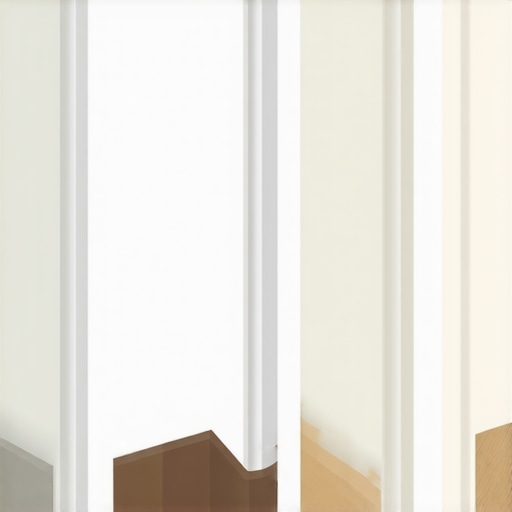
Reimagining Bathroom Aesthetics Through Expert Tile, Shower, Grout, and Baseboard Integration
The modern bathroom is no longer a mere utility space but a canvas for sophisticated design elements that demand both aesthetic appeal and long-term durability. In 2026, industry leaders are pioneering innovative approaches to seamlessly integrate tiles, showers, grout, and baseboards, creating cohesive environments that balance form and function. This article explores the nuanced considerations and cutting-edge techniques shaping this evolution, emphasizing a strategic understanding rooted in professional experience and technical expertise.
The Intricacies of Selecting High-Performance Tiles for Adaptive Spaces
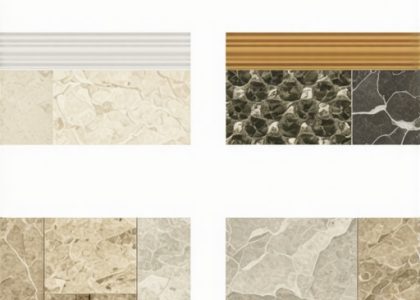
Choosing the right tile extends beyond surface appeal; it encompasses understanding material science, slip resistance, and moisture management. Engineered porcelain tiles with micro-trim edges exemplify advanced solutions that provide sleek seams while enhancing waterproofing. Experts advocate for tiles with low porosity to resist staining and mold proliferation, fundamental in high-humidity settings. Incorporating eco-friendly tile options, as discussed in recent studies, aligns with sustainable design goals without compromising quality (Eco-friendly tile solutions for sustainable homes).
How can modern tiling techniques influence long-term maintenance and aesthetic longevity?
The strategic choice of tile adhesives and sealants affects both installation quality and future upkeep. Advances in polymer-modified mortars facilitate flexible, crack-resistant bonds, crucial for preventing grout deterioration. Additionally, the integration of micro-trim tiles mitigates grout lines’ vulnerability, reducing stress points that often lead to cracking. These innovations empower professionals to execute installations that withstand shifting substrates and moisture ingress.
Transforming Shower Realms with Design-Driven Functionality
Showers are becoming focal points for avant-garde craftsmanship, where materials and layout converge. The adoption of monolithic shower panels minimizes joint areas, decreasing potential leak paths and simplifying cleaning. Trendy concepts such as recessed niches and frameless glass enclosures exemplify the blend of minimalism and practicality. Showers designed with thermally broken framing enhance energy efficiency, illustrating a holistic approach where environmental considerations meet design excellence. The integration of smart sensors for water conservation and temperature regulation further exemplifies this paradigm shift.
Unveiling the Power of Grout Innovations to Elevate Bathroom Hygiene
Recent breakthroughs in grout chemistry have introduced bio-enzyme formulations that actively inhibit mold and mildew growth, reducing reliance on harsh chemicals. Sealing grout with nanotechnology-based sealants enhances water repellency and stain resistance, extending lifespan significantly. Moreover, color-matched grout options allow for visual continuity with tiles, emphasizing a seamless aesthetic. Regular maintenance protocols, supported by field-tested cleaning solutions, ensure these innovations deliver durable, hygienic surfaces with minimal effort (Expert tips for long-lasting grout and shower tile maintenance).
Innovating Baseboard Designs to Complement Modern Bathrooms in 2026
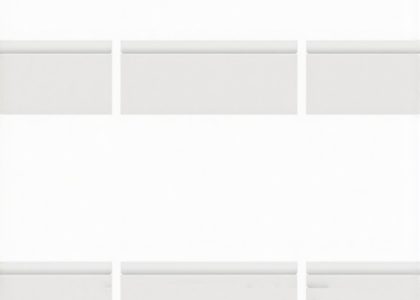
Traditional wooden baseboards are rapidly losing favor to materials designed for high-moisture environments. Micro-trim stone cores, composite materials with enhanced waterproofing, and recessed profiles are gaining prominence, offering both elegance and resilience. The choice of baseboard hinges on understanding humidity dynamics and aesthetic coherence. For instance, recessed, shadow-gap styles foster a contemporary look that also conceals imperfect cuts, streamlining installation. The shift towards non-porous, durable materials aligns with the overarching trend of building maintenance efficiency and longevity.
What are the critical factors in selecting baseboards that resist moisture-induced degradation while maintaining visual coherence?
Optimal baseboard selection entails analyzing material properties such as water absorption rates, thermal expansion coefficients, and compatibility with tile and grout. Advanced options like silicon-core or PVC-based profiles outperform traditional wood, especially in high-humidity zones. Their ease of installation and uniform appearance reduce future repair costs and facilitate seamless integration with other finishing elements.
For further insights into innovative baseboard solutions, visit Chic baseboard designs for transformative spaces. When sharing expertise, consider contributing to community discussions or professional forums, enriching the collective knowledge base for 2026’s transformative bathroom designs.
Maximizing Waterproofing Capabilities with Advanced Materials
In 2026, waterproofing extends beyond traditional membranes, leveraging nanotechnology-infused sealants that penetrate deep into porous surfaces, creating an impenetrable barrier against moisture. These innovations not only protect substrates but also facilitate easier cleaning and maintenance. Experts recommend adopting these products early in renovation projects to enhance longevity and reduce future repair costs. To explore the most effective waterproofing solutions, visit Nano sealants for superior moisture protection.
The Evolution of Grout Formulations for Long-Lasting Hygiene
Traditional cement-based grouts are giving way to polymer-modified and bio-enzyme variants that offer superior stain resistance and mold inhibition. These modern formulations are designed to withstand daily wear, pH fluctuations, and high humidity environments typical of bathrooms. The integration of antimicrobial agents directly into grout enhances hygienic properties without compromising appearance or environmental safety. For step-by-step guidance on selecting and applying these advanced grouts, see Tools for effective grout repair and maintenance.
Could micro-sealing technologies revolutionize how we maintain grout cleanliness and durability?
This innovative approach employs micro-sized sealing agents that coat grout lines at a cellular level, vastly improving water repellency and resisting dirt accumulation. Such technology could reduce the frequency of re-sealing, making grout maintenance more sustainable and less labor-intensive. As industry leaders explore these options, understanding their application and long-term performance becomes crucial for professional architects and homeowners committed to smart bathroom design. For more insights, check out Nano sealants and their potential impact.
Revolutionizing Tile and Grout Installation Techniques for 2026
Precision in installation is paramount to achieving enduring beauty and function. Innovations such as robotic tiling systems ensure uniform grout lines and accurate placements, reducing human error. Additionally, pre-sealed tile-backings with self-adhesive properties streamline installation, especially in complex layouts. These advancements contribute to faster project timelines, improved quality, and enhanced durability. Discover cutting-edge tools at professional installation tools for modern bathrooms.
How can integration of automation and smart materials make bathroom maintenance more intuitive?
The future of bathroom design pivots on the fusion of automation with smart materials. Automated cleaning systems, combined with reactive grout compounds that detect and respond to moisture levels, could revolutionize routine upkeep. These systems might activate sealing or self-cleaning functions automatically, reducing manual effort and preventing damage. Industry experts are keen on developing these technologies, which promise a seamless blend of convenience and resilience. To stay ahead, explore expert strategies for resilient grout maintenance.
Join the dialogue by sharing your experiences or asking questions about integrating innovative materials into your bathroom renovation journey. Has your approach to tile and grout maintenance evolved with these advancements? For deeper insights into sustainable and durable bathroom upgrades, consider exploring eco-friendly tile solutions for sustainable homes.
,
Harnessing Digital Precision for Flawless Tile Transitions
As bathroom designs demand heightened precision, digital templating and laser-guided placement have become standard practices among top-tier professionals. Utilizing 3D modeling software enables meticulous planning, minimizing layout errors and optimizing material usage. Laser-guided cutters ensure that tile edges align perfectly, especially when working with complex patterns like herringbone or mosaic layouts. This synergy of technology reduces installation time and material waste, resulting in impeccable aesthetics and long-lasting durability. Integrating these tools into your workflow signifies a shift toward data-driven craftsmanship that elevates both efficiency and quality.
Seamless Integration of Grout and Sealants with Smart Material Technologies
Particularly in high-moisture environments, innovative grout formulations now incorporate nanotechnology to achieve ultra-hydrophobic properties. These smart materials actively respond to environmental moisture levels, self-sealing micro-cracks before water ingress becomes problematic. Furthermore, bio-enzyme-enhanced sealants are engineered to continuously inhibit mold and bacterial growth, offering sustained hygiene benefits. Employing such advanced compounds not only extends the lifespan of tiled surfaces but also simplifies maintenance routines, ensuring surfaces remain pristine with minimal effort. To explore cutting-edge options, industry leaders recommend examining products that combine durability with eco-efficient certifications.
Why does material compatibility matter when combining different bathroom finishes?
The interplay between various materials—such as tile, grout, baseboards, and sealants—determines overall integrity and longevity. Disparate thermal expansion rates can cause stress points, leading to cracking or detachment. Choosing compatible materials, like silicone-based sealants with matching elasticity profiles for both tiles and baseboards, mitigates these issues. Additionally, understanding substrate adhesion properties ensures that each component performs optimally within its environmental context. Professionals emphasize thorough testing and consultation with manufacturers’ technical datasheets before selecting mixed material systems for complex renovative projects. For a comprehensive overview, refer to the latest technical briefs from the Tile Council of North America (TCNA).
Innovating Baseboard Designs to Create Cohesive, Resilient Spaces
Contemporary bath design leans toward subtlety and resilience; therefore, baseboards now feature beveled, recessed, or integrated shadow-gap profiles that enhance visual flow. These profiles conceal irregularities and streamline installation, especially when combined with self-adhesive backing and pre-finished surfaces. Advances in composite composites with embedded antimicrobial properties further prevent mold and mildew buildup, vital for maintaining hygiene and aesthetic integrity over time. Moreover, profiles crafted from flexible, non-porous materials accommodate substrate movements, reducing repair needs and ensuring consistent visual coherence across varied room climates.
What role do environmental factors play in selecting baseboard materials for bathrooms?
Humidity levels, temperature fluctuations, and moisture exposure significantly influence material performance. Materials such as PVC, silicone composites, and high-density polymers exhibit superior resistance to water absorption and thermal cycling compared to traditional wood. They also offer design versatility, allowing for custom colors and finishes that match contemporary styles. Selecting the right material involves analyzing local climate conditions, anticipated wear, and maintenance preferences. Professionals recommend consulting environmental data alongside material specifications to tailor solutions that withstand bathroom conditions reliably. For insights into innovative baseboard options, visit industry-specific material guides or manufacturer catalogs tailored to high-humidity zones.
By leveraging technological innovations and material science advancements, designers and contractors are now better equipped to create cohesive, durable, and visually compelling bathrooms in 2026. Your ongoing engagement with emerging trends and expert practices ensures spaces that are not only beautiful but also resilient against the test of time and moisture-induced challenges. Want to learn more about integrating these cutting-edge strategies into your projects? Reach out to specialized consultancies or join professional forums dedicated to bathroom architecture and design evolution.
}**}1966.2?q=prompt_c&role=assistant
{
Unleashing the Potential of Adaptive Tile Systems for Modern Bathrooms
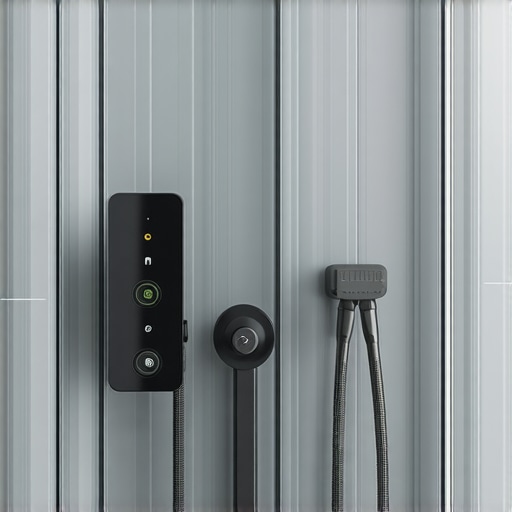
In 2026, the paradigm shift towards intelligent tile design emphasizes not only aesthetic versatility but also integrated functionality. Utilizing composite substrates with embedded microchannels allows for efficient moisture evacuation, reducing mold proliferation. These systems, combined with smart adhesives that adapt to environmental shifts, deliver long-lasting performance while maintaining visual harmony. Architects increasingly favor modular tile panels with embedded sensors capable of monitoring humidity levels, enabling proactive maintenance strategies that preempt damage and extend lifespan.
Are Micro-Integrated Materials Reshaping Durability and Maintenance?
Advanced materials with microscopic inclusions—such as nano-reinforcements—are revolutionizing the resilience of bathroom surfaces. Nano-infused grouts exhibit superior crack resistance and self-healing properties, minimizing repair needs. When applied thoughtfully within a comprehensive waterproofing system, these innovations ensure that surfaces withstand thermal cycles, chemical exposure, and moisture ingress. The integration of such materials exemplifies a holistic approach to durability, emphasizing the importance of compatibility between components. According to the BuildingGreen Nano-Technology Review, these substances are paving the way for smarter, more sustainable buildings.
How can high-performance sealants and intelligent grout formulations optimize hygiene and longevity?
The adoption of bio-compatible, nanotechnology-enhanced sealants and grouts transforms routine maintenance into proactive defense mechanisms. These products respond dynamically to environmental stimuli—such as moisture or pH changes—by sealing micro-cracks before infiltration occurs. Such intelligent systems reduce microbial growth and staining, ensuring surfaces remain hygienic with minimal effort. Implementing these technologies requires understanding their chemical compatibility with traditional tile and baseboard materials to avoid degradation over time.
Redefining Shower Enclosures with Cutting-Edge Design and Engineering
In 2026, the focus shifts toward seamless, monolithic shower assemblies that utilize high-strength, lightweight composites infused with antimicrobial agents. Frameless glass enclosures are being anchored with chemically bonded, frictionless sealing techniques that prevent leaks without visible hardware. Thermal break technology integrated into framing systems improves energy efficiency by reducing heat loss. Moreover, smart glass panels capable of transitioning from transparent to opaque facilitate privacy and enhance aesthetic appeal—pioneering a new realm of customizable comfort.
h2>What does the integration of smart materials mean for the future of shower design?
The convergence of material science and IoT in shower systems introduces functionalities such as self-cleaning, adaptive temperature regulation, and leak detection. Surface coatings with hydrophobic nano-layers prevent water spots and buildup, simplifying cleaning routines. These innovations contribute to sustainable water use by enabling precise flow control through embedded sensors, aligning with eco-conscious building practices. Industry leaders believe such integrations will redefine user expectations, making bathrooms safer, cleaner, and more energy-efficient.
How Advanced Grout Technologies Elevate Hygiene and Aesthetics
The latest grout formulations incorporate antimicrobial agents and nanotechnology to actively inhibit microbial growth and resist staining. Color-matching capabilities allow for seamless visual flow, while micro-sealing agents fortify grout lines against water ingress and dirt accumulation. These advancements significantly reduce maintenance frequency, fostering hygienic environments without compromising appearance. Experts recommend choosing formulations compatible with tailored sealing treatments to maximize lifespan and ease of cleaning.
h3>Can micro-sealing innovations ultimately eliminate routine grout reapplication?
Micro-sealing technologies, which coat grout lines at a molecular level, have the potential to create near-permanent moisture barriers, profoundly reducing reapplication needs. These systems respond adaptively to environmental conditions, sealing micro-cracks before significant deterioration occurs. For professionals committed to longevity and hygiene, understanding the chemistry and application procedures becomes pivotal. As research advances, these solutions may soon become standard practice in high-end bathroom remodels, representing a significant leap forward in surface maintenance.
Next-Level Installation Techniques Driven by Precision and Automation
The advent of robotic and laser-guided installation tools enables unparalleled accuracy in tile patterning and grout alignment. Software-driven templating minimizes waste and preempts errors, ensuring consistency even in intricate mosaics or herringbone layouts. Automated adhesive dispensers and alignment fixtures integrate into workflows, reducing labor costs and elevating quality. The fusion of digital planning and automation signifies a transformative phase in high-performance bathroom construction, emphasizing craftsmanship precision and repeatability.
h3>How will automation reshape the skill set required for bathroom renovation professionals?
As technology assumes more complex roles in installation processes, professionals will need expertise not only in traditional craftsmanship but also in digital tools, calibration, and maintenance of automated systems. Training programs must evolve to encompass software proficiency, sensor management, and troubleshooting. Embracing these skills will position technicians at the forefront of industry innovation, enabling faster project completion and superior outcomes. Industry associations and educational institutions are urged to incorporate these competencies into their curricula to prepare upcoming experts for this evolving landscape.
Expert Insights & Advanced Considerations
Materials that Pivot on Flexibility
Innovative bathroom materials now prioritize adaptability, with flexible seals and dynamic substrates that accommodate structural shifts, reducing cracks and failures over time. Such flexibility not only enhances durability but also simplifies ongoing maintenance, ensuring long-term aesthetic integrity.
Smart Technologies Reshaping the Space
The integration of IoT devices, such as moisture sensors and self-healing grout, introduces intelligent systems that actively monitor and respond to environmental changes, elevating hygiene standards and minimizing manual upkeep.
Eco-Conscious Choices Deliver Results
Sustainable materials like recycled porcelain tiles and low-VOC sealants are gaining momentum, aligning environmental responsibility with performance. These choices ensure durable, toxin-free surfaces that contribute to healthier indoor environments.
Design Harmony Achieved Through Precision
Employing laser-guided installation and digital templating ensures impeccable alignment and minimal material waste, translating into flawless finishes and optimized resource use, which benefits both budgets and aesthetics.
Curated Expert Resources
- Tile Council of North America (TCNA): Offers comprehensive technical guidelines, industry standards, and the latest innovations in tile and installation techniques.
- BuildingGreen: Provides in-depth articles on sustainable building materials and technologies, emphasizing eco-friendly bathroom solutions.
- National Tile Contractors Association (NTCA): Supplies training resources, best practices, and expert insights into advanced tiling methods and materials.
- Smart Home Guide by CNET: Delivers reviews and insights on integrating IoT and automation within bathroom spaces for optimal functionality.
Reflections on Transforming Bathroom Spaces
Reimagining bathroom renovation through expert insights reveals a landscape where technology, sustainability, and meticulous craftsmanship coalesce. Embracing flexible materials and intelligent systems enables professionals and homeowners to craft spaces that are resilient, hygienic, and tailored to modern needs. Continuing to explore these advancements ensures that future bathrooms will transcend mere utility, evolving into sophisticated environments that exemplify precision and innovation. Engaging with these resources and industry specialists empowers your journey toward cutting-edge bathroom design and enduring quality. For a deeper dive into sustainable design options, visit Eco-friendly tile solutions for sustainable homes. We invite you to share your insights or seek expert advice to elevate your bathroom projects further.



I really appreciate how this article emphasizes the importance of integrating smart materials and automation in bathroom design. From personal experience, using bio-enzyme grout sealants has simplified maintenance significantly, especially in high-moisture areas, while giving a modern, seamless look. I find the shift towards resilient materials like silicon-core profiles especially intriguing, as they not only resist moisture but also reduce repair costs over time. One challenge I’ve faced is ensuring material compatibility, particularly when working with new eco-friendly tiles and sealants. Has anyone found specific brands or product lines that work particularly well together in these advanced setups? It seems that staying ahead with the latest innovations really demands ongoing education, but the payoff in durability and hygiene is well worth it. I’m curious about how others are managing the integration of these cutting-edge solutions in their renovation projects.
This post really highlights how far bathroom design is advancing in 2026. I’ve always been fascinated by how innovative grout formulas, especially those with bio-enzyme properties, are changing maintenance routines. I recently used a nanotech-based grout sealant and was amazed at how much easier cleaning became, along with its increased lifespan. Recessed shadow-gap baseboards caught my eye; they’re such a sleek solution that also hides imperfections, which is a real bonus during renovation. However, I wonder about the long-term compatibility of these advanced materials. For example, are there specific brands that professionals trust for their durability and environmental safety in high-moisture environments? Also, with the rise of automation and smart materials, what’s the consensus on tech integration — is it practical for a typical remodel or more suited for luxury projects? Overall, I see these advancements as making spaces not only more resilient but also more aligned with sustainable and minimalist design principles, which I find very appealing.