I smell like oak dust and the sharp chemical bite of WD-40 most days. My knees have the permanent calluses of a man who has spent twenty five years crawling across concrete slabs with a moisture meter. I have seen things that would make a designer weep. Most guys skip the leveling compound because they think the underlayment will hide the dip. It won’t. I spent three days grinding concrete on a job last month just so the floor wouldn’t click like a castanet. That same level of neglect is what leads to the curling, peeling disaster of bathroom baseboards. When you have high performance showers and tile installations, your trim cannot be an afterthought. It is a structural component of the room moisture barrier. We are moving into 2026 with a focus on materials that ignore steam rather than fighting it. If you choose the wrong profile, you are just inviting mold to live in your drywall. Use real materials or do not bother at all.
The moisture war against bathroom woodwork
Stopping baseboard peel requires using non-porous materials like PVC, porcelain, or composite stone that have a zero percent absorption rate. Traditional MDF or wood baseboards fail because they absorb atmospheric steam through their bottom edges. For 2026, the standard is focused on moisture-impermeable barriers and high-density polymers that resist warping. The physics of a bathroom are brutal. When you run a hot shower, the air reaches a state of saturation where water vapor seeks any porous surface to settle into. Wood fibers are essentially microscopic straws. They pull that water in via capillary action, expanding the cells and breaking the bond of the paint. Once the paint film cracks, the game is over. You will see the baseboard start to puff out at the bottom. This is not just an aesthetic failure, it is a structural breach. The water then moves into the gypsum board behind the trim, leading to the kind of rot that requires a full tear out. Most people ignore the expansion gap at the bottom, but that is where the real chemistry happens. You need a trim that sits on the tile and creates a dam against the wet.
The structural failure of builder grade fiberboard
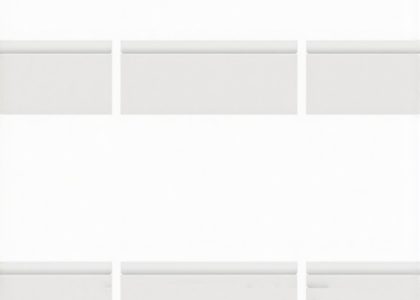
Medium Density Fiberboard is the enemy of a quality bathroom. It is essentially compressed sawdust and glue. When steam hits it, the glue softens and the sawdust swells. This is why your baseboards look like they are shedding skin after two years. I have seen expensive showers ruined because the installer used cheap MDF baseboards that soaked up water like a sponge, eventually wicking moisture up into the wall studs. You cannot fix peeled MDF. You can only replace it. In 2026, we are looking at chic baseboard designs that transform rooms in 2025 and beyond by utilizing high density materials. If you want to see what works, look at industrial kitchens. They do not use wood. They use materials that can be hosed down. Your bathroom needs that same level of respect for the power of water. We are talking about the vapor pressure of the room pushing against every joint. If that joint is not sealed with a high quality 100 percent silicone or a moisture-proof trim, you are just waiting for a disaster. [image_placeholder_1]
“A floor is only as good as the subfloor beneath it; deflection is the enemy of every joint.” – Master Flooring Axiom
Molecular density of waterproof trim materials
Waterproof trims for 2026 bathrooms rely on closed-cell PVC technology and stone composites that provide a 100 percent moisture barrier. These materials do not have the cellular structure of wood, meaning they cannot swell or rot regardless of the humidity levels in the room. When we talk about PVC trims, we are not talking about the flimsy plastic from the nineties. Modern high-density PVC has the same weight and feel as solid wood but the chemical stability of a polymer. It is a polymer chain that refuses to bond with H2O molecules. This means the paint sits on the surface rather than being pushed off by internal expansion. When you combine these trims with showers with a style that emphasize clean lines, you get a bathroom that looks new for a decade. The installation of these trims requires specific adhesives. You cannot just use standard wood glue. You need a cyanoacrylate based adhesive for the miters to ensure the corners never open up. If the corner opens, steam gets in. If steam gets in, the adhesive on the wall can fail. It is a chain reaction of physics.
The 2026 standard for steam proofing
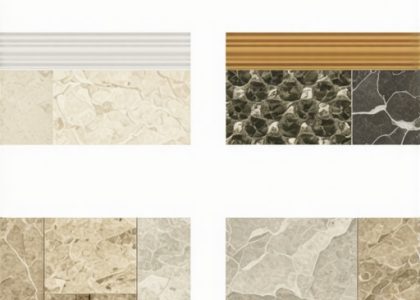
For the next generation of home builds, we are seeing a shift toward tile-to-wall transitions. This involves using the actual floor tile as the baseboard. This is the ultimate steam proofing method. You take a six inch rip of your floor tile, finish the top edge with a metal profile or a bullnose, and thin-set it directly to the wall. This creates a continuous waterproof basin. There is no wood to rot and no paint to peel. When you consider showers that wow modern designs for 2025, they almost always use this integrated base approach. It simplifies the grout maintenance and ensures that when you mop, you are not hitting a sensitive wood surface. The chemical bond between the thin-set and the tile is far superior to a finishing nail in a stud. This is about engineering longevity. You should also look into eco-friendly tile solutions for sustainable homes in 2025 to find materials that offer both beauty and durability. The less organic material you have at the floor line, the less food there is for mold.
| Material Type | Moisture Resistance | Janka Equivalent | 2026 Trend Rating |
|---|---|---|---|
| Solid Oak | Low | 1290 | Decreasing |
| MDF Fiberboard | None | N/A | Obsolescent |
| High Density PVC | 100% | High | Rising |
| Stone Composite | 100% | Extreme | Dominant |
Why grout choice dictates trim longevity
The type of grout used at the floor-to-wall transition determines how much moisture migrates behind the baseboards and causes peeling. Using high-performance epoxy or urethane grout creates a waterproof seal that prevents water from wicking under the trim. Most installers use standard cementitious grout which is actually porous. It is like a hard sand filter. Water sits on the floor, travels through the grout, and finds its way under your baseboard. This is the silent killer of bathroom trim. You need to understand grout restoration secrets for long lasting results if you want to save an existing installation. For new jobs, I always insist on a color-matched silicone caulk at the change of plane. Hard grout will always crack at the corner where the floor meets the wall because houses move. When it cracks, steam enters. If you have a tile cleaning tips for a sparkling bathroom in 2025 routine, you know that keeping these joints sealed is the only way to prevent subfloor rot. A flexible seal at the baseboard line is the only way to handle the structural shifting of the home while maintaining a steam barrier.
The physics of thermal expansion in PVC
While PVC is waterproof, it has a high coefficient of thermal expansion. This means it grows and shrinks with temperature more than wood does. If you install it tight in a cold room, it will buckle when the steam hits. You need to leave a 1/16 inch gap at the ends of long runs and hide those gaps with clever miter cuts or back-shaving. Many homeowners want the thickest underlayment thinking it adds comfort, but too much cushion actually causes the locking mechanisms on LVP and the baseboard transitions to snap under pressure. You want a firm, level surface. If you are struggling with old materials, you might need to know how to refresh grout without replacing it to ensure the foundation of your wall is dry before applying new trim. Every piece of trim is a gasket. If the gasket fails, the engine fails. You are building a machine for humidity management. Treat it like one.
- Use only stainless steel or galvanized finish nails to prevent rust bleed.
- Back-prime any wood trim with a moisture-blocking primer before installation.
- Apply a bead of 100 percent silicone to the bottom edge of the trim before setting it.
- Ensure the wall is flat within 1/8 inch over 10 feet to prevent gaps.
- Acclimate all materials to the bathroom humidity for 72 hours.
A contrarian take on bathroom ventilation
Most people think a bigger fan solves everything. It doesn’t. If your baseboards are peeling, it is often because of the ‘cold wall’ effect. If the wall is significantly colder than the steam, condensation happens instantly behind the trim. This is a masonry and insulation issue, not just a trim issue. You need to ensure your baseboards are physically decoupled from the cold subfloor. Use a plastic shim if you have to. If you are looking for more baseboards makeover ideas to elevate your space, always prioritize the material density over the profile. A simple, flat PVC board will always look better than a rotted, ornate wood one. If you have questions about specific installations, you can always contact us for professional advice on structural flooring. Do not let a designer talk you into ‘luxury’ wood trim for a high-use steam shower area. They are not the ones who have to replace it in three years. I am. Stick to the materials that the physics of the room demand. That is the only way to build a bathroom that lasts into the next decade.
“Moisture vapor transmission must be mitigated before any finish material is applied to ensure long term adhesion.” – TCNA Standard Practice