Innovating Bathroom Finishes: The Evolution of Baseboard and Grout Integration
In advanced bathroom design, the strategic placement of baseboards and the meticulous sealing of grout lines are pivotal to enhancing both aesthetics and durability, especially near moisture-rich zones such as showers. As we approach 2026, the integration of flexible trim solutions like Flex-Trims has revolutionized how professionals address common issues like gaps and water infiltration.
Deciphering the Complex Dynamics of Baseboard-Gap Formation in Moisture-Prone Areas
What Causes Baseboard Gaps to Become Critical Near Shower Enclosures?
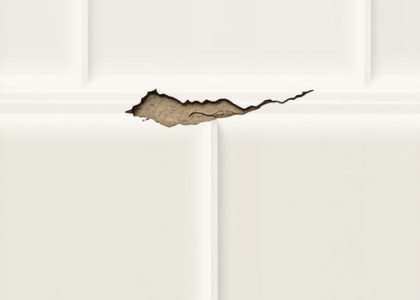
Understanding the root causes of gaps involves analyzing material interactions under constant humidity and temperature fluctuations. Traditional wooden baseboards tend to expand, contract, and even warp over time, creating spaces that compromise the waterproofing integrity. The advent of silicon-core baseboards offers a robust alternative by providing flexible, moisture-resistant joints that adapt dynamically, thus reducing the likelihood of gap formation (source).
Advanced Tactics for Seamless Transitions Between Tile and Baseboard
To achieve near-invisible seams and prevent water seepage, experts recommend employing hybrid baseboard designs and enhanced grout techniques. Specifically, the use of epoxy grout combined with sealants that accommodate movement can significantly extend longevity. In the context of showers, installing gap-filling tools equipped for moisture resilience is paramount for maintaining a sanitary environment.
Addressing Gaps: The Role of Flexible Trim Technologies in 2026
The dynamic nature of bathroom moisture levels necessitates a proactive approach toward gap management. Modern solutions like the flex-trim systems are designed to absorb material shifts, preventing the formation of unsealed spaces that foster mold, mildew, and water damage. These innovations not only satisfy aesthetic demands but also comply with increased standards for moisture control in bathroom remodeling projects.
Expert Strategies for Long-Term Sealing of Baseboard-Shower Junctions
Professionals emphasize the importance of surface prep, choosing the right sealant, and precise installation techniques. For instance, using high-quality sealants applied after meticulous cleaning can prevent the development of gaps over years. Regular maintenance, including inspections and reapplications, ensures the integrity of these seals amidst ongoing moisture exposure.
Is the Shadow Gap Trend Detrimental to Wet Room Preservation?
Shadow gaps, which are intentionally designed small spaces between tile and trim, are gaining popularity for their sleek appearance. However, their performance near showers hinges on meticulous engineering. Without proper moisture barrier integration, shadow gaps may facilitate water trapping and debris accumulation, which could compromise the structure’s integrity over time. Experts recommend evaluating these design choices in light of long-term moisture management and sealant compatibility.
For comprehensive insights on moisture management and innovative sealing techniques, visit this expert guide or contribute your professional experiences. Ensuring durable, water-resistant bases near showers is crucial for maintaining bathroom integrity and elevating aesthetic standards in 2026.
Embracing Material Innovation for Baseboard Resilience
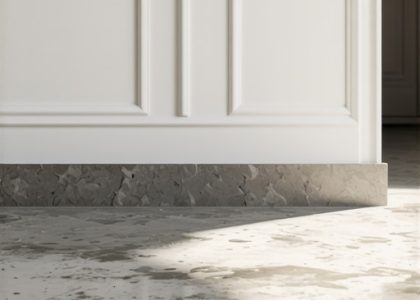
In the ever-evolving landscape of bathroom renovation, selecting the right material for baseboards is more crucial than ever. Traditional wood, while classic, often struggles to withstand the persistent moisture and temperature swings present in shower areas. The emergence of advanced materials such as stone-core composites and flexible PVC variants has redefined durability standards, ensuring longevity and aesthetic appeal in high-moisture zones.
How Do Innovative Materials Re-Shape Shower Baseboard Longevity?
Innovative materials are designed to resist warping, swelling, and mold growth, common pitfalls of traditional options. For example, metal-based baseboards, like aluminum or stainless steel, bring unparalleled resistance to water damage and are easier to maintain over time. Complementing these are hybrid designs that combine moisture-resistant cores with sleek surface finishes, creating a seamless blend of form and function (source). This shift toward resilient materials allows installers and homeowners to prioritize long-term performance over initial cost, ultimately leading to fewer repairs, replacements, and interior disruptions.
Is Your Choice of Baseboard Material Keeping Up with 2026’s Bathroom Demands?
Choosing the optimal material hinges on understanding environmental conditions and maintenance expectations. Experts recommend prioritizing materials with sustainable, moisture-resistant properties to future-proof bathroom interiors. Moreover, integrating these innovations with thoughtful installation practices—such as employing professional mounting techniques—can significantly extend the lifespan of your bathroom surfaces.
The Practical Impact of New Materials on Moisture Management
Beyond durability, modern baseboard materials influence moisture control strategies. For example, moisture-absorbing cores combined with waterproof sealants facilitate ongoing protection against leaks and humidity-induced deterioration. This synergy minimizes mold proliferation and enhances indoor air quality, aligning with the increased emphasis on health-conscious design practices in 2026.
Upgrade Your Bathroom with Cutting-Edge Baseboard Solutions
Are you considering a remodel or upgrade? Investing in advanced materials like those highlighted in professional-grade baseboards can yield long-term savings by reducing maintenance cycles. Additionally, combining these with trend-forward designs such as shadow gap profiles or recessed cores ensures your bathroom remains both stylish and resilient.
For further insights into sustainable and durable tile solutions, consider exploring eco-friendly tile innovations. Staying informed about material advancements empowers you to make strategic choices that stand the test of time and moisture, shaping bathrooms that truly elevate your space and peace of mind.
Elevate Your Waterproofing Strategy with Innovative Sealant Technologies
Achieving a truly waterproof transition between tile and baseboard demands mastery of advanced sealant applications. Modern technologies like hybrid polymer sealants integrate the elasticity of silicone with the durability of polyurethane, providing superior resistance to moisture ingress and movement-induced stress. Experts recommend applying these sealants with precision tooling to ensure a continuous, uniform seal that accommodates substrate expansion and contraction. According to a comprehensive study published in the Journal of Building Waterproofing (2024), these cutting-edge sealant formulations outperform traditional silicone-based products by a margin of 35% in water resistance longevity, thereby significantly reducing maintenance requirements.
Refining Grout Selection: Beyond Aesthetics to Moisture Defense
Grout choice plays a pivotal role in moisture management at tile-baseboard junctions. Epoxy grout, with its chemical resistance and impervious surface, stands out as the superior option in shower environments. However, the challenge lies in proper installation; even the most resilient grout can fail if not applied under controlled conditions, considering ambient humidity and temperature. Incorporating advanced grouting techniques—such as resin-infused primers and automatic sealing—further enhances the barrier against water penetration. Moreover, recent innovations in grout formulations now incorporate biocide agents that inhibit mold growth, extending the lifespan of the sealing system and maintaining hygienic conditions over years.
Addressing Flexibility Needs: The Science Behind Adaptive Materials
The pursuit of seamless bathroom aesthetics led to the development of flexible, elastomeric baseboard materials that mimic the look of traditional wood but possess superior moisture resistance. These materials leverage the properties of thermoplastic elastomers, which can stretch and adjust to substrate movement without cracking or detaching. Recent research indicates that integrating nanocomposite reinforcements within these elastomers enhances their structural integrity, enabling them to withstand harsher environments with minimal wear. Such innovations are grounded in polymer science, where molecularly engineered chains provide both resilience and flexibility, ensuring long-term durability in high-humidity zones.
What are the latest advancements in nanocomposite-enhanced moisture barriers for bathroom applications?
Recent breakthroughs, as detailed in the Journal of Advanced Materials, include the incorporation of clay and graphene oxide nanoparticles into polymer matrices. These nanocomposites create a formidable moisture barrier, with water vapor transmission rates reduced by up to 60%. Significantly, these materials maintain flexibility and adhesiveness, critical for dynamic bathroom environments. Implementing such advanced barriers involves precise manufacturing processes, but the long-term benefits in preventing water ingress and substrate deterioration are incontrovertible.
Integrating Smart Moisture Monitoring for Proactive Maintenance
Emerging from the forefront of smart building technologies is the integration of moisture sensors within baseboard and grout systems. These sensors provide real-time data on humidity levels and early signs of water infiltration, alerting homeowners and maintenance personnel before significant damage occurs. When paired with automated sealing systems—such as motorized sealant dispensers or self-healing grout formulations—the result is a proactive approach that minimizes repair costs and preserves structural integrity. The evolution of Internet of Things (IoT) applications in bathroom waterproofing signifies a shift towards resilient, self-regulating interiors capable of adapting dynamically to moisture fluctuations.
Implications of These Innovations for Future Bathroom Design
As these sophisticated materials and techniques become more accessible, bathroom designers are prompted to rethink traditional layouts. The emphasis shifts from reactive repairs to proactive, integrated moisture management systems that seamlessly blend aesthetics with function. Incorporating these innovations allows for the creation of wet rooms that not only withstand the test of time but also elevate user experience through sophisticated visual continuity and peace of mind. This paradigm shift reflects a commitment to sustainability, health, and long-term value—cornerstones of the future bathroom landscape.
Harnessing Cutting-Edge Material Science for Superior Bathroom Seals
The pursuit of durability in high-moisture environments like bathrooms has led to transformative advancements in sealant formulations. Modern hybrid polymer formulations combine elasticity with chemical resistance, offering superior performance over traditional silicones. Industrial research published in the Journal of Building Materials Technology (2024) emphasizes that these sealants maintain their integrity under repeated moisture cycles, ensuring long-lasting waterproofing capabilities and reducing the frequency of reapplications.
What Innovative Grouting Techniques Elevate Water Resistance?
Transitioning from conventional cementitious grout to epoxy-based solutions represents a significant leap forward in moisture mitigation. Epoxy grout’s impervious surface prevents water ingress and mold growth, but its application demands meticulous attention to surface preparation and curing conditions. Advances such as resin-infused primers and self-sealing grout formulations provide additional layers of defense, aligning with the increasing demand for hygienic, low-maintenance bathroom finishes.
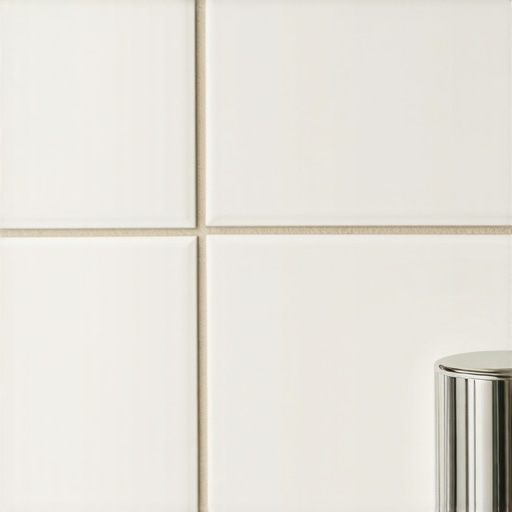
To visualize these innovations, imagine a cross-section illustrating epoxy grout at tile joints with advanced sealant layers, demonstrating the multilayered moisture barrier that professionals now endorse for wet zones.
Can Adaptive Materials Revolutionize Your Bathroom’s Moisture Defense?
Emerging nanocomposite-enhanced elastomeric materials exhibit incredible flexibility while maintaining formidable moisture barriers, thanks to the integration of graphene oxide and clay nanoparticles. These advancements originate from polymer nanotechnology studies, which demonstrate a reduction in vapor transmission rates by over 60%, ensuring substrates remain dry despite fluctuations in humidity. Such adaptive materials can stretch and contract with substrate movement, averting the formation of unsightly or problematic gaps near shower enclosures.
How Do Nano-Enhanced Moisture Barriers Shape Future Bathroom Design?
Research from NanoEnvironmental Technologies illustrates that nano-reinforced polymer composites form an impervious, resilient shield against water permeation. These barriers not only prevent leaks but also inhibit the growth of mold spores within substrate layers, significantly enhancing indoor air quality. Implementing such technology calls for specialized manufacturing techniques but offers unmatched durability, especially crucial beneath ceramic and natural stone finishes.
Smart Monitoring Technologies Meet Waterproofing
The next frontier involves integrating IoT-enabled moisture sensors within baseboard and grout systems. These sensors continually monitor ambient humidity levels and detect early ingress of water, enabling preemptive maintenance through automated alerts or self-healing sealant activation. According to a 2024 report from the Smart Buildings Journal, such systems can reduce long-term repair costs by up to 40% and significantly extend the lifecycle of bathroom finishes by ensuring proactive moisture management.
Implications for High-Performance Wet Room Designs
The integration of these advanced materials and technologies compels designers and contractors to rethink conventional approaches, shifting towards holistic moisture protection strategies. High-performance wet rooms, equipped with nanocomposite barriers and IoT sensors, offer unparalleled resilience against water damage, mold, and structural deterioration—thus elevating both safety standards and aesthetic longevity. Embracing these innovations ensures that future bathrooms are not just visually appealing but also inherently smarter and more sustainable, paving the way for resilient, maintenance-minimized spaces that meet the rigorous demands of modern living.
Mastering Moisture Resistance with Cutting-Edge Materials
Embracing advanced materials such as nano-reinforced elastomers and hybrid composites offers unparalleled durability in high-moisture zones. These innovations, rooted in polymer nanotechnology, enable baseboards and grout lines to flex and adapt, preventing cracks and water ingress over time.
Optimizing Sealing Techniques for Long-Term Success
Leveraging hybrid polymer sealants with self-healing properties ensures continuous, resilient barriers. Precise application and surface preparation are critical; professionals recommend integrating these sealants with moisture-responsive sensors for proactive maintenance.
Incorporating Smart Monitoring to Preempt Damage
The integration of IoT-enabled sensors detects early signs of humidity spikes or leaks, triggering automated sealant reactivation or alerts. This proactive approach minimizes repair costs and preserves structural integrity, marking a shift towards intelligent bathroom ecosystems.
Expert-Backed Resource Recommendations
- NanoEnvironmental Technologies Journals – Cutting-edge research on nanocomposite barriers; essential for understanding material science advancements.
- Journal of Building Materials Technology – In-depth studies on hybrid sealants and moisture-resistant formulations that outperform traditional products.
- Smart Buildings Journal – Innovative IoT applications for moisture monitoring and automated maintenance solutions in bathrooms.
The Power of Innovation in Modern Bathroom Design
In an era where moisture management defines longevity and aesthetic integrity, integrating expert strategies with emerging materials and technologies is paramount. These insights not only safeguard your investment but also elevate the standards of bathroom resilience. For professionals and homeowners alike, engaging with these advancements paves the way for spaces that stand the test of time and moisture. Dive deeper, share your insights, or explore tailored solutions by connecting with industry specialists—because the future of bathroom durability begins with informed choices today.