Reimagining Bathroom Elegance: The Strategic Shift from Wood to Stone Baseboards in Showers and Tile Areas
In the evolving landscape of bathroom design, the trend toward durable, aesthetically sophisticated materials reflects a deeper understanding of moisture management and longevity. Experts recognize that the integration of stone-based baseboards in shower enclosures and tile installations offers a compelling synergy of form and function, particularly as homeowners and designers seek resilient solutions that align with the minimalist yet high-performance ethos of 2026 trends.
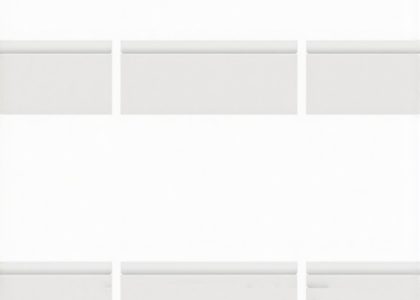
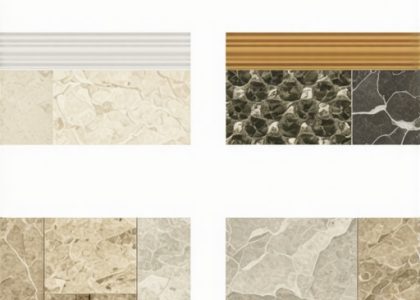
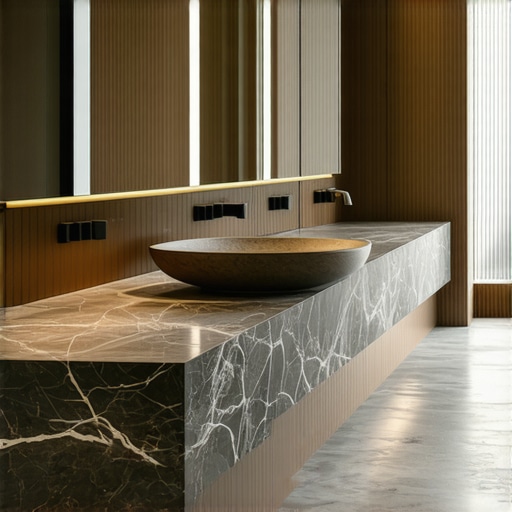
Stone baseboards, with their inherent moisture resistance and versatile textures, serve not only as a preventive barrier against water infiltration but also as a stylistic statement. Unlike traditional wood, which succumbs to swelling and rot in high-humidity environments, natural and engineered stone variants maintain structural integrity, thereby reducing long-term maintenance costs and preserving aesthetic appeal. This material transition underscores a strategic move toward sustainability and durability, resonating with eco-conscious design philosophies increasingly prevalent in top-tier bathroom remodels.
Associating Material Choice with Advanced Moisture Control and Hygiene Standards
Shower environments demand materials that withstand continuous exposure to water and cleaning agents. Research published in the Journal of Building Engineering emphasizes that stone-based surfaces demonstrate superior microbial resistance, aiding in maintaining hygienic conditions without reliance on chemical sealants that may degrade over time. This aligns with the 2026 emphasis on sustainable, low-maintenance bathroom ecosystems, where material selection is a core aspect of design integrity.
How Does the Transition Impact Tile and Grout Longevity in Showers?
The shift to stone baseboards significantly influences the longevity of surrounding tile and grout work. Properly installed stone baseboards create a seamless transition that minimizes grout cracking and water seepage—issues that frequently plague wood or MDF trims. Implementing advanced waterproofing techniques, such as polymer-infused grout and permeable membranes, further enhances the durability of shower walls. Experts suggest that integrating these elements results in a cohesive, leak-proof environment that withstands the rigors of daily use.
What Are the Challenges Behind Integrating Stone Baseboards in Complex Shower Installations?
Despite the evident benefits, incorporating stone baseboards requires meticulous planning and skilled craftsmanship. Challenges include precise templating to accommodate irregular wall surfaces, ensuring a flush fit that prevents water trapping, and selecting the appropriate sealing agents to maintain moisture resistance. For complex projects, collaborating with specialists proficient in stonework and waterproofing ensures optimal outcomes. Consult our comprehensive guide to reliable shower baseboards for detailed strategies.
As bathrooms gravitate toward technological and material excellence, embracing stone over wood constitutes more than a superficial aesthetic choice; it embodies a strategic paradigm optimized for longevity, hygiene, and sophisticated design. Professionals should seize this moment to pioneer innovative installations, contributing to the enduring legacy of functional elegance in bathroom architecture. To deepen your expertise, explore related content on eco-friendly tile solutions or consult industry standards outlined by authoritative sources such as the Architectural Digest.
Transforming Shower Spaces with Advanced Waterproofing Techniques
Achieving a durable, leak-proof shower environment transcends selecting the right materials; it involves implementing cutting-edge waterproofing methods that safeguard against moisture ingress. Techniques like applying polymer-infused grout sealants and incorporating permeable membranes as underlayments bolster the integrity of tile installations. Experts emphasize that these innovations not only prevent water damage but also extend the lifespan of your bathroom investments.
For those considering a comprehensive upgrade, exploring the latest guide on reliable shower baseboards can provide valuable insights into integrating these advanced techniques seamlessly. The goal is to create a seamless, watertight environment that requires minimal maintenance over time.
Blending Aesthetics and Functionality with Modern Baseboard Materials
While stone remains a preferred choice for its resilience, innovative composite materials offer a lightweight yet equally durable alternative. Fiberglass-reinforced polymer baseboards, for example, mimic the appearance of stone or wood while resisting swelling, cracking, and mold growth. These options facilitate quick installation and easier maintenance, aligning with 2026 design trends focused on practicality without sacrificing style.
To visualize the impact of these modern materials, consult resources on reliable leak fix strategies that showcase real-life applications of such resilient materials in high-moisture settings.
What Innovative Tools Are Reshaping Your Expectations of Bathroom Waterproofing and Baseboard Installation?
Emerging tools like laser templating devices and computer-aided design (CAD) software drastically improve precision in custom cuts and fitting, reducing installation errors and ensuring perfect sealing. These technologies allow professionals to anticipate challenges posed by irregular surfaces and complex geometries, resulting in a cleaner, more durable finish. Embracing these tools enhances project quality and dramatically shortens project timelines.
If you’re eager to adopt these innovations, exploring trusted sources such as the expert guide on durable shower baseboards can help you integrate advanced techniques into your renovation plans seamlessly.
Sharing your experiences or questions about waterproofing breakthroughs can inspire a community of proactive homeowners and professionals. For ongoing insights and tailored advice, don’t hesitate to reach out to our experts.
Harnessing Next-Generation Sealants for Enhanced Water Resistance
Contemporary bathroom renovations demand sealants that not only withstand continuous moisture exposure but also adapt to evolving aesthetic standards. Advanced formulations such as hybrid silicone-polyurethane compounds offer superior adhesion, flexibility, and longevity compared to traditional silicone or polyurethane sealants. These innovations ensure that the joints around stone baseboards and tile installations remain impervious to water ingress, reducing maintenance intervals and preventing costly repairs. As industry leaders like Dow Corning have demonstrated, integrating such high-performance sealants into your design workflow is crucial for sustainable, leak-proof bathrooms that meet the rigorous standards of 2026.
Emerging Bonding Agents Redefining Material Compatibility
Surface preparation and bonding efficacy are critical factors influencing waterproofing success. New-generation bonding adhesives with chemical formulations tailored for porous stone materials drastically improve adhesion strength and resilience against thermal expansion and contraction. For example, epoxy-resin-based adhesives designed specifically for natural stone create a cohesive barrier that resists delamination, a common failure point in conventional setups. Incorporating these agents into installation protocols ensures a more durable interface between baseboards and substrates, consequently enhancing overall waterproofing integrity.
How Do Smart Sealants Communicate and Adapt in High-Moisture Settings?
Future-proofing bathrooms involves adopting intelligent materials capable of responding to environmental changes. Researchers are pioneering ‘self-healing’ sealants embedded with microcapsules containing repairing agents. When microcracks occur due to minor substrate movements, these capsules rupture, releasing compounds that auto-seal the fissures. Such technology not only prolongs the lifespan of waterproof joints but also minimizes manual maintenance interventions. According to a recent publication in the Advanced Materials Journal, implementing self-healing sealants could revolutionize moisture management in bathrooms, especially for intricate installations involving stone and complex tile patterns.
The Interplay of Sealant Compatibility and Environmental Sustainability
Increased focus on eco-friendly practices prompts a reassessment of sealant constituents. Biobased, low-VOC, and biodegradable formulations are gaining prominence, ensuring that the indoor air quality is preserved without compromising performance. Compatibility testing has become paramount, as some sustainable sealants may exhibit reduced adhesion or flexibility when used with non-traditional substrates like engineered stone or composite materials. Experts emphasize the importance of rigorous testing protocols, such as ASTM C794 standards, to validate performance in specific environmental conditions, integrating sustainability with technical excellence.
For professionals striving to stay at the forefront of waterproofing innovation, engaging with industry forums and attending specialized workshops can provide invaluable insights. Continual education ensures you can select the most appropriate, cutting-edge materials—ones that promise durability, water resistance, and environmental responsibility—integrated seamlessly into sophisticated bathroom designs. To deepen your knowledge, explore detailed case studies on advanced waterproofing techniques that showcase real-world applications of these technologies.
Revolutionizing Bathroom Integrity with Cutting-Edge Sealant Technologies
Optimizing waterproofing in showers transcends traditional silicone applications by embracing innovative sealant innovations that adapt to environmental stresses. High-performance hybrid sealants, combining the elasticity of silicone with the adhesion strength of polyurethane, offer superior longevity and flexibility, accommodating substrate movements without compromising water resistance. These formulations, endorsed by industry standards such as ASTM C920, ensure joints remain impervious over prolonged periods, significantly reducing maintenance needs and preventing moisture ingress.
Bio-Inspired Materials Level Up Shower Durability
Emerging research highlights the potential of biomimetic materials—such as bioaggregates and nanocomposites—that emulate natural water-repelling mechanisms. For example, the lotus leaf effect, replicated through advanced coating technologies, creates superhydrophobic surfaces on stone and grout interfaces, effectively shedding water and resisting mold growth. Such innovations not only enhance aesthetic longevity but also contribute to healthier bathroom environments by minimizing microbial colonization.
Add Image?
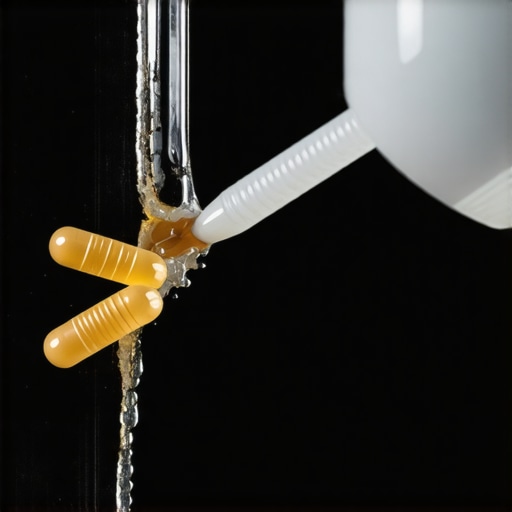
For visual understanding, consider illustrating the molecular structure of self-healing sealants demonstrating microcapsule action as they repair microcracks in real-time, providing an insightful look into next-generation moisture control technologies.
Expert Strategies for Seamless Integration of Engineered Stone Baseboards
Incorporating engineered stone into shower baseboards demands meticulous surface preparation and compatibility considerations. Using specialized epoxy adhesives with flexibility modifiers ensures strong, crack-resistant bonds, mitigating delamination risks. Moreover, employing laser-guided templating systems streamlines complex curvatures and irregular wall profiles, resulting in precise cuts and seamless joins. Adopting these advanced methods creates a cohesive aesthetic and enhances waterproofing efficacy, crucial in high-moisture zones.
The Role of Nano-Enhanced Grout in Tile Longevity
Nanotechnology-infused grout formulations introduce water-repellent and antimicrobial properties at the molecular level. Silica nanoparticles impregnated within grout matrices create a dense, impermeable barrier against water intrusion, while inhibiting bacterial and mold growth, essential for maintaining hygienic shower spaces. This dual action not only extends the lifespan of grout joints but also simplifies cleaning routines, aligning with sustainable maintenance practices advocated by industry leaders like the Tile Council of North America.
What New Tools Are Transforming Your Shower Upgrades?
Adoption of augmented reality (AR) visualization tools enables professionals and homeowners to preview material selections and layout configurations virtually, reducing errors and enhancing design precision. Handheld laser scanners facilitate rapid and accurate measurements of irregular surfaces, informing custom cuts and installations. Embracing these cutting-edge tools accelerates project timelines and elevates craftsmanship quality, setting new standards in bathroom renovation excellence.
To exemplify this, an AR interface displaying various stone baseboard textures alongside waterproofing layers can illustrate the integration of aesthetic and functional elements seamlessly.
Harnessing Innovative Bonding Agents for Eco-Friendly Installations
Modern bonding agents derived from bio-based, low-VOC chemistries deliver strong adhesion while aligning with environmental sustainability goals. Polyurethane adhesives infused with renewable resins exhibit enhanced flexibility and durability, suitable for bonding engineered stone to substrates subjected to thermal expansion. Rigorous testing per ASTM standards ensures these adhesives maintain performance in challenging conditions, reinforcing eco-conscious commitments without sacrificing technical excellence.
Self-Healing Materials: The Future of Shower Waterproofing
Research in self-healing materials introduces microcapsule technology capable of autonomously repairing fissures caused by substrate movement or minor damage. When microcracks occur, the embedded healing agents activate, restoring integrity and maintaining moisture barriers without manual intervention. Such smart materials promise to redefine durability standards in bathrooms, minimizing downtime and repair costs while supporting sustainable building practices.
Expert Insights That Elevate Bathroom Design
Opt for Seamless Material Compatibility to Prevent Water Damage
Choosing the right baseboard materials, such as engineered stone combined with high-quality epoxy adhesives, ensures a long-lasting bond that withstands moisture and thermal expansion. This proactive approach reduces maintenance and enhances the aesthetic integrity of the bathroom.
Prioritize Smart Waterproofing Layers for Ultimate Protection
Incorporating permeable membranes beneath tiles and advanced polymer-infused sealants around joints creates a multi-layer barrier against water ingress, significantly extending the lifespan of shower enclosures and tile installations.
Leverage Cutting-Edge Tools for Precision Installation
Utilizing laser templating systems and CAD software allows for highly accurate cuts and fitments, minimizing gaps and water traps—crucial factors in high-moisture environments that demand impeccable sealing and alignment.
Embrace Eco-Friendly, Durable Sealants for Sustainability
Hybrid silicone-polyurethane sealants derived from bio-based components offer superior flexibility, adhesion, and environmental benefits, aligning with 2026’s emphasis on sustainable building practices.
Investigate Self-Healing Materials to Future-Proof Bathrooms
Emerging self-healing sealants with microcapsule technology can automatically repair microcracks, maintaining waterproof integrity without manual intervention—redefining maintenance intervals and enhancing bathroom resilience.
Curated Resources for Deep Expertise
- Architectural Digest – Recognized for authoritative insights into luxury bathroom aesthetics and innovative material integrations, keeping professionals abreast of industry trends.
- ScienceDirect’s Journal of Building Engineering – Offers peer-reviewed research on moisture management technologies and material resistance, essential for informed material choices.
- Tile Council of North America – Provides standards and testing protocols for grout and tile longevity, ensuring compliance and durability in installations.
- Advanced Materials Journal – Features breakthroughs in smart, self-healing, and bio-inspired materials applicable to bathroom waterproofing solutions.
Reflections From the Cutting Edge of Bathroom Technologies
In 2026, integrating sophisticated materials and meticulous installation techniques revolutionizes bathroom longevity. By focusing on compatibility, advanced waterproofing, eco-conscious sealants, and innovative self-healing technologies, industry leaders are defining a new era of resilient, sustainable bathroom environments. Engaging with expert resources and adopting these innovations empowers professionals and homeowners alike to achieve exceptional durable results. Dive deeper by exploring our small bathroom makeover tips or discover the best waterproof baseboard styles for 2026 to elevate your project’s success.