
Transforming Bathroom Surfaces: The Future of Showers and Beyond
As bathroom renovation technology advances, professionals and homeowners alike seek smarter, more durable solutions for key surfaces such as showers, grout, baseboards, and tiles. A confluence of material science, design innovation, and maintenance strategies now guides the remodeling paradigm, emphasizing longevity, aesthetic appeal, and environmental impact.
Revolutionizing Shower Design with Structural and Material Synergy
Modern shower systems now leverage ultra-durable materials like engineered stone composites and proprietary waterproofing membranes, which minimize seepage and mold growth. The integration of seamless, frameless glass enclosures not only elevates visual appeal but also reduces entrapped dirt and grime, easing maintenance and improving hygiene standards. For example, in modern shower design trends, the focus shifts towards minimalist aesthetics combined with sophisticated moisture control solutions.
Enhancing Grout Longevity through Nano-Technology Applications
Traditionally, grout has been a weak point in bathroom durability, susceptible to staining, cracking, and mildew. Contemporary advances incorporate nanotechnology, producing highly hydrophobic and anti-microbial grout formulations that greatly extend service life. Professional remediation, such as grout restoration techniques, are now essential for maintaining aesthetic integrity and functional performance.
Smart Selection of Baseboards for Vivid Moisture Management
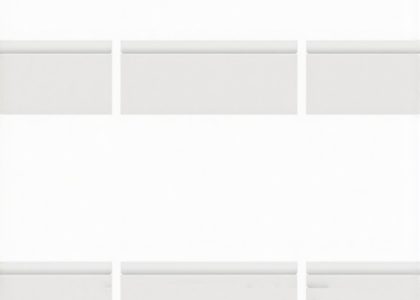
Baseboards serve both decorative and protective functions, yet moisture exposure in bathrooms demands innovative materials. Replacing traditional wood, composites like PVC, aluminum, and stone-based options resist warping and rot. The shift towards recessed or recess-friendly designs reduces water intrusion and simplifies cleaning. For instance, aluminum baseboards exemplify contemporary trends favoring resilience and sleekness.
Expert Insights: How Do Advanced Tile and Grout Technologies Interact to Prevent Bathroom Failures?
Complex interactions between tile adhesives, grouts, and sealing agents determine end-user satisfaction. Relying on chemical formulations with enhanced elasticity ensures tiles accommodate substrate movements, preventing crack propagation. Furthermore, high-performance sealants reduce water ingress at joints. These technical advantages significantly diminish common failures like tile tenting or grout deterioration, prime concerns for renovation experts.
What Are the Key Considerations When Selecting Waterproof Materials for High-Humidity Bathroom Zones?
Choosing appropriate materials involves assessing permeability, thermal expansion compatibility, and ease of maintenance. Expert consensus suggests prioritizing products tested under standards such as ASTM E96 for water resistance. For deeper insights, consult the comprehensive analysis at professional shower baseboard installation.
If you’re seeking cutting-edge innovations, explore the latest technical guides or contribute your professional experiences to expand this evolving knowledge base. Remember, meticulous surface preparation and preventative maintenance remain foundational to achieving enduring bathroom excellence in 2026 and beyond.
Unlocking the Power of Nano-Infused Grout for Superior Durability
As the quest for longer-lasting bathroom surfaces intensifies, nano-technology emerges as a game-changer. Nano-infused grout formulations provide unprecedented hydrophobic and antimicrobial defenses, resisting stains, cracks, and mold far better than traditional options. These advances allow homeowners and contractors to extend maintenance intervals significantly. For instance, high-performance grout sealants now incorporate nanoparticles to repel water and inhibit bacterial growth, which is crucial for upholding hygiene standards. For comprehensive insights into how these innovations impact grout performance and application strategies, visit professional shower baseboard installation.
Beyond Aesthetics: The Functional Shifts in Shower Enclosure Designs
In 2026, shower enclosures are evolving from mere protective barriers to integral elements of moisture control, insulation, and visual harmony. Frameless, multi-pane configurations combined with high-tech coatings, such as hydrophobic glass treatments, minimize water adhesion and fogging. Moreover, innovative anchoring systems allow for seamless integrations with adjacent wall surfaces, reducing trap zones where mold and grime flourish. This evolution aims to make cleaning simpler and prevent hidden moisture pockets, ultimately prolonging the lifespan of shower components. Curious about the latest installation techniques that ensure longevity? Explore expert installation strategies.
How Can Integrating Smart Materials Revolutionize Bathroom Maintenance?
The integration of smart materials—like self-healing sealants and active antimicrobial coatings—promises to revolutionize bathroom upkeep. These materials can repair minor cracks autonomously or actively neutralize bacteria and mold growth without manual intervention. Such tech-driven solutions could redefine maintenance routines, reducing costs, and enhancing hygiene. For highly technical insights into how smart materials interact within bathroom systems, consider consulting leading research at industry experts on modern material science.
If you’re eager to embrace these innovations early, share your experiences or ask questions in our community forums. Staying ahead in bathroom technology means pairing cutting-edge materials with meticulous design and installation practices.
,
Harnessing Nanotechnology for Extreme Bathroom Resilience
Nanotechnology’s influence extends beyond grout formulations, revolutionizing the entire ecosystem of bathroom surfaces. By integrating nanoparticles into coatings and sealants, manufacturers now produce materials with self-cleaning, antimicrobial, and ultra-hydrophobic properties. These enhancements target persistent issues such as mold growth, mineral deposition, and surface staining, effectively transforming traditional maintenance routines into minimal-effort tasks. Recent studies, such as those published in Advanced Functional Materials, have demonstrated how nanoparticle-infused coatings can reduce microbial colonization by up to 99%, significantly elevating hygiene standards in high-moisture environments.
Adaptive Design: The Rise of Dynamic Bathroom Surfaces
Looking forward, the concept of adaptive surfaces—materials capable of responding to environmental stimuli—promises to redefine bathroom hygiene and durability. For example, smart tiles embedded with thermochromic or piezoelectric elements could alter properties in response to temperature changes or mechanical stress, indicating an impending failure or signaling the need for cleaning. Incorporating such smart technology requires a nuanced understanding of material science and sensor integration, but the payoff lies in a proactive maintenance approach that minimizes downtime and cost. Executing these innovations demands collaboration among material scientists, designers, and engineers to create cohesive systems that can withstand daily use while providing real-time feedback.
Crystalline Coatings and Their Role in Surface Hardness
Crystalline coatings, applied through vapor deposition techniques, are emerging as superior alternatives to conventional varnishes or paints. These coatings form an ultra-hard, scratch-resistant layer that preserves the aesthetic qualities of tiles and surfaces over extended periods. Their extreme durability not only resists abrasions and chemical damage but also acts as an effective barrier against moisture infiltration. This technology, already popular in aerospace and automotive sectors, is gradually finding its footing within high-end bathroom renovations, especially in areas prone to frequent cleaning or abrasive use. The challenge lies in balancing surface hardness with flexibility to accommodate substrate movements without cracking.
What Are the Emerging Standards Governing Eco-Friendly Bathroom Materials?
As environmental concerns become central to material selection, industry standards are evolving rapidly. Certifications like LEED v4 and WELL Building Standard emphasize the importance of low-emission, recyclable, and sustainably sourced materials. Industry leaders advocate for rigorous testing protocols, such as ASTM D7088, which assesses the long-term durability and environmental impact of bathroom surfaces. Keeping abreast of these standards ensures compliance and supports sustainable practices, fostering innovations that align with global ecological goals. For comprehensive guidance, consult the latest ASHRAE standards on sustainable building materials.
Embracing these groundbreaking advancements requires a deep understanding of not only material properties but also how they interact within the complex ecosystems of bathroom environments. Engaging with industry research, participating in professional forums, and continuously updating product knowledge will position contractors and designers at the forefront of this technological evolution. To stay connected with peer insights and expert analyses, consider subscribing to specialized architectural and engineering journals dedicated to innovative construction materials.
The Hidden Power of Self-Healing Sealants in Bathroom Maintenance
Imagine a sealing compound that autonomously repairs minor cracks or fissures caused by thermal expansion and mechanical stress. Self-healing sealants, enabled by microcapsule technology, are poised to transform maintenance routines by proactively mitigating common failure points in bathroom surfaces. These advanced materials typically contain encapsulated healing agents that, upon crack formation, rupture and catalyze a repair process, restoring surface integrity with minimal manual intervention. Their integration into grout lines, caulk, and waterproof membranes not only extends service life but also substantially reduces repair costs, ensuring longevity in high-humidity environments.
How Are Quantum Dots Enhancing the Visual and Durability Aspects of Bathroom Surfaces?
Quantum dot technology, although traditionally associated with display screens, is now making inroads into surface coatings and lighting optimizing bathroom environments. When embedded into tiles or paints, quantum dots can provide superior UV resistance, fade-proof coloration, and even act as indicators for surface degradation or moisture intrusion. This convergence of nanotechnology and design offers an unprecedented level of functional aesthetics, enabling surfaces to maintain their vibrancy and structural resilience over decades. For detailed insights into their applications, consult recent publications in Advanced Functional Materials.
Customization at a Nano Scale: Creating Personalized Moisture-Resistant Surfaces
Emerging additive manufacturing techniques now allow for nano-infused, customizable bathroom surfaces tailored to specific functional or aesthetic requirements. These include embedding microstructures that promote rapid drying, anti-slip features, or even embedded antimicrobial agents specific to user needs. Such innovations pave the way for high-performance, bespoke bathroom environments that seamlessly blend beauty and utility. Collaboration with material scientists and utilizing 3D printing with nano-enabled resins could unlock unparalleled design freedom and durability.
Addressing the Environmental Footprint of Modern Bathroom Materials
With sustainability front and center, investigating the lifecycle impacts and recyclability of emerging materials becomes critical. Certifications like Cradle to Cradle® are guiding manufacturers towards eco-effective designs, emphasizing low-emission, recyclable, and biodegradable products. Advanced composites with minimized embodied energy and non-toxic components are increasingly favored, aligning aesthetic excellence with ecological responsibility. Staying informed through industry standards and peer-reviewed studies ensures compliance and elevates brand credibility in eco-conscious markets.
Sensors and Data Analytics—The Future of Bathroom Surface Performance
Integrating sensors within surfaces—enabled by IoT—can facilitate real-time monitoring of moisture levels, structural integrity, and microbial activity. Data analytics derived from these sensors can predict potential failures before they manifest physically, allowing preemptive maintenance. For contractors and designers, this represents a paradigm shift towards proactive rather than reactive surface management, maximizing lifespan and hygiene standards. Developing expertise in sensor installation and data integration will be a competitive edge in the evolving bathroom renovation landscape.
What Regulatory Shifts Are Reshaping Material Standards for Bathroom Renovation Professionals?
Regulatory agencies globally are refining standards related to VOC emissions, chemical formulations, and recyclability of building materials. ASTM updates and regional directives such as the EU Green Deal impose stricter requirements, compelling manufacturers and contractors to prioritize compliant products. Keeping abreast of these evolving standards not only ensures legal adherence but also supports market differentiation. For detailed updates, review publications from ASTM International, and participate in industry workshops dedicated to sustainable building practices.
Expert Insights That Redefine Bathroom Renovation
Durability Goes Beyond Material Selection
Choosing the right materials, such as engineered stone composites, is essential, but understanding their interaction with environmental factors determines longevity. Advanced surface treatments can further enhance resistance to moisture and mold, ensuring surfaces withstand the test of time.
Seamless Design Elevates Hygiene Standards
Integrating frameless glass enclosures with hydrophobic coatings not only boosts aesthetic appeal but also simplifies cleaning routines, reducing microbial buildup and promoting healthier bathroom environments.
Nano-Technology Shapes Future Applications
Nanoparticle-infused grout and sealants are revolutionizing maintenance by providing self-cleaning and antimicrobial properties, significantly extending service life and reducing labor costs.
Smart Materials Transform Maintenance
Materials capable of self-healing cracks or responding to environmental stimuli shift the paradigm from reactive repairs to proactive upkeep, minimizing disruptions and expense.
Trusted Resources to Deepen Your Expertise
- American Industrial Hygiene Association (AIHA): Offers comprehensive standards on bathroom surface hygiene and safety.
- Advanced Functional Materials Journal: Publishes cutting-edge research on nanotechnology applications in surface coatings.
- LED Lighting and Material Science Conferences: Present innovations in smart, adaptive bathroom surfaces and lighting solutions.
- LEED Certification Resources: Guides sustainable material selection and eco-friendly renovation practices.
- ISO Standards on Waterproofing and Material Durability: Ensure compliance with global quality benchmarks.
Embrace Innovation to Lead the Change
The evolution of bathroom surfaces underscores a move towards resilient, intelligent, and sustainable solutions. Staying informed of these advancements empowers professionals to deliver superior, future-proof renovations. Engage with industry communities, experiment with emerging materials, and contribute insights—your expertise shapes the next standard in bathroom excellence.